
Answer to Heme/Onc Questions

Question #1

Which of the following genetic mutations is seen with chronic myelogenous leukemia?

Answer:

Translocation of chromosome 9 and 22.  This new chromosome 22 is called “Philadelphia chromosome” after the city where the two hospitals that first identified the gene mutation in 1960 were both located.

Question #2

Which of the following cancer markers are classically associated with ovarian cancer?

Answer:

CA-125

cancertumormarkersdiagram

#10 – Approach to Anemia in Adults


Definition

The textbook definition of anemia is a reduction of the absolute number or mass of circulating red blood cells.  This then causes a global reduction in the oxygen carrying capacity of the patient’s circulatory system.  Clinically, we use hemoglobin and hematocrit as the surrogate markers and define anemia as 2 SD below the mean for gender:

  • Men
    • Hemoglobin < 13.5 g/dL
    • Hematocrit < 41%
  • Women
    • Hemoglobin < 12.0 g/dL
    • Hematocrit < 36%


tileshop.fcgi

Patel KV. Haematologica. 2008;93(9):1281-1283.


  • Special Populations
    • Athletes
      • May have a baseline anemia due to:
        • Dilution from increased plasma volume
        • Hemolytic breakdown from exercise
        • Exercise induced cytokines decreases RBC production
      • A normal H/H in a competitive athlete may suggest performance enhancing drugs
    • High altitudes
      • May have elevated hemoglobin concentration as baseline
    • Smokers
      • Baseline higher hemoglobin due to carboxyhemoglobin

General Causes of Anemia

There are two general approaches you can use to help identify the cause of anemia in adults.

  • The Kinetic Approach (the mechanisms responsible for the low hemoglobin)
    • 3 independent mechanisms
      • Decreased RBC production
        • Lack of nutrients
        • Bone marrow failure
        • Decreased erythopoetic stimulation factors
          • Erythropoietin, T3, androgens
        • Inflammation
      • Increased RBC destruction
        • Hemolysis, hypersplenism
      • Blood loss
  • The Morphologic Approach (categories based on RBC size and reticulocyte response)
    • Macrocytic (MCV > 100 fL)
      • Vitamin B12, folate, EtOH, liver disease
      • Any condition causing reticulocytosis
    • Microcytic (MCV < 80 fL)
      • 3 most common in clinical practice
        • Iron deficiency
          • ↓ serum iron, ↓ serum ferritin, ↑ TIBC
        • Alpha or beta thalassemia minor
          • Normal iron studies
        • Anemia of chronic disease
          • ↓ serum iron, normal serum ferritin, ↓ TIBC

History Questions

  • Is the patient symptomatic?
    • Fatigue, dyspnea, bleeding, bruising, dizziness, syncope
  • Any history of weight loss, night sweats, fever, anorexia?
    • Infection or malignancy
  • Past medical history for chronic illness
    • PUD, renal disease, autoimmune conditions, liver disease, past malignancies
  • Family history for hemoglobinopathies
  • Social history for alcohol use
  • Occupational exposures

Physical Exam Findings

  • Pallor
    • Palms, nail beds, face, conjunctiva
  • Jaundice
  • Hepatosplenomegaly
  • Lymphadenopathy
  • Petechiae, purpura, bruising
  • Bone tenderness

Laboratory Testing

Anemia is usually first diagnosed by CBC.  Once you have a documented low H/H, then you need order follow-up studies to help differentiate the cause of the anemia.  These include:

  • RBC indices
    • MCV, MCH, MCHC, RDW
  • Reticulocyte count and index
  • Peripheral smear
    • Helmet cells or schistocytes à microangiopathic hemolysis
    • Microspherocytes à autoimmune hemolysis
    • Tear drop RBC à myelofibrosis
    • Bite cells à oxidative hemolysis
    • Parasites à malaria, babeosis
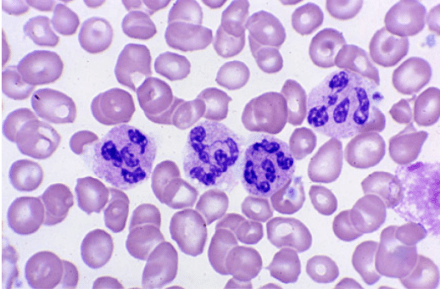
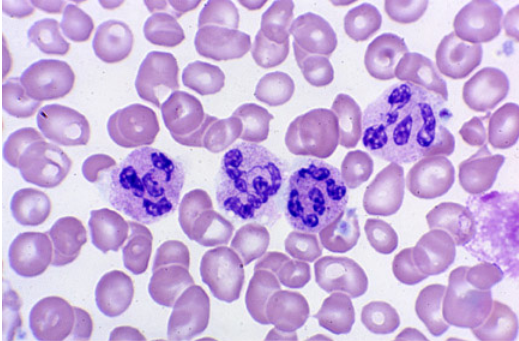
    • Hypersegmented neutrophils à Vitamin B12 or folate deficiency
    • Nucleated RBC
    • Siderocytes
    • Target cells à thalassemias
  • WBC and platelet count from CBC
  • If hemolysis is suspected:
    • ↑ Serum LDH, ↓ serum haptoglobin, and ↑ serum indirect bilirubin
    • Direct Coombs test (antibodies against RBC)
  • Bone marrow evaluation
Picture1

Schrier SL, et al. Approach to adults with anemia. In: Up To Date. Waltham, MA (Accessed 03/23/2016)

The Cottage Physician Management

Something new I thought I would bring to the PAINE Podcast.  As you all know, I am quite a fan of medicine and antiquity.  Shortly after I married my wife, her grandfather past away from a progressive esophageal cancer.  One of the things I was able to keep when helping clean out his house, was a copy of The Cottage Physician printed in 1893.  It was basically a handbook on how to treat common ailments of the time. I will try to add excerpts from this book when appropriate so you can have a sense of how medicine was practiced in the late 19th century.
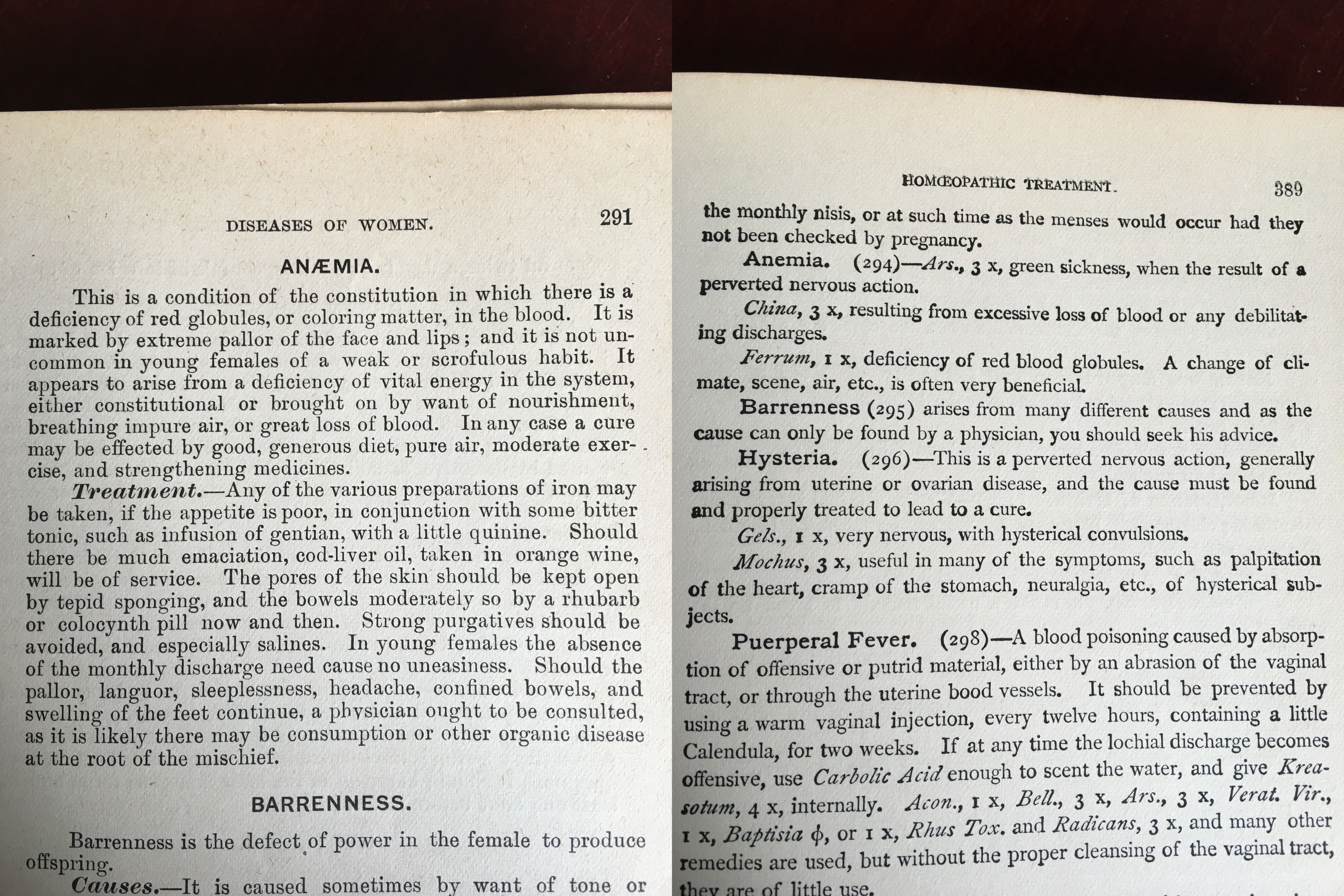
Cottage Physician - Anemia

The Cottage Physician. 1863

References

  1. Patel KV. Variability and heritability of hemoglobin concentration: An opportunity to improve understanding of anemia in older adults.  Haematologica.  2008;93(9):1281-1283.
  2. Beutler E, Waalen J. The definition of anemia: what is the lower limit of normal of the blood hemoglobin concentration?. Blood. 2006;107(5):1747-50.
  3. Shaskey DJ, Green GA. Sports haematology. Sports Med. 2000;29(1):27-38.
  4. Ruíz-argüelles GJ. Altitude above sea level as a variable for definition of anemia. Blood. 2006;108(6):2131.
  5. Nordenberg D, Yip R, Binkin NJ. The effect of cigarette smoking on hemoglobin levels and anemia screening. JAMA. 1990;264(12):1556-9.
  6. Hillman RS, Ault KA, Leporrier M, Rinder HM. Clinical Approach to Anemia.  In: Hematology in Clinical Practice.  5th McGraw-Hill. New York. 2010.
  7. Tefferi A. Anemia in adults: a contemporary approach to diagnosis. Mayo Clin Proc. 2003;78(10):1274-80.
  8. Nardone DA, Roth KM, Mazur DJ, Mcafee JH. Usefulness of physical examination in detecting the presence or absence of anemia. Arch Intern Med. 1990;150(1):201-4.
  9. Hung OL, Kwon NS, Cole AE, et al. Evaluation of the physician’s ability to recognize the presence or absence of anemia, fever, and jaundice. Acad Emerg Med. 2000;7(2):146-56.

Answer to Hematology/Oncology Case #1

Answer:

Check a methylmalonic acid level


This patient has had a history of gastric cancer with a partial gastrectomy and now presents with a fatigue and gait disturbances.  CBC reveals a macrocytic aneamia and peripheral smear shows multinucleated neutrophils.  The gait disturbances are most likely due to the progressive peripheral neuropathy.  This is most consistent with vitamin B12 deficiency.  Intrinsic factor, which is secreted by the parietal cells of the stomach, is required for vitamin B12 absorption in the terminal ileum.

Work-Up for Vitamin B12 Deficiency

Serum B12 Level

  • < 300 pg/dL is diagnostic

Metobolites

  • Methylmalonic acid
    • < 70 nanomol/L is diagnostic
  • Homocysteine
    • < 5 micromol/L is diagnostic

Possible additional testing in the setting of macrocytic anemia:

  • If pernicious anemia is suspected:
    • Anti-intrinsic factor antibodies
  • If folate deficiency is suspected:
    • Serum folate level
      • < 2 ng/mL is diagnostic
    • RBC folate level (reserved for indeterminate serum levels)
      • < 280 ng/mL is diagnostic

Treatment for B12 Deficiency

  • Intramuscular
    • 1mg daily x 7 days, then 1mg weekly for 4 weeks, then 1mg monthly
  • Oral
    • 1000-2000mg daily

References

  1. Antony AC. Megaloblastic anemias. In: Hematology: Basic principles and practice, 4th ed, Hoffman R, Benz EJ, Shattil SJ, et al. (Eds), Churchill Livingstone, New York 2005. p.519.
  2. Butler CC, Vidal-alaball J, Cannings-john R, et al. Oral vitamin B12 versus intramuscular vitamin B12 for vitamin B12 deficiency: a systematic review of randomized controlled trials. Fam Pract. 2006;23(3):279-85.

Hematology/Oncology Case #1

62-year-old male presents to primary provider’s office with a six-month history of fatigue and gait disturbance.  He denies recent falls, weakness, pain, paralysis, or dizziness.


Medications

Lisinopril 10mg daily

Metformin 1000mg BID

Men’s multivitamin

Fish oil


Past Medical History

Diabetes Mellitus II

Hypertension

Gastric cancer


Past Surgical History

Cholecystectomy – 1997

Partial gastrectomy – 2004


Vitals

BP-128/79, HR-81, RR-14, O2-100%, Temp-98.9o


Physical Exam

General – WN/WD, NAD

Skin – scattered senile purpura, no petechiae

CV – RRR without M/G/R

Pulmonary – CTA bilaterally without adventitial breath sounds

Neurologic – A&Ox3, 5/5 strength throughout bilaterally, DTR 2+ and equal, FROM, vibratory sensation decreased in bilateral lower extremities


Laboratory Studies
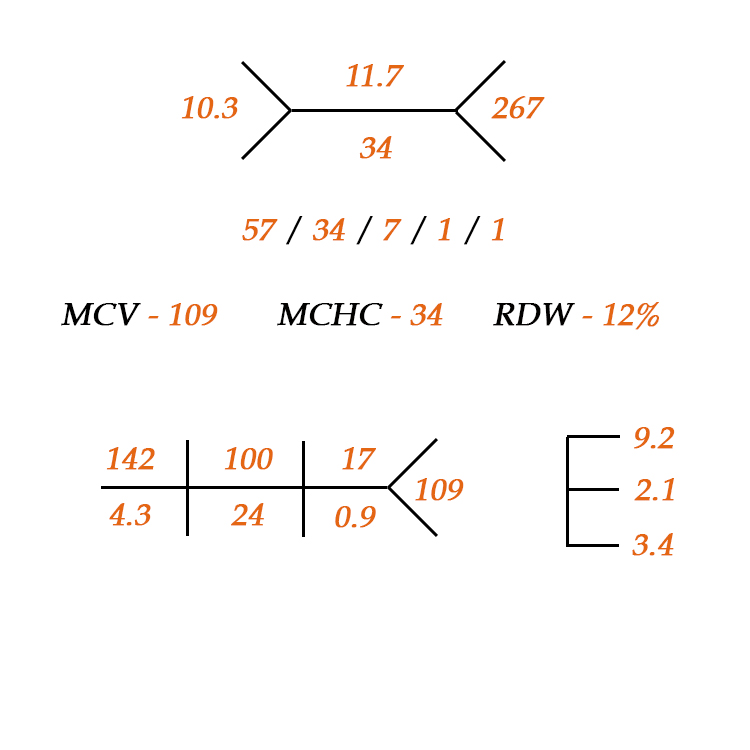
Case#1

Hypersegmented Neutrophils


#9 – The CBC Demystified


***Listen to the podcast here***


White Blood Cell Count

  • Normal range (4.0-11.0 x 10³ cells/mm3)
  • 2 Parts
    • Actual count of the number of leukocytes in one cubic millimeter of blood
    • Differential count (% of each of the 5 types of leukocytes)
  • < 4.0 x 10³ cells/mm3 = leukopenia
    • Bone marrow failure, blood malignancies, infections
  • > 11.0 x 10³ cells/mm3 = leukocytosis
    • Infections, inflammation, blood malignancies
  • Differential
    • Granulocytes
      • Neutrophils (45-73%)
        • Bands (3-5%)
        • “Left shift”
        • Absolute Neutrophil Count (ANC)
          • (%PMN + %Bands) x WBC / 100
          • < 1500 = neutropenia
      • Eosinophils (0-4%)
      • Basophils (0-1%)
    • Non-granulocytes
      • Lymphocytes (20-40%)
        • 3 Main Types
          • T-Cells = cell mediated immunity
          • B-Cells = humoral immunity (immunoglobulins)
          • Natural Killer Cells (NKC)
      • Monocytes (2-8%)

Never Let Monkeys Eat Bananas

Red Blood Cell Count

  • Actual count of RBC in one cubic millimeter of blood
    • Normal range
      • Male (4.5-5.9 x 10¹² cells/L)
      • Female (4.1-5.1 x 10¹² cells/L)
    • Reasons for gender differences in RBC markers
      • Blood loss from menstruation
      • Testosterone is hematapoetic
    • 2 main markers
      • Hemoglobin
        • Amount of Hgb contained in a given volume of blood
        • Normal Range
          • Male (14-17.5 g/dL)
          • Female (12.3-15.3 g/dL)
      • Hematocrit
        • % of total blood volume made up by RBC
        • Normal range
          • Male (42-50%)
          • Female (36-45%)
        • As a general rule of thumb, most agreed upon transfusion trigger is Hgb < 7.0 g/dL and/or Hct < 20%

Red Blood Indices

  • Essentially assess the size and hemoglobin content of the RBC and is useful in the evaluation of anemias, polycythemias, and nutritional deficiencies
  • Mean Corpuscular Volume (MCV)
    • Average size of the volume of RBC (Hct/RBC count)
    • Normal range (80-100 fL/cell)
      • < 80 = Microcytic
      • > 100 = Macrocytic
  • Mean Corpuscular Hemoglobin (MCH)
    • Average amount of hemoglobin within a RBC
    • Closely resembles MCV and of little clinical use
  • Mean Corpuscular Hemoglobin Concentration (MCHC)
    • Calculation of Hgb/Hct
    • Normal range (32-36 g/dL)
      • < 32 = hypochromic
      • > 36 = hyperchromic
  • Red Blood Cell Distribution Width (RDW)
    • Indication of RBC size variability (degree of anisocytosis)
    • Normal range (11-14%)
  • Reticulocyte Count
    • Measure of immature RBC in circulation
      • Evaluates bone marrow function and erythropoetic activity
    • Normal range (0.5-2.5%)
    • Reticulocyte Index
      • Measures whether this response is appropriate
      • Reticulocyte Count % x (Patient’s Hct/Normal Hct)
        • < 1.0 = poor response

Platelet Count

  • Actual count of thrombocytes in one cubic millimeter of blood
  • Normal range (150,000-450,000/µL)
  • Mean Platelet Volume (MPV)
    • Relationship between size and count
    • Immature platelets are larger
    • MPV is analogous to the MCV

Strategies for Quick Interpretation

  • If abnormal WBC:
    • Correlate with clinical picture
      • An abnormal number may be a normal response to illness or a marker of illness severity
    • Look at your differential
    • If leukopenic, then calculate ANC
  • If abnormal RBC:
    • Is your patient symptomatic?
    • Look at your indices
    • Calculate reticulocyte count for response
  • If abnormal platelet:
    • Is the patient bleeding?
Untitled-1

Fishbone diagram for CBC with differential

References

1) Pagana KD, Pagana TJ.  Mosby’s Manual of Diagnostic and Laboratory Tests.  5th ed.  St. Louis, MO. Elsevier. 2014.

2) Lee M.  Basic Skills in Interpreting Laboratory Data.  5th ed.  Bethesda, MD.  American Society of Health-Systems Pharmacists.  2013

3) Laposata M.  Laboratory Medicine: The Diagnosis of Disease in the Clinical Laboratory.  2nd ed.  New York, NY.  2014.