Ep-PAINE-nym


Rovsign’s Sign

Other Known Aliasesnone

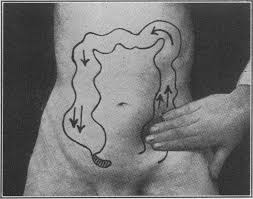
Definitionpalpation of the left lower quadrant causes perceived pain in the right lower quadrant
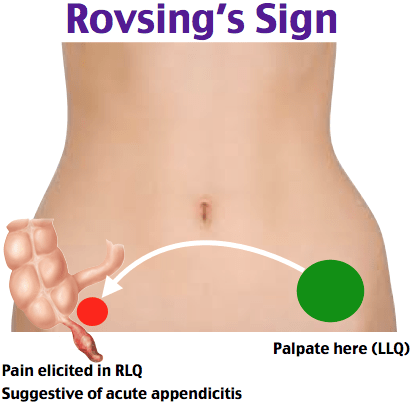
Clinical Significance A positive Rovsing’s sign is suggestive of appendicitis. There are two mechanisms that illicit this response. First, palpation of the left lower quadrant stretch the peritoneal lining over the appendix and causes pain. Second, deep palpation of descending colon in the left lower quadrant causes the gas present to stretch the lumen of the colon and appendix causing pain.

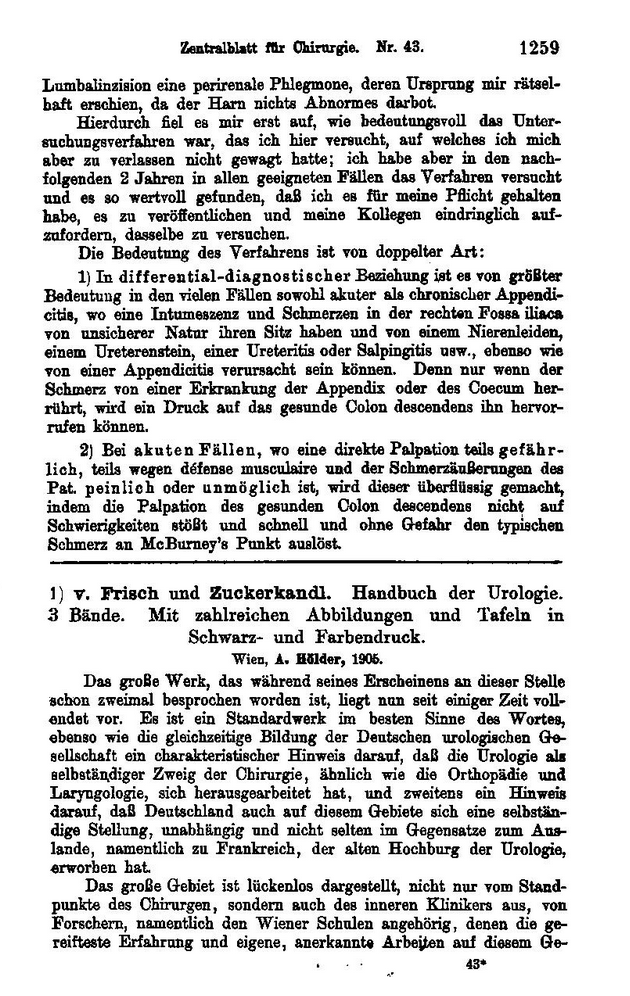
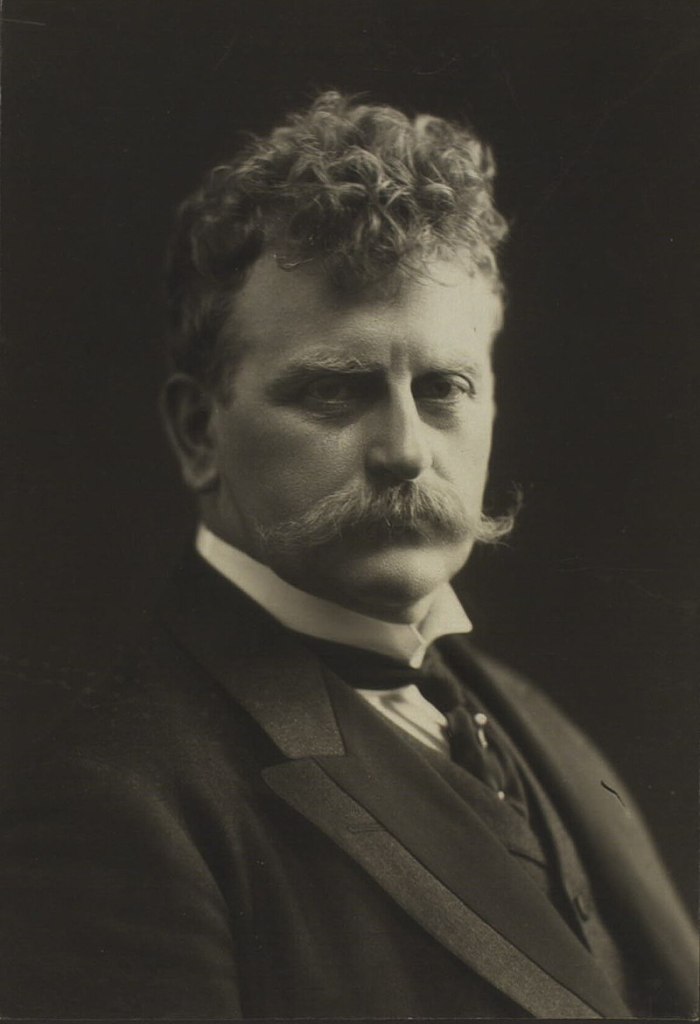
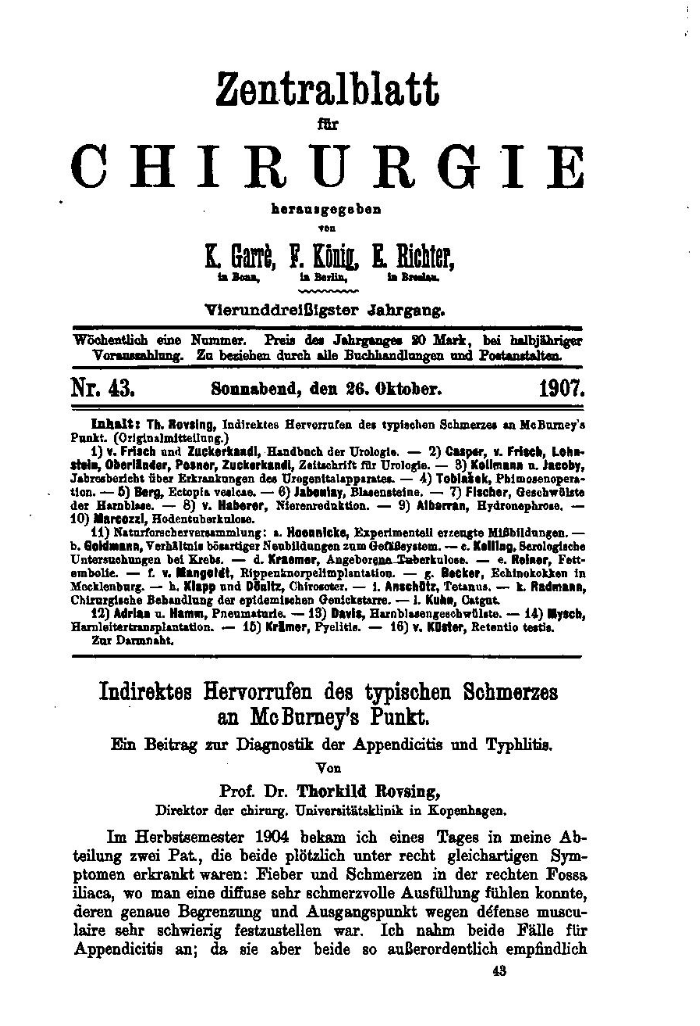
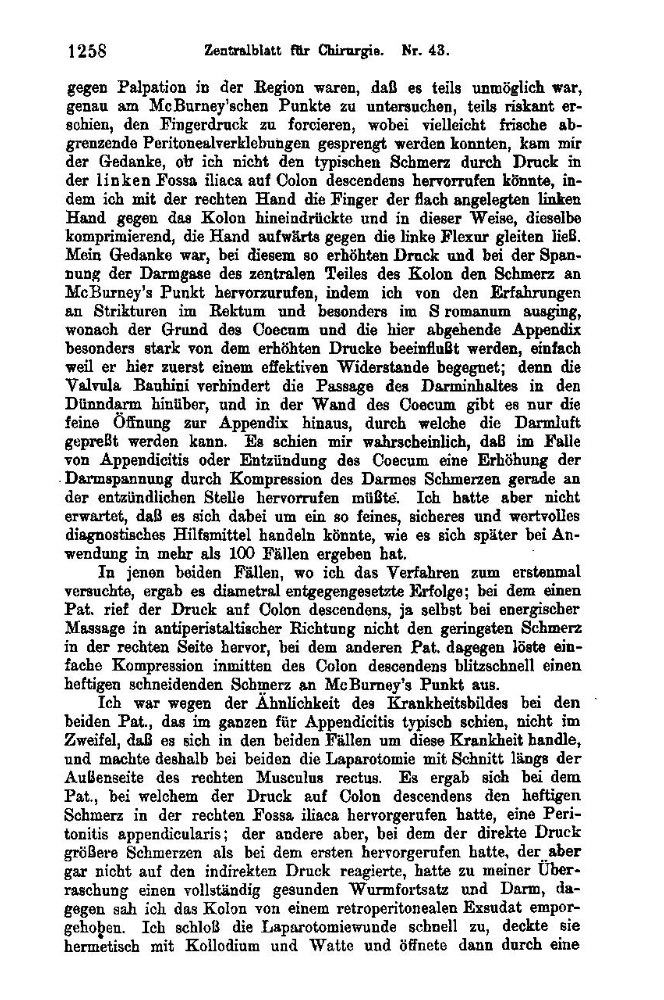
HistoryNamed after Niels Thorkild Rovsing (1862-1927), who was a Danish surgeon and received his medical doctorate from the University of Copenhagen in 1885. He went on to become professor of operative surgery there in 1899, as well as chief surgeon at Louise-Børnehospital and Red Cross Hospital. He was a huge advocate for better surgical accommodations for patients, even going so far as to commission his own private surgical nursing home to care for his postoperative patients. He was international recognized as an accomplished abdominal surgeon, writing extensively on these surgical diseases. He first published his findings of his eponymous exam finding in 1907 in an article entitled “Indirect cause of typical pain at McBurney’s point”.
He also has several other surgical eponyms attributed to him including:

  • Rovsing Operation I and II for horseshoe kidney
  • Rovsing Syndrome

References

  1. Firkin BG and Whitwirth JA.  Dictionary of Medical Eponyms. 2nd ed.  New York, NY; Parthenon Publishing Group. 1996.
  2. Bartolucci S, Forbis P.  Stedman’s Medical Eponyms.  2nd ed.  Baltimore, MD; LWW.  2005.
  3. Yee AJ, Pfiffner P. (2012).  Medical Eponyms (Version 1.4.2) [Mobile Application Software].  Retrieved http://itunes.apple.com.
  4. Whonamedit – dictionary of medical eponyms. http://www.whonamedit.com
  5. Up To Date. www.uptodate.com
  6. N. T. Rovsing. Indirektes Hervorrufen des typischen Schmerzes an McBurney’s Punkt. Ein Beitrag zur diagnostik der Appendicitis und Typhlitis. Zentralblatt für Chirurgie, Leipzig, 1907, 34: 1257-1259.

PAINE #PANCE Pearl – Endocrine


Question

47yo man presents to your clinic to establish care. He has a history of resistant hypertension, DMII, and sleep apnea. Vital signs are BP-159/101, HR-74, RR-16, O2-100%, and temp-98.9. Physical examination is also significant for multiple bruises on the lower extremities.

  1. What would be the next step in the diagnosis of this patient?
  2. What else would you need to order to determine the cause of this patient’s condition?


Answer

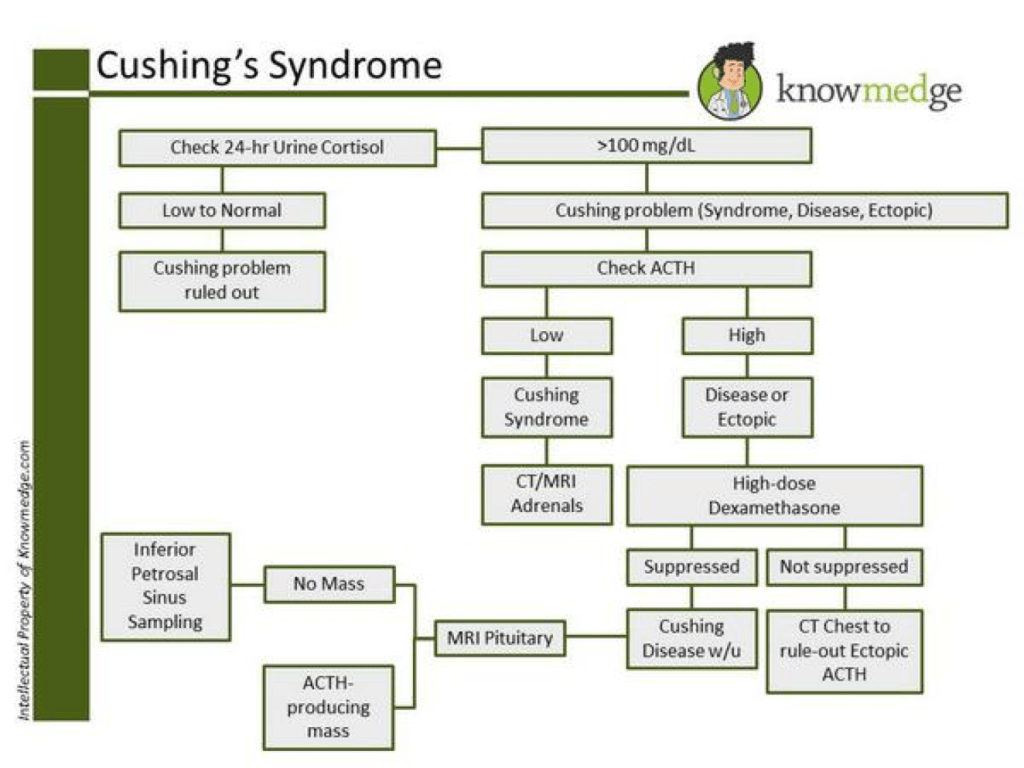
The initial SCREENING test of choice for Cushing Syndrome is a low-dose dexamethasone overnight suppression test. For this, 1mg dexamethasone is given around midnight and a serum cortisol is measured at 8am. A positive result is cortisol level of 1.8 mcg/dL.

The CONFIRMATORY test of choice for Cushing Syndrome is a 24-hour urinary cortisol excretion. A positive finding would be levels that are 3x the upper limit of normal for the assay used.

Once the diagnosis is made, the cause of the hypersecretion needs to be determined. For this, ordering a serum ACTH and high dose dexamethasone suppression test will help differentiate the various causes of the hypersecretion.


References

  1. Findling JW, Raff H, Aron DC. The low-dose dexamethasone suppression test: a reevaluation in patients with Cushing’s syndrome. The Journal of clinical endocrinology and metabolism. 2004; 89(3):1222-6. [pubmed]
  2. Dichek HL, Nieman LK, Oldfield EH, Pass HI, Malley JD, Cutler GB. A comparison of the standard high dose dexamethasone suppression test and the overnight 8-mg dexamethasone suppression test for the differential diagnosis of adrenocorticotropin-dependent Cushing’s syndrome. The Journal of clinical endocrinology and metabolism. 1994; 78(2):418-22. [pubmed]

Ep-PAINE-nym


Addison’s Disease

Other Known Aliasesprimary adrenal insufficiency

Definitionautoimmune destruction of the adrenal cortex that produces cortisol

Clinical Significance In times of physiologic stress, the adrenal glands are unable to produce and secrete cortisol, which is a key hormone in the “fight-or-flight” response.  If the stress is significant (trauma, surgery, hemorrhage, etc.), then the patient can not mount a compensatory response to this stress and can have life-threatening consequences.

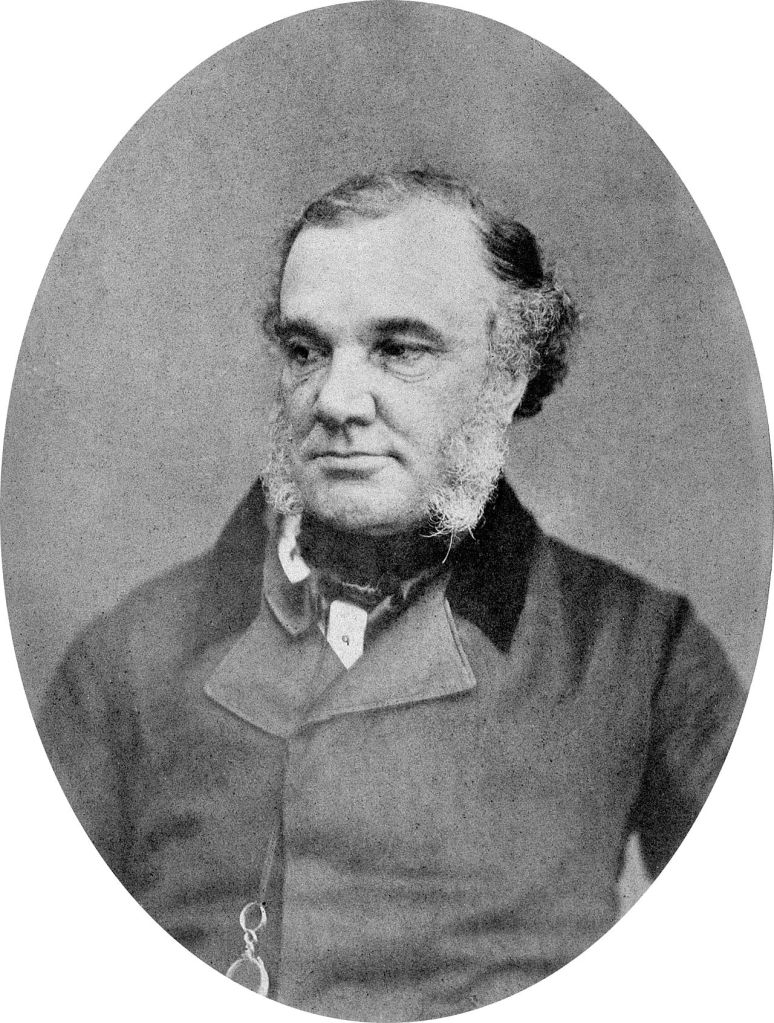
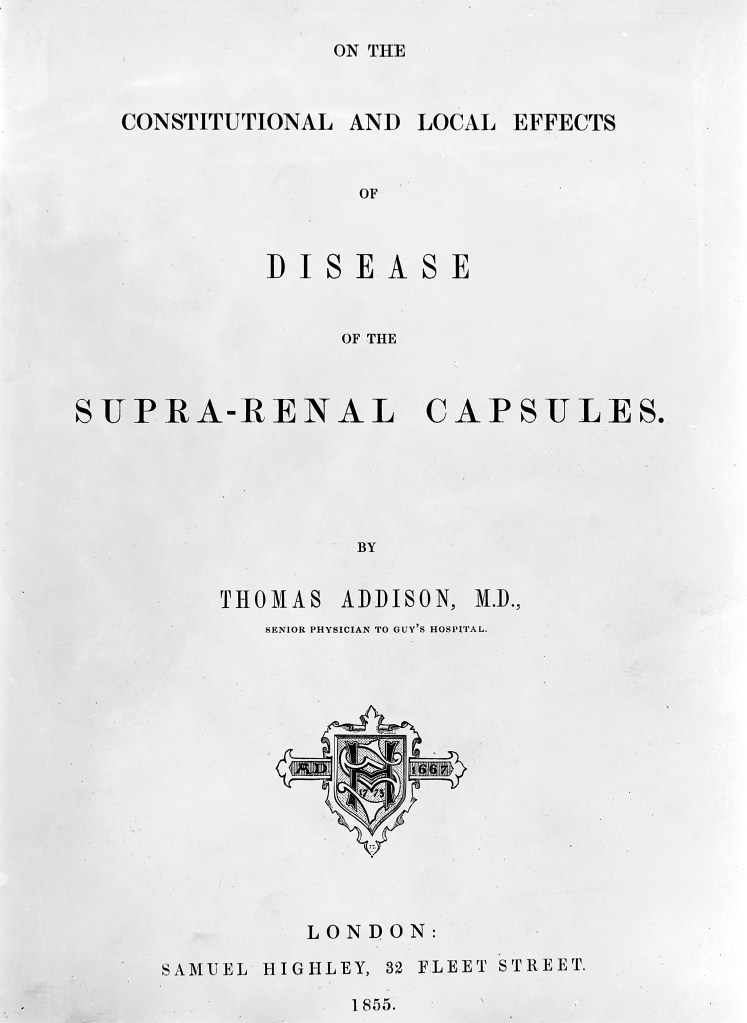
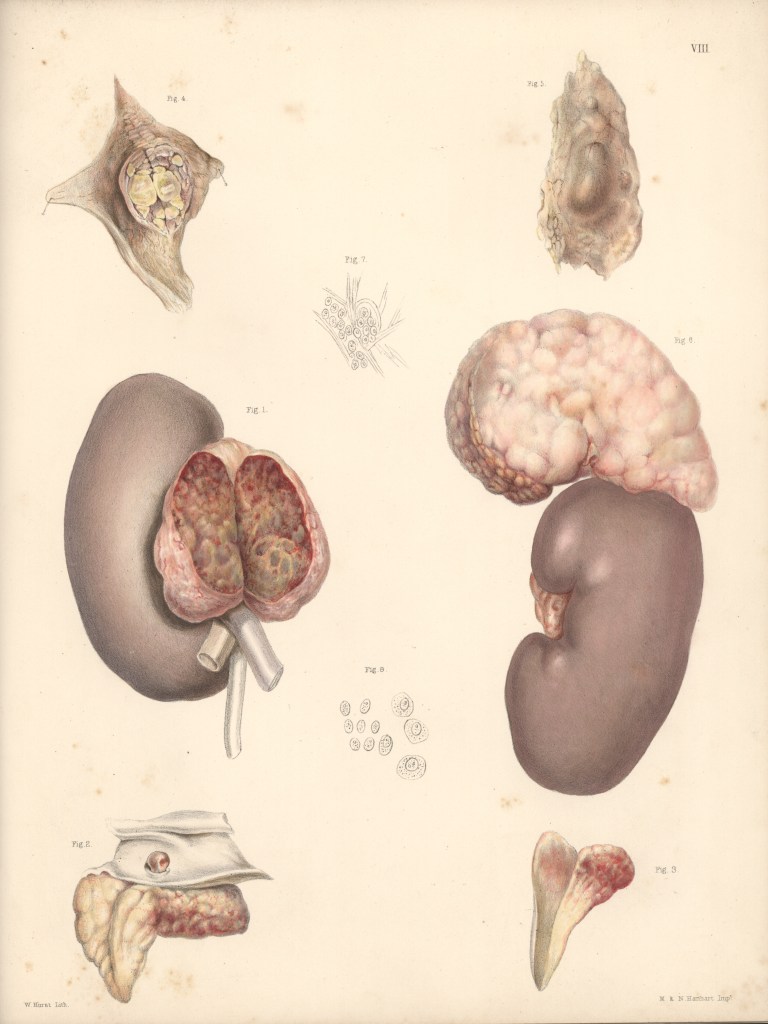
HistoryNamed after Thomas Addison (1793-1860), an English physician who received his medical doctorate from the University of Edinburgh Medical School in 1815. He was a house physician at Guy’s Hospital and established himself as a prolific teacher and lecturer, often attracting physicians from all over London. He first described his eponymous disease in a short note in the London Medical Gazette called “Anaemia – Disease of the Suprarenal Capsules”.  This was then followed up by the more well known article “On the Constitutional and Local Effects of Disease of the Suprarenal Capsule” in 1855, which is largely considered the beginning of the study of the adrenal glands.  The disease eponym was original given to Dr. Addison by the French physician, Armand Trousseau, after fierce debate among experts as to whether the disease actually existed.


References

  1. Firkin BG and Whitwirth JA.  Dictionary of Medical Eponyms. 2nd ed.  New York, NY; Parthenon Publishing Group. 1996.
  2. Bartolucci S, Forbis P.  Stedman’s Medical Eponyms.  2nd ed.  Baltimore, MD; LWW.  2005.
  3. Yee AJ, Pfiffner P. (2012).  Medical Eponyms (Version 1.4.2) [Mobile Application Software].  Retrieved http://itunes.apple.com.
  4. Whonamedit – dictionary of medical eponyms. http://www.whonamedit.com
  5. Up To Date. www.uptodate.com
  6. Pearce JM. Thomas Addison (1793-1860). Journal of the Royal Society of Medicine. 2004; 97(6):297-300. [pubmed]
  7. Addison T.  On the Constitutional and Local Effects of Disease of the Suprarenal Capsules.  1855.  London: Samuel Highley.

PAINE #PANCE Pearl – Endocrine


Question

47yo man presents to your clinic to establish care. He has a history of resistant hypertension, DMII, and sleep apnea. Vital signs are BP-159/101, HR-74, RR-16, O2-100%, and temp-98.9. Physical examination is also significant for multiple bruises on the lower extremities.

  1. What would be the next step in the diagnosis of this patient?
  2. What else would you need to order to determine the cause of this patient’s condition?

Ep-PAINE-nym


Cushing Disease/Syndrome

Other Known Aliaseshypercortisolism,

Definitionconstellation of signs and symptoms due to excessive cortisol. This can be caused by several different mechanism that affect the hypothalamus-pituitary-adrenal axis:

  • CRH secretion by hypothalamus
  • ACTH secretion by:
    • Anterior pituitary
    • Ectopic tumor
  • Cortisol secretion adrenal glands by:
    • Adrenal hyperplasia
    • Adrenal tumor
  • Exogenous administration of corticosteroids

Clinical Significance This is one of the more common endocrinologic pathologies you will see in clinical practice. Classic presentation includes obesity, abdominal striae, “moon face”, “buffalo hump”, and hirsutism. Diagnosis is made by obtaining a 24-hour urine cortisol measurement

HistoryNamed after Harvey Williams Cushing (1869-1939), who was an American surgeon and pioneering neurosurgeon of the early 20th century. He received his medical doctorate from Harvard Medical School in 1895. He completed his internship at Massachussets General Hospital and went on to do a surgical residency under William Halsted at John Hopkins Hospital. He trained under Kocher in England for several years before returning stateside and setting up practice in Baltimore. One of his greatest contributions to western medicine was his introduction of blood pressure management he learned from Scipione Riva-Rocci in Italy during his time in Europe.

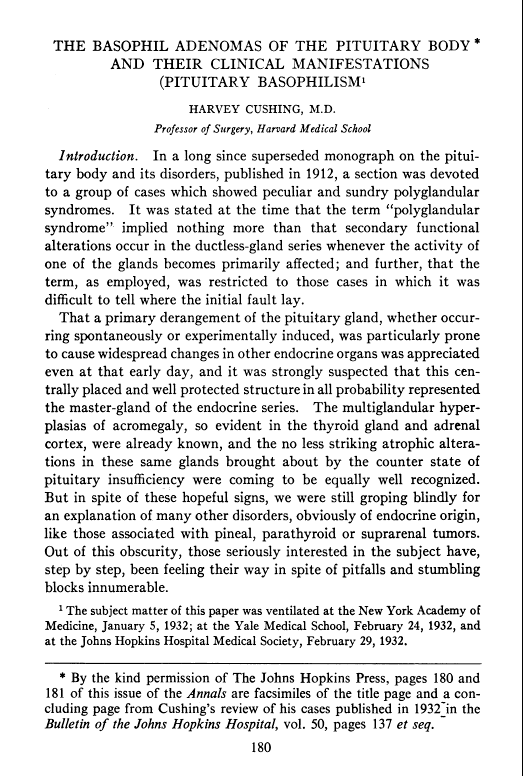
At the age of 32, he achieved associate professor at Johns Hopkins Hospital and was placed in full charge of all surgery of the central nervous system. In 1912, he first described what would become his eponymous disease, but before he could publish it, he was called to serve during the first world war as the director for a field hospital in France for the British. It was during this appointment that he cared for a fatally wounded soldier by the name of Lt. Edward Revere Osler, son of William Osler. He formally published his findings on his eponymous disease in 1932 in an article entitled “The Basophil Adenoma of the Pituitary Body and Their Clinical Manifestations: Pituitary Basophilism”.

During his career, he was regarded as the world’s leading teacher of neurosurgeons for in the first decades of the 20th century and held professorships at Johns Hopkins Hospital, Brigham Hospital in Boston, Harvard Medical School, Yale School of Medicine, as well as honorary Fellowship in the Royal College of Surgeons. He also was awarded the 1926 Pulitzer Prize for Biography for his biography on the life of William Osler and was nominated for the Nobel Prize in Physiology or Medicine 28 times.

Cushing (far left) with Osler (second from right) and Kelley (second from left). Johns Hopkins Hospital. 1900.

References

  1. Firkin BG and Whitwirth JA.  Dictionary of Medical Eponyms. 2nd ed.  New York, NY; Parthenon Publishing Group. 1996.
  2. Bartolucci S, Forbis P.  Stedman’s Medical Eponyms.  2nd ed.  Baltimore, MD; LWW.  2005.
  3. Yee AJ, Pfiffner P. (2012).  Medical Eponyms (Version 1.4.2) [Mobile Application Software].  Retrieved http://itunes.apple.com.
  4. Whonamedit – dictionary of medical eponyms. http://www.whonamedit.com
  5. Up To Date. www.uptodate.com
  6. http://doc1.med.yale.edu/historical/cushing/hopkins.html
  7. Hansson N, Schlich T. “Highly qualified loser”? Harvey Cushing and the Nobel Prize. Journal of neurosurgery. 2015; 122(4):976-9. [pubmed]
  8. Cushing H. The basophil adenomas of the pituitary body. Annals of the Royal College of Surgeons of England. 1969; 44(4):180-1. [pubmed]
  9. Starling PH. The case of Edward Revere Osler. Journal of the Royal Army Medical Corps. 2003; 149(1):27-9. [pubmed]
  10. Ellis H. Harvey Cushing: Cushing’s disease. Journal of perioperative practice. 2012; 22(9):298-9. [pubmed]

PAINE #PANCE Pearl – Renal


Question

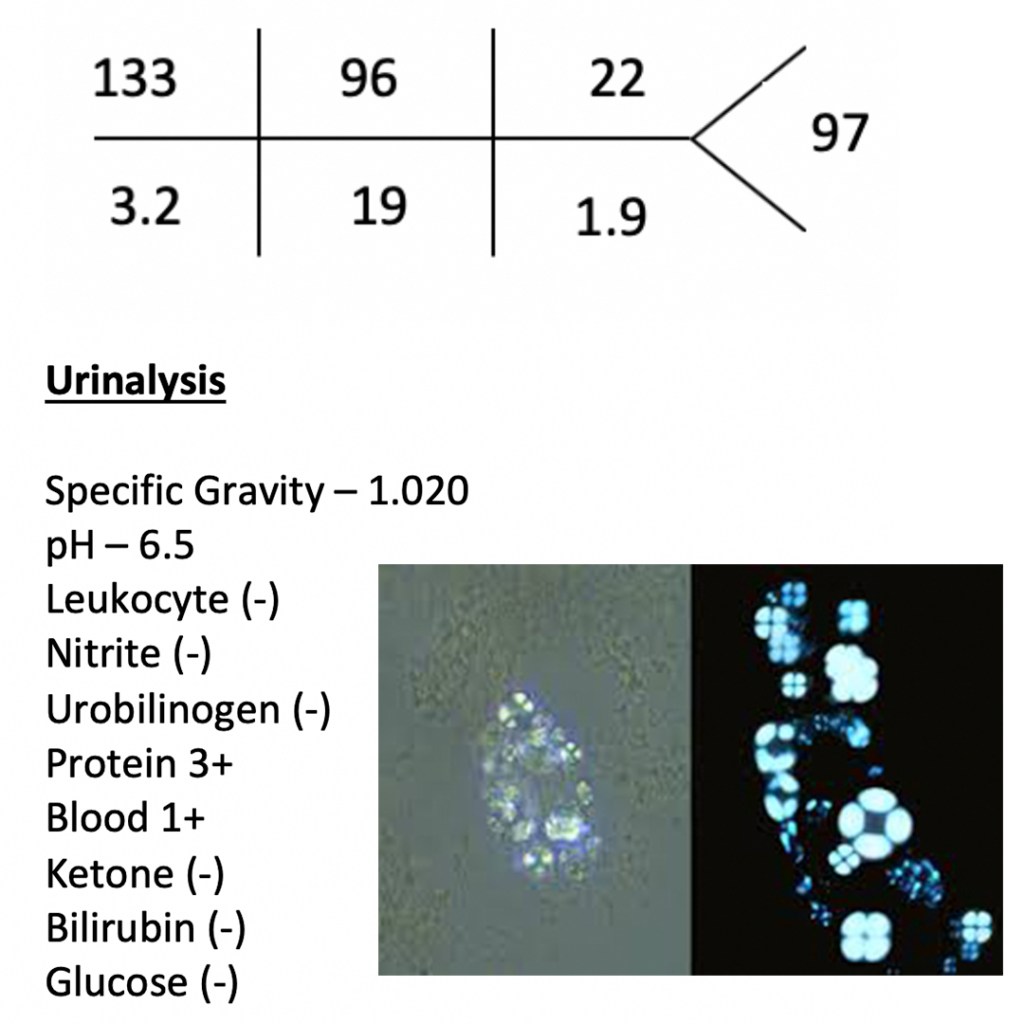
42yo woman, with a history systemic lupus erythematosus, presents to your clinic with a 1-month history of progressive leg swelling and polyuria. She is complaint with her medications and states that she hasn’t changed anything in her medical care. Physical examination reveals 2+ pitting edema to the knees in the lower extremities. BMP, UA, and urine microscopy are below.

  1. What is the next step in diagnosing this patient and what would you expect to find?


Answer

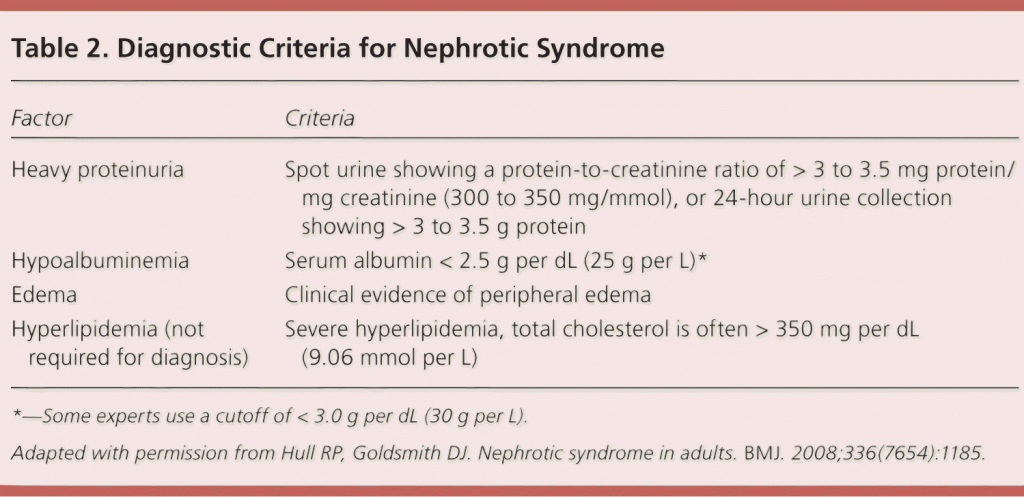
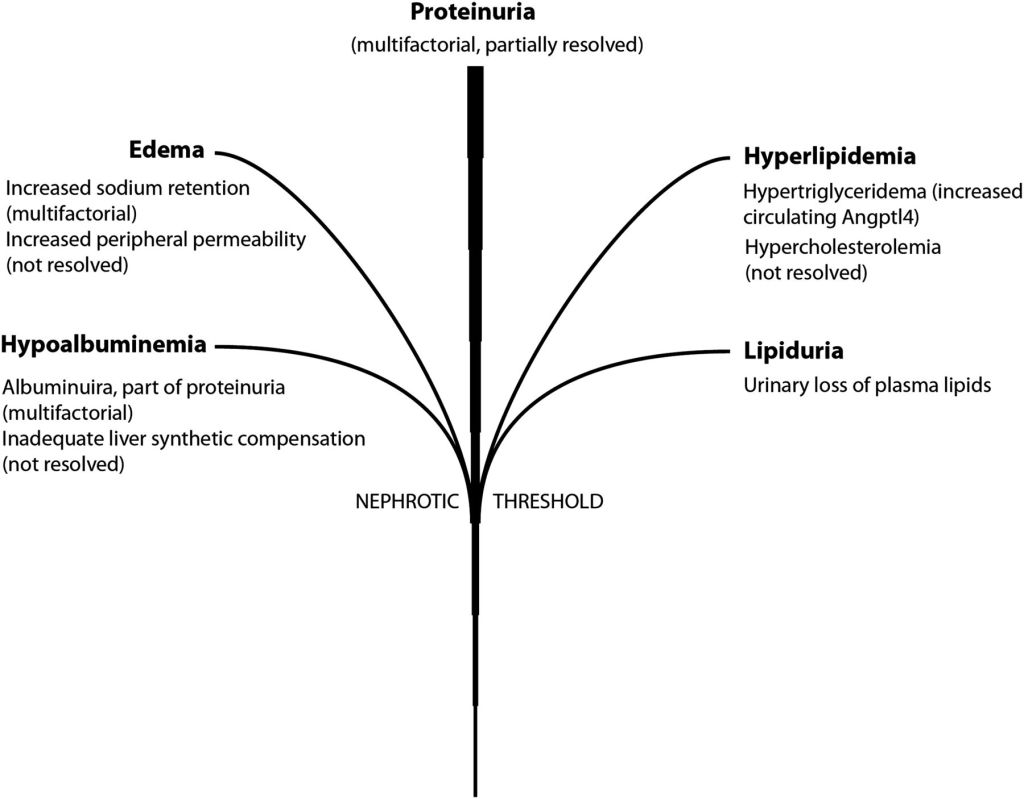
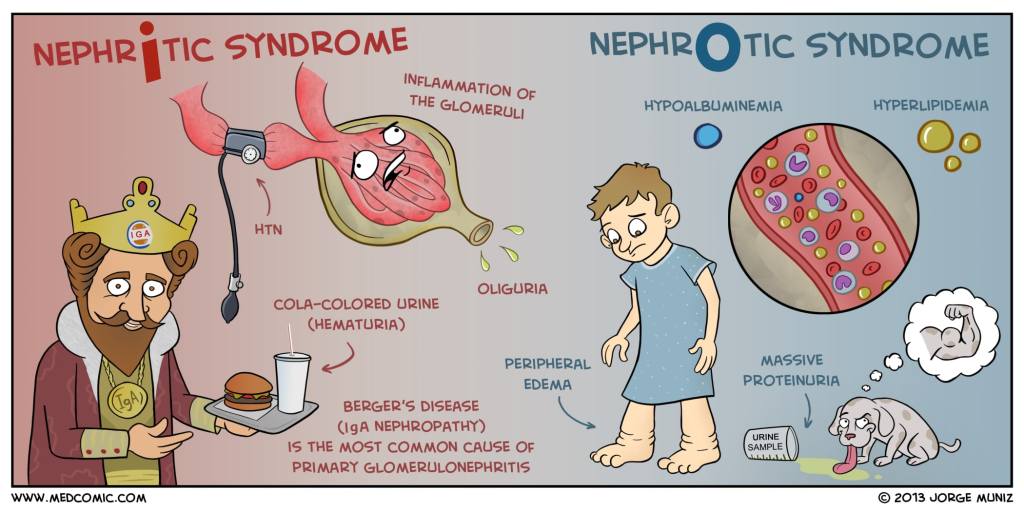
This patient found to heavy proteinuria on a urinalysis and oval fat bodies on urine microscopy, which would point to nephrotic syndrome as a diagnosis.

The next step in the diagnostic management of this patient would be to perform a 24-hour urine collection for urine protein. Normal urine protein excretion is < 150mg/day, but nephrotic range proteinuria is diagnostic at > 3.5g/day. Alternatively, a random urine protein-to-creatinine ratio of > 3.5 can be used, but is less reliable than a 24-hour collection.

Once a nephrotic syndrome diagnosis is made by urine studies, it should be followed up with a renal biopsy to determine the cause.

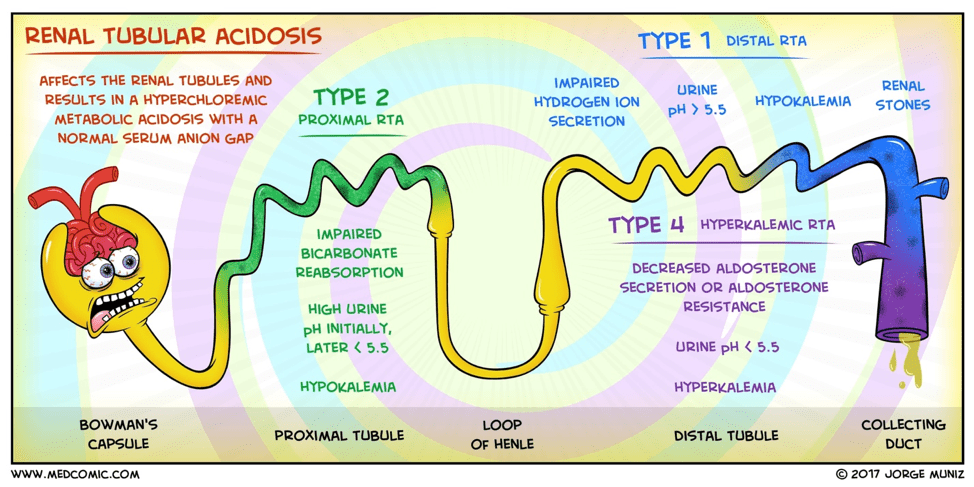
#51 – Renal Tubular Acidosis


***LISTEN TO THE PODCAST HERE***


Definition

  • Group of disorders that cause a metabolic acidosis due to defects in the renal tubules
    • Net retention of HCl
    • Net loss of NaHCO3

Pathophysiology

The kidney regulates acid-base balance two main ways:

  • Reabsorption of filtered HCO3
    • >80% of the bicarbonate filtered by the glomerulus is reabsorbed in the proximal renal tubules via Na-H exchange
  • Acid excretion
    • Collecting ducts of the nephron excrete hydrogen ions buffered by NH3 and PO3 (so the pH of the urine doesn’t destroy the nephron)
      • Extra production of NH3 is stimulated by intracellular acidosis.
  • 3 step process
    • Reabsorption of sodium to create a negative gradient in the tubular lumen
    • Excretion of hydrogen by H-K-ATPase and reabsorption of potassium
    • Prevention of hydrogen ions from diffusing back out of the tubular lumen

Initial Presentation

  • Patients diagnosed with an RTA must first be diagnosed with a metabolic acidosis
    • Decreased pH with decreased HCO3
  • After this is determined, the anion gap must be calculated and found to be normal
    • AG = Na – (Cl + HCO3) = 8-12

Differential for NAGMA

  • Ureteric diversion
  • Small bowel fistulae
  • Excessive saline
  • Diarrhea
  • Carbonic anhydrase inhibitors
  • Renal tubular acidosis
  • Adrenal insufficiency
  • Pancreatic fistulae

Type I (distal) RTA

  • Cause
    • Defect in the distal hydrogen ion excretion
  • Pathophysiology
    • Failure of the H-ATPase proton pump (most common cause)
      • Inability to acidify urine < 5.5
      • Hypokalemia
    • Increased hydrogen ion permeability of the luminal membrane

Type II (proximal) RTA

  • Cause
    • Defect in proximal bicarbonate reabsorption
  • Pathophysiology
    • Damage to the proximal tubule that leads to progressive bicarbonate wasting in the urine

Type IV (hypoaldosteronism)

  • Cause
    • Reductions in aldosterone secretion and responsiveness
  • Pathophysiology
    • Decreased rate of proton secretion rather than an intrinsic defect in the tubule’s capacity to generate normal pH gradient
    • Hyperkalemia causes reduced urine NH4, which in turns leads to more acidic urine
      • Hydrogen ions have nothing to bind to

Diagnostic Work-Up

  • RTAs should be considered in any patient with a normal anion gap metabolic acidosis
    • Need ABG and BMP
  • Once this determination is made:
    • Urine pH
      • > 5.5 in type I (distal)
      • < 5.5 in type II (proximal) and type IV
    • Urine ammonium
      • Elevated in type II (proximal)
      • Decreased in type I (distal) and type IV
      • Most labs can’t measure urine ammonium directly:
        • Urine Anion Gap (urine Na+K+Cl)
          • (+) UAG = > 20
            • Type I (distal) and type IV
          • (-) UAG = < – 20
            • Type II (proximal)
    • Serum potassium
      • Elevated in type IV
      • Decreased in type I and II

Treatment

  • Type I (distal)
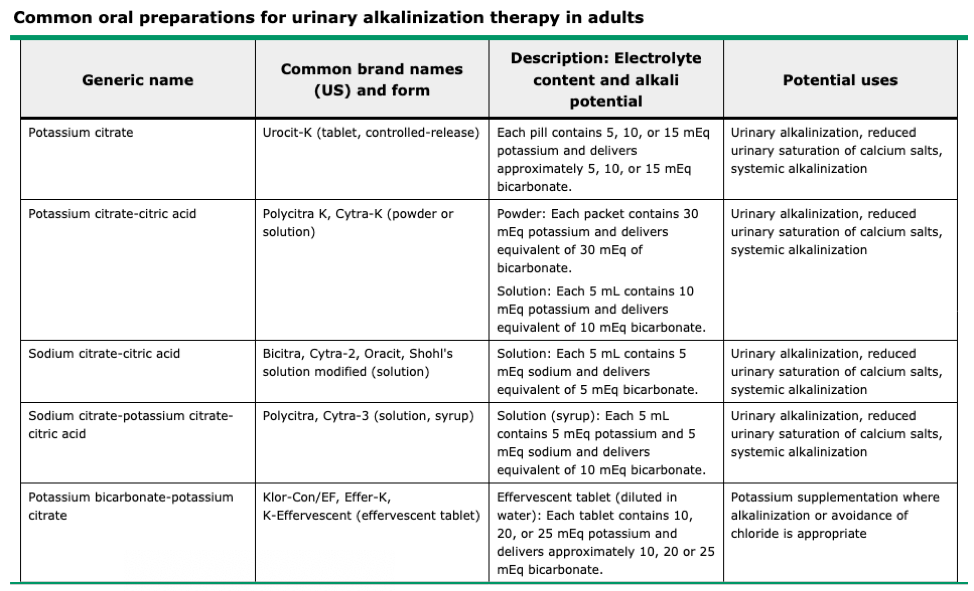
    • Urinarary Alkali Therapy
      • Sodium bicarbonate
        • Increased risk of nephrolithiasis due to bicarbonaturia
          • Use potassium citrate instead
  • Type II (proximal)
    • Much more difficult to treat due to the INCREASED bicarbonate diuresis during bicarbonate therapy
    • Alkali therapy (10x the dose for type I) AND potassium salt repletion as bicarbonaturia INCREASES urinary potassium losses
    • Thiazide diuretics if large alkali doses ineffective or not tolerated
      • Diuresis reduces urinary bicarbonate loss by increasing proximal sodium reabsorption
        • Which secondarily increased bicarbonate reabsorption
  • Type IV
    • Stop any medication causes or treat underlying condition (hypoaldosteronism)
      • Mineralcorticoid (fludrocortisone) and glucocorticoid (hydrocortisone)
    • Potassium repletion
Up-To-Date. 2019


References

  1. Rodríguez Soriano J. Renal tubular acidosis: the clinical entity. Journal of the American Society of Nephrology : JASN. 2002; 13(8):2160-70. [pubmed]
  2. Skelton LA, Boron WF, Zhou Y. Acid-base transport by the renal proximal tubule. Journal of nephrology. ; 23 Suppl 16:S4-18. [pubmed]
  3. Hamm LL, Nakhoul N, Hering-Smith KS. Acid-Base Homeostasis. Clinical journal of the American Society of Nephrology : CJASN. 2015; 10(12):2232-42. [pubmed]
  4. The Curbsiders.  Episode 104. https://thecurbsiders.com/internal-medicine-podcast/104-renal-tubular-acidosis-kidney-boy-joel-topf-md
  5. DB’s Medical Rants.  http://www.medrants.com/archives/8897
  6. Oh M, Carroll HJ. Value and determinants of urine anion gap. Nephron. 2002; 90(3):252-5. [pubmed]
  7. Rodríguez Soriano J. Renal tubular acidosis: the clinical entity. Journal of the American Society of Nephrology : JASN. 2002; 13(8):2160-70. [pubmed]
  8. Karet FE. Mechanisms in hyperkalemic renal tubular acidosis. Journal of the American Society of Nephrology : JASN. 2009; 20(2):251-4. [pubmed]

PAINE #PANCE Pearl – Renal


Question

42yo woman, with a history systemic lupus erythematosus, presents to your clinic with a 1-month history of progressive leg swelling and polyuria. She is complaint with her medications and states that she hasn’t changed anything in her medical care. Physical examination reveals 2+ pitting edema to the knees in the lower extremities. BMP, UA, and urine microscopy are below.

  1. What is the next step in diagnosing this patient and what would you expect to find?

Ep-PAINE-nym


Loop of Henle

Other Known Aliasesansa nephroni

Definitionportion of the nephron that goes from the proximal convoluted tubule to the distal convoluted tubule. There are four portions of this structure:

  • Thin descending segment
  • Thin ascending segment
  • Ascending limb
  • Cortical thick ascending limp

Clinical Significance the loop of Henle creates an area of high urea concentration with secretion and reabsorption of water and electrolytes. This is also the portion of the nephron where the aptly named “loop diuretics” to manage blood pressure by means of excess fluid excretion.

HistoryNamed after Friedrich Gustav Jakob Henle (1809-1885), who was a German physician, pathologist, and anatomist and received his medical doctorate from the University of Bonn in 1832. He spent his early career as a prosector for Johannes Müller in Berlin where he published furiously on numerous facets of human and animal anatomy and physiology. He then went on to become the chair of anatomy at the University of Zurich, where he became one of the early adopters and advocates for the study of pathophysiology as a single distinct discipline. He also set the early argument for the germ theory in an essay entitled “On Miasma and Contagia”. His life’s work culminated in the publishing of the Handbook of Systematic Human Anatomy in 1855, which was the most complete and comprehensive work at that time.


References

  1. Firkin BG and Whitwirth JA.  Dictionary of Medical Eponyms. 2nd ed.  New York, NY; Parthenon Publishing Group. 1996.
  2. Bartolucci S, Forbis P.  Stedman’s Medical Eponyms.  2nd ed.  Baltimore, MD; LWW.  2005.
  3. Yee AJ, Pfiffner P. (2012).  Medical Eponyms (Version 1.4.2) [Mobile Application Software].  Retrieved http://itunes.apple.com.
  4. Whonamedit – dictionary of medical eponyms. http://www.whonamedit.com
  5. Up To Date. www.uptodate.com

Ep-PAINE-nym


Jefferson Fracture

Other Known Aliasesnone

Definitionburst fracture of C1 that results in a multi-part fracture of the anterior and posterior arches.

Clinical Significance the most common mechanism of injury for Jefferson fractures is direct axial loading or hyperextension seen in diving injuries or falls. Most are unstable and require emergency stabilization via traction or halo placement while awaiting surgery.

HistoryNamed after Sir Geoffrey Jefferson (1886-1961), who was a British neurologist and pioneering neurosurgeon, and received his medical doctorate from the University of Manchester in 1909. He had prolific career as a pioneering neurosurgeon in Manchester throughout the 1920s-30s culminating in performing the first surgical embolectomy in England in 1925 and becoming the first professor of neurosurgery at the University of Manchester in 1939. He published the description of his eponymous injuries in 1920 describing a series of four cases of similar injuries. Side note: He was also an advocate for advancements in surgical science and gave a ground-breaking lecture at the Royal College of Surgeons in 1949 entitled “The Mind of the Mechanical Man”, where he discussed one of the earliest electronic computers at Manchester and laid the foundation for the debate on artificial intelligence.


References

  1. Firkin BG and Whitwirth JA.  Dictionary of Medical Eponyms. 2nd ed.  New York, NY; Parthenon Publishing Group. 1996.
  2. Bartolucci S, Forbis P.  Stedman’s Medical Eponyms.  2nd ed.  Baltimore, MD; LWW.  2005.
  3. Yee AJ, Pfiffner P. (2012).  Medical Eponyms (Version 1.4.2) [Mobile Application Software].  Retrieved http://itunes.apple.com.
  4. Whonamedit – dictionary of medical eponyms. http://www.whonamedit.com
  5. Up To Date. www.uptodate.com
  6. Sir Geoffrey Jefferson 1886-1961. JNS. 1961;18(3):407-408. [article]
  7. Jefferson G. Fracture of the atlas vertebra. Report of four cases, and a review of those previously recorded. BJS. 1919;7(27):407-422. [article]