Ep-PAINE-nym


Frégoli Delusion

Other Known Aliasesdelusion of doubles

Definitionmistaken belief that some person currently present in the deluded person’s environment (typically a stranger) is a familiar person in disguise.
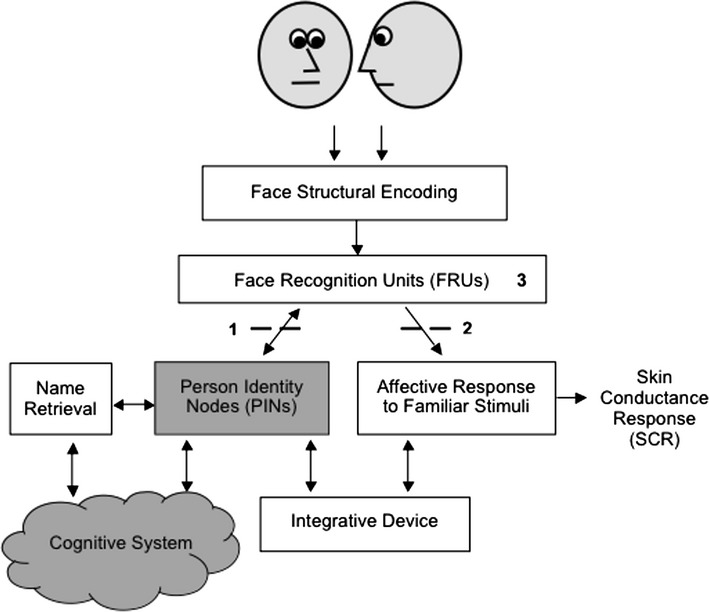
Clinical Significance to the patient, the stranger is believed to be psychologically identical to this known person (who is not present) even though the deluded person perceives the physical appearance of the stranger as being different from the known person’s typical appearance. There are 4 subtypes:

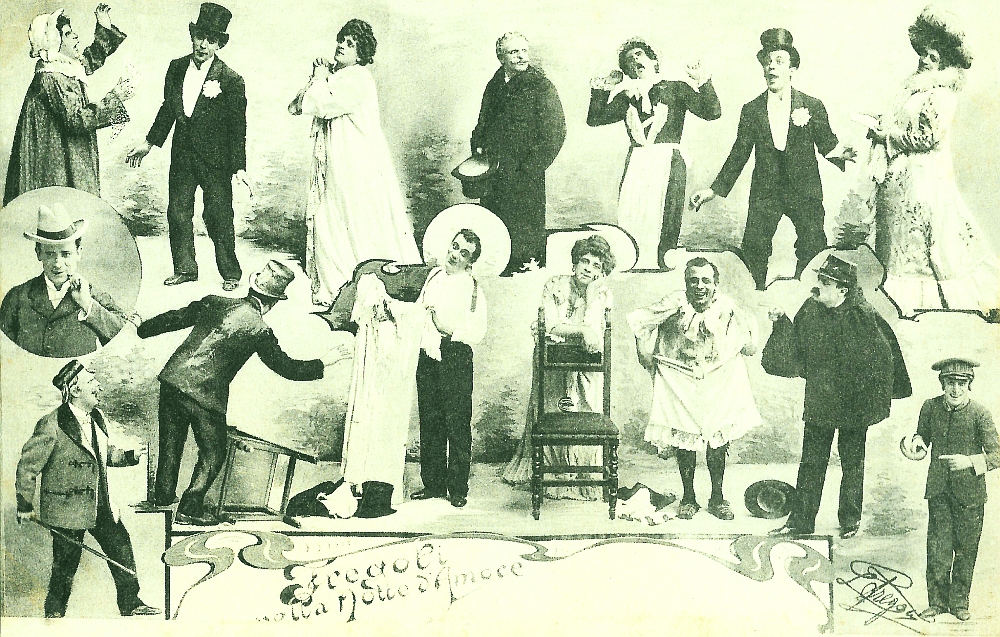
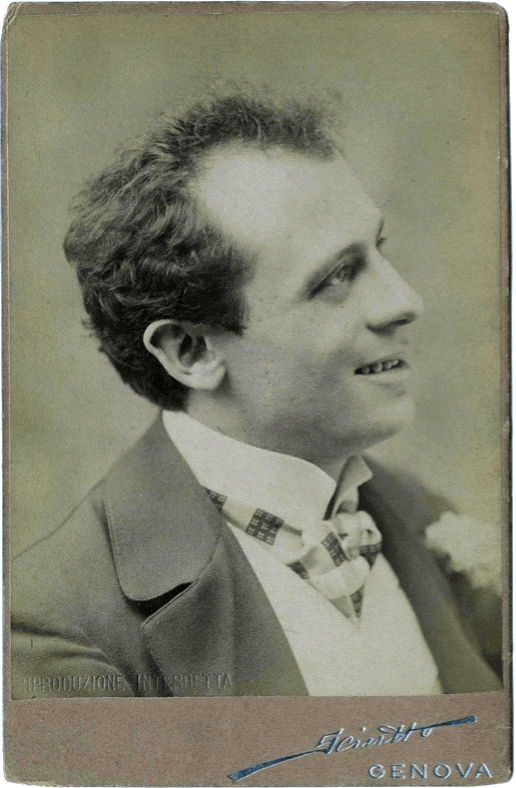
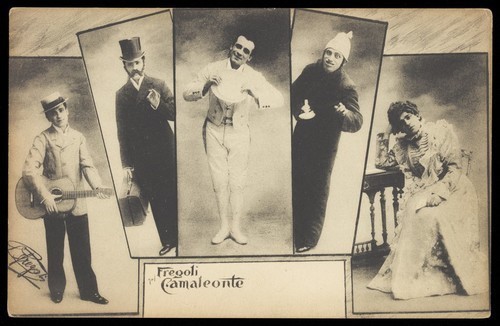
Historythis syndrome was first published in 1927 by Courbon and Fail who describe a case of a young woman who believed she was being pursued by two Parisian actresses in disguise. They named this delusional syndrome after Leopoldo Frégoli, who was an Italian stage actor with an extraordinary ability to impersonate and mimic others on stage.

References

  1. Firkin BG and Whitwirth JA.  Dictionary of Medical Eponyms. 2nd ed.  New York, NY; Parthenon Publishing Group. 1996.
  2. Bartolucci S, Forbis P.  Stedman’s Medical Eponyms.  2nd ed.  Baltimore, MD; LWW.  2005.
  3. Yee AJ, Pfiffner P. (2012).  Medical Eponyms (Version 1.4.2) [Mobile Application Software].  Retrieved http://itunes.apple.com.
  4. Whonamedit – dictionary of medical eponyms. http://www.whonamedit.com
  5. Up To Date. www.uptodate.com
  6. Langdon, R., Connaughton, E. and Coltheart, M. The Fregoli Delusion: A Disorder of Person Identification and Tracking. Top Cogn Sci. 2014;6:615-631.
  7. Courbon, P., & Fail, G. (1927). Syndrome d”‘illusion de Frégoli” et schizophrénie [Syndrome of the “illusion of Fregoli” and schizophrenia]. Bulletin de la Société Clinique de Médecine Mentale, 20, 121–125
#60 – Psychiatry Screening Tools


PAINE PANCE Postcard – Hand Foot Mouth Disease Physician Assistant IN Education (PAINE) Podcast

Short, quick review of PANCE topics with associated printable cards to include for your board review prep
  1. PAINE PANCE Postcard – Hand Foot Mouth Disease
  2. PAINE PANCE Postcard – TTP
  3. PAINE PANCE Postcard – Lead Poisoning
  4. PAINE PANCE Postcard – Postpartum Hemorrhage
  5. PAINE PANCE Postcard – Ovarian Torsion


Purpose Behind Screening

  • Many of the more common conditions in psychiatry are often “silent”
    • Meaning that it can be difficult to objectively diagnosis
    • Some patient also don’t like talking about their illness with other clinical staff
  • These screening tools can be given to any patient to complete without having to talk about it out loud and then reviewed by you to see if there needs to be any further discussion
  • Some of these (GAD-7, PHQ-9) can also be used to track changes in the scores during therapy or treatment to see how well it is working

Link to SAMHSA-HRSA Page for Screening Tools


Generalized Anxiety Disorder 7-item (GAD-7) Scale

  • Screening for anxiety
    • Newer validation studies actually show some applicability to panic disorders, social phobias, and PTSD
  • Developed in 2006
  • Validated in 2008 and 2013
  • Series of seven questions asking about symptoms over the past two weeks with four different grades for each question
  • Interpretation

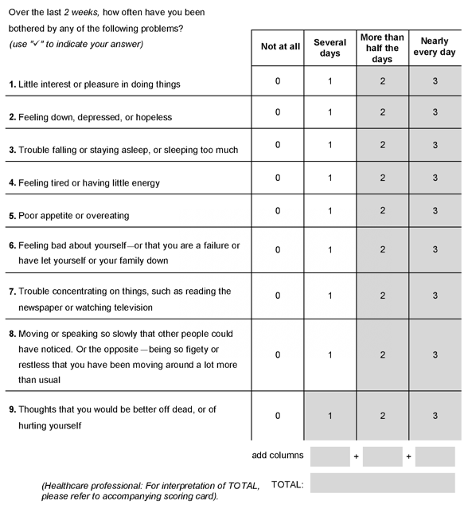
Patient Health Questionnaire Nine Item (PHQ-9) Scale

  • Screening for depression
  • Developed in 2001
  • Validated in 2010
  • Series of nine questions asking about symptoms over the past two weeks with four different grades for each question
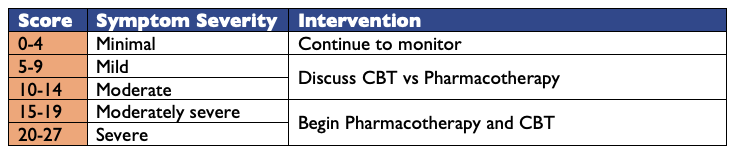
  • Interpretation
  • PHQ-2
    • Can be used as a brief screening tool using the first two questions from the PHQ-9
      • Sensitivity – 76% and Specificity – 87%

Columbia Suicide Severity Rating Scale (C-CSSR)

  • Screening for suicidal ideation and behavior
  • Developed in 2011
  • Validated in 2016
  • Series of six questions asking about suicidal thoughts and actions over the past month
  • Suicidal Behavior Question
    • No reported suicidal behavior
    • Actual attempt
    • Interrupted attempt
    • Aborted attempt or self-interrupted attempt
    • Preparatory acts or behavior
    • Suicide
  • Interpretation

Alcohol and Substance Misuse

CAGE-AID

  • Combined alcohol and illicit drug screening tool
  • Developed in 1995
  • Series of four questions with “yes/no” answers
  • Shorted to a two-item screening in 2001
    • “In the last year, have you ever drunk or used drugs more than you meant to?”
    • “Have you felt you wanted or needed to cut down on your drinking or drug use in the last year?”
      • Sensitivity and Specificity – 80%
      • Positive Likelihood Ratio – 1.93 (yes to one) and 8.77 (yes to both)

Alcohol Use Disorder Identification Test (AUDIT)

  • Screening for alcohol only
  • Developed by WHO in 1998, but updated in 2001
  • Series of ten items asking about alcohol consumption with five grading categories
  • Interpretation
    • > 90% sensitivity and specificity for unhealthy alcohol use with a score of ≥ 8
  • AUDIT-C
    • Uses the first three questions only (uses 6 or more drinks)
    • Men
      • 86% sensitivity and 89% specificity with a score of ≥ 4
    • Women
      • 73% sensitivity and 91% specificity with a score of ≥ 3

Drug Abuse Screening Test (DAST-10)

  • Screening for illegal drugs only
  • Developed in 1982
    • Originally 20 items, but condensed to 10
  • Simplified to a single item in 2010
  • Series of ten questions asking about illegal/illicit drug use over the past 12 months with “yes/no” responses
  • Interpretation
    • Score of ≥ 3 suggests drug use with adverse consequences
    • Single Item
      • “How many times in the past year have you used an illegal drug or used a prescription medication for non-medical reasons?”
      • Yes has a 100% sensitivity and 74% specificity for drug-use disorder and a 93% sensitivity and 94% specificity for past-year drug use

Intimate Partner Violence

  • Think of your standard framing statement prior to jumping right into these scoring systems
    • Massachusetts Medical Society Committee on Violence suggests:
      • “Violence can be a problem in many people’s lives, so I now ask every patient about trauma or abuse they may have experienced in a relationship.”
      • “Many patients I see are coping with an abusive relationship, so I’ve started asking about intimate partner violence routinely.”
      • “When people have the symptom you are experiencing, and the approaches you’ve tried don’t make it better, I wonder if they could have been hurt at some point in their life. Has anything like this ever happened to you?”

Humiliation, Afraid, Rape, Kick (HARK)

  • Developed in 2007
  • 4 questions asking about experiences over the last 12 months
    • Humiliated or emotionally abused in other ways by your partner or your ex-partner?
    • Afraid of your partner or ex-partner?
    • Raped or forced to have any kind of sexual activity by your partner or ex-partner?
    • Kicked, hit, slapped or otherwise physically hurt by your partner or ex-partner?
  • Interpretation
    • If answered yes to any of the questions:
      • 81% sensitivity, 95% specificity, 83% PPV, 94% NPV, and 16 positive likelihood ratio

Hurt, Insult, Threaten, Scream (HITS) Scale

  • Developed in 1998
  • 4 questions graded on a five-point scale of frequency
  • Interpretation
    • Score of ≥ 10 indicates likely victimization
      • 91% sensitivity

Woman Abuse Screening Tool (WAST)

  • Developed in 2000
  • 8 questions that assess physical and emotional IPV with a 3 point graded response based on frequency
  • Interpretation
    • WAST-SF (short form) is the first two questions
      • If both “no”, then stop
      • If either “a lot of tension” or “great difficulty”, then proceed with the rest of the WAST


References

  1. Spitzer RL, Kroenke K, Williams JB, Löwe B. A brief measure for assessing generalized anxiety disorder: the GAD-7. Archives of internal medicine. 2006; 166(10):1092-7. [pubmed]
  2. Löwe B, Decker O, Müller S, et al. Validation and standardization of the Generalized Anxiety Disorder Screener (GAD-7) in the general population. Medical care. 2008; 46(3):266-74. [pubmed]
  3. Kertz S, Bigda-Peyton J, Bjorgvinsson T. Validity of the Generalized Anxiety Disorder-7 scale in an acute psychiatric sample. Clinical psychology & psychotherapy. ; 20(5):456-64. [pubmed]
  4. Hunot V, Churchill R, Silva de lima M, Teixeira V. Psychological therapies for generalised anxiety disorder. Cochrane Database Syst Rev. 2007;(1):CD001848. [pubmed]
  5. Hendriks GJ, Oude voshaar RC, Keijsers GP, Hoogduin CA, Van balkom AJ. Cognitive-behavioural therapy for late-life anxiety disorders: a systematic review and meta-analysis. Acta Psychiatr Scand. 2008;117(6):403-11. [pubmed]
  6. Kroenke K, Spitzer RL, Williams JB. The PHQ-9: validity of a brief depression severity measure. J Gen Intern Med. 2001;16(9):606-13. [pubmed]
  7. Arroll B, Goodyear-smith F, Crengle S, et al. Validation of PHQ-2 and PHQ-9 to screen for major depression in the primary care population. Ann Fam Med. 2010;8(4):348-53. [pubmed]
  8. Manea L, Gilbody S, Hewitt C, et al. Identifying depression with the PHQ-2: A diagnostic meta-analysis. J Affect Disord. 2016;203:382-395. [pubmed]
  9. Posner K, Brown GK, Stanley B, et al. The Columbia-Suicide Severity Rating Scale: initial validity and internal consistency findings from three multisite studies with adolescents and adults. Am J Psychiatry. 2011;168(12):1266-77. [pubmed]
  10. Madan A, Frueh BC, Allen JG, et al. Psychometric Reevaluation of the Columbia-Suicide Severity Rating Scale: Findings From a Prospective, Inpatient Cohort of Severely Mentally Ill Adults. J Clin Psychiatry. 2016;77(7):e867-73. [pubmed]
  11. Brown RL, Rounds LA. Conjoint screening questionnaires for alcohol and other drug abuse: criterion validity in a primary care practice. Wis Med J. 1995;94(3):135-40. [pubmed]
  12. Brown RL, Leonard T, Saunders LA, Papasouliotis O. A two-item conjoint screen for alcohol and other drug problems. J Am Board Fam Pract. 2001;14(2):95-106. [pubmed]
  13. Bush K, Kivlahan DR, Mcdonell MB, Fihn SD, Bradley KA. The AUDIT alcohol consumption questions (AUDIT-C): an effective brief screening test for problem drinking. Ambulatory Care Quality Improvement Project (ACQUIP). Alcohol Use Disorders Identification Test. Arch Intern Med. 1998;158(16):1789-95. [pubmed]
  14. Babor TF, Higgins-Biddle JC, Saunders JB, Monteiro M. The Alcohol Use Disorders Identification Test: Guidelines for Use in primary Care. Geneva: World Health Organization, 2001, 2nd Edition. [link]
  15. Skinner HA. The drug abuse screening test. Addict Behav. 1982;7(4):363-71. [pubmed]
  16. Smith PC, Schmidt SM, Allensworth-davies D, Saitz R. A single-question screening test for drug use in primary care. Arch Intern Med. 2010;170(13):1155-6. [pubmed]
  17. Intimate Partner Violence. Massachusetts Medical Society Committee on Violence Intervention and Prevention. 5th Edition. http://www.massmed.org/AM/Template.cfm?Section=Home6&CONTENTID=36015&TEMPLATE=/CM/ContentDisplay.cfm  (Accessed on August 08, 2012).
  18. USPSTF 2018 Recommendation Statement on Screening for Intimate Partner Violence, Elder Abuse, and Abuse of Vulnerable Adults. https://www.uspreventiveservicestaskforce.org/uspstf/recommendation/intimate-partner-violence-and-abuse-of-elderly-and-vulnerable-adults-screening
  19. Sohal H, Eldridge S, Feder G. The sensitivity and specificity of four questions (HARK) to identify intimate partner violence: a diagnostic accuracy study in general practice. BMC Fam Pract. 2007;8:49. [pubmed]
  20. Sherin KM, Sinacore JM, Li XQ, Zitter RE, Shakil A. HITS: a short domestic violence screening tool for use in a family practice setting. Fam Med. 1998;30(7):508-12. [pubmed]
  21. Brown JB, Lent B, Schmidt G, Sas G. Application of the Woman Abuse Screening Tool (WAST) and WAST-short in the family practice setting. J Fam Pract. 2000;49(10):896-903. [pubmed]

PAINE #PANCE Pearl – Psychiatry


Question

A 20yo man, with no significant past medical history, is brought in by his parents for evaluation of concerning behaviors. They state he often feels he “needs” to arrange the items in his room in a certain way and becomes very agitated if they are moved. He also must make sure that there is no dirt on his shoes before he walks in his room and is meticulous in his cleaning endeavors every day. His parents are worried about his level of functioning and ability to move out and maintain his own apartment. He denies any thoughts of self-harm, homicidal ideations, or audio-visual hallucinations. On physical examination, he seems composed, non-distracted, and answers all questions appropriately. When asked about these behaviors, he recognizes that they are a problem, but states he can’t relax and has severe anxiety unless these are taken care of.

  1. What is the most likely diagnosis based on this presentation?
  2. What criteria must be met per the DSM-V for diagnosis?


Answer

The most likely diagnosis is obsessive compulsive disorder and is defined by the DSM-V using the below criteria:

A. Presence of obsessions, compulsions, or both

  • Obsessions as defined by:
    • Recurrent and persistent thoughts, urges, or images that are experienced, at some time during the disturbance, as intrusive and unwanted, and that in most individuals cause marked anxiety or distress.
    • The individual attempts to ignore or suppress such thoughts, urges, or images, or to neutralize them with some other thought or action (ie, by performing a compulsion).
  • Compulsions as defined by:
    • Repetitive behaviors (eg, hand washing, ordering, checking) or mental acts (eg, praying, counting, repeating words silently) that the individual feels driven to perform in response to an obsession, or according to rules that must be applied rigidly.
    • The behaviors or mental acts are aimed at preventing or reducing anxiety or distress or preventing some dreaded event or situation; however, these behaviors or mental acts either are not connected in a realistic way with what they are designed to neutralize or prevent, or are clearly excessive.

B. The obsessions or compulsions are time-consuming (eg, take more than one hour per day) or cause clinically significant distress or impairment in social, occupational, or other important areas of functioning.

C. The obsessive-compulsive symptoms are not attributable to the physiological effects of a substance (eg, a drug of abuse, a medication) or another medical condition.

D. The disturbance is not better explained by the symptoms of another mental disorder.

DSM-V Specifiers

  • Patient’s degree of insight into the illness
    • With good or fair insight
      • The individual recognizes that obsessive-compulsive disorder beliefs are definitely or probably not true or that they may or may not be true.
    • With poor insight
      • The individual thinks obsessive-compulsive disorder beliefs are probably true.
    • With absent insight/delusional beliefs
      • The individual is completely convinced that obsessive-compulsive disorder beliefs are true.
  • Tic-Related – The individual has a current or past history of a tic disorder.

Ep-PAINE-nym


Charles Bonnet Syndrome

Other Known Aliasesvisual release hallucinations

Definitionsymptoms of visual hallucinations that occur in patients with visual loss

Clinical Significance these release hallucinations can be simple, non-formed images (such as lines, flashes, shapes, etc.) or the can be formed images (such as people, animals, scenes, etc.). These patients can often be missed diagnosed as psychosis or early dementia. Diagnosis is made in the absence of other psychiatric illness or other causes of hallucinations.

HistoryNamed after Charles Bonnet (1720-1793), who was a Genevan naturalist who was a lawyer by trade, but fascinated by the natural sciences. He spent the majority of career observing and studying insects, germ theory, and philosophy. He described the eponym that bears his name in 1760 in his book “Essai analytique sur les facultés de l’âme“, where he described the hallucinations of his 87yo grandfather who was nearly blind from cataracts


References

  1. Firkin BG and Whitwirth JA.  Dictionary of Medical Eponyms. 2nd ed.  New York, NY; Parthenon Publishing Group. 1996.
  2. Bartolucci S, Forbis P.  Stedman’s Medical Eponyms.  2nd ed.  Baltimore, MD; LWW.  2005.
  3. Yee AJ, Pfiffner P. (2012).  Medical Eponyms (Version 1.4.2) [Mobile Application Software].  Retrieved http://itunes.apple.com.
  4. Whonamedit – dictionary of medical eponyms. http://www.whonamedit.com
  5. Up To Date. www.uptodate.com
  6. Bonnet Charles (1760) Essai Analytique sur les facultés de l’âme. Copenhagen: Philibert, pp 426–428

PAINE #PANCE Pearl – Psychiatry


Question

A 20yo man, with no significant past medical history, is brought in by his parents for evaluation of concerning behaviors. They state he often feels he “needs” to arrange the items in his room in a certain way and becomes very agitated if they are moved. He also must make sure that there is no dirt on his shoes before he walks in his room and is meticulous in his cleaning endeavors every day. His parents are worried about his level of functioning and ability to move out and maintain his own apartment. He denies any thoughts of self-harm, homicidal ideations, or audio-visual hallucinations. On physical examination, he seems composed, non-distracted, and answers all questions appropriately. When asked about these behaviors, he recognizes that they are a problem, but states he can’t relax and has severe anxiety unless these are taken care of.

  1. What is the most likely diagnosis based on this presentation?
  2. What criteria must be met per the DSM-V for diagnosis?

Ep-PAINE-nym


Wernicke’s Aphasia

Other Known Aliasesreceptive aphasia

Definitiondifficulty in understanding written or spoken language, but demonstrate fluent speech that lacks meaning

Clinical Significance this condition manifests due to damage to Wernicke’s area of the brain in Brodmann area 22. This region is located in the posterior section of the superior temporal gyrus of the dominant hemisphere.

HistoryNamed after Karl Wernicke (1848-1905), who was a German physician, anatomist, and neuropathologist and received his medical doctorate from the University of Breslau in 1870. He went on to study under Ostrid Foerster and Theodor Maynert after serving as an army surgeon during the Franco-Prussian War and had a modest career in both private and academic practice, culminating as head of the University Hospital’s Department of Neurology and Psychiatry at Breslau. A proponent of the same cerebral localization theory as Broca, he described his theory of “sensory aphasia” being different from Broca’s “motor phasia” in his book Der Aphasische Symptomencomplex in 1874.


References

  1. Firkin BG and Whitwirth JA.  Dictionary of Medical Eponyms. 2nd ed.  New York, NY; Parthenon Publishing Group. 1996.
  2. Bartolucci S, Forbis P.  Stedman’s Medical Eponyms.  2nd ed.  Baltimore, MD; LWW.  2005.
  3. Yee AJ, Pfiffner P. (2012).  Medical Eponyms (Version 1.4.2) [Mobile Application Software].  Retrieved http://itunes.apple.com.
  4. Whonamedit – dictionary of medical eponyms. http://www.whonamedit.com
  5. Up To Date. www.uptodate.com
  6. Wernicke C. Der Aphasische Symptomencomplex. 1874.

PAINE #PANCE Pearl – Neurologic


Question

A 47yo man is being evaluated for a headaches that he describes as “someone jabbing my brain through my eye”. He reports these headaches occur several times a day for the past several weeks, lasting only for a minute, and only affecting his right side of this head. While speaking with him, he has another episode and you notice his eye becomes red and injected with significant tearing and nasal drainage present. On closer examination, he also notice his pupil on the affected side is constricted and he has a mild lid lag.

  1. What is the treatment protocol of choice for this patient?

Answer

This patient is suffering from a classic cluster headache due to hypothalmic activation of the trigeminal-autonomic reflex. Abortive treatment for this type of headache includes:

  • 100% oxygen via non-rebreather
  • Sumatriptan 6mg SQ
  • 4-10% Lidocaine 1mL IN
  • Dihydroergotamine 1mg IV

Verapamil 240mg daily with a prednisone 60-100mg daily bridge for 5 days can be used for prevention.

Ep-PAINE-nym


Broca’s Aphasia

Other Known Aliasesexpressive aphasia

Definitionpartial or full inability to produce language/communication in any form, with full preservation of language/communication comprehension

Clinical Significance this condition manifests due to damage to Broca’s area of the brain. This region is bounded by the pars opercularis and pars triangularis of the inferior frontal gyrus of the dominant hemisphere.

HistoryNamed after Pierre Paul Broca (1824-1880), who was a French physician and anatomist who received his medical doctorate from the University of Paris in 1844 at the age of 20. He went on to study under and assist Peirre Gerdy before becoming the youngest prosector for his alma mater in 1848. He went on to practice in various surgical and pathologic specialties culminating as Chair of Clinical Surgery in 1868 at the University of Paris. In 1861, in an effort to support the cerebral localization theory for speech, he dissected the brain of a patient with a 21-year progressive loss speech, after succumbing to a gangrenous infection of his paretic limb, where he found a frontal lobe lesion. He would go on to find similar localized lesions on 13 additional patients with expressive aphasia and called this region the “circonvolution du language”. He would later be given the posthumous eponym by David Ferrier who termed this area “Broca’s convolution”.

Other notable accomplishments include describing muscular dystrophy before Duchenne, rickets as a nutritional disease before Virchow, and the venous spread of cancer before von Rokitansky.


References

  1. Firkin BG and Whitwirth JA.  Dictionary of Medical Eponyms. 2nd ed.  New York, NY; Parthenon Publishing Group. 1996.
  2. Bartolucci S, Forbis P.  Stedman’s Medical Eponyms.  2nd ed.  Baltimore, MD; LWW.  2005.
  3. Yee AJ, Pfiffner P. (2012).  Medical Eponyms (Version 1.4.2) [Mobile Application Software].  Retrieved http://itunes.apple.com.
  4. Whonamedit – dictionary of medical eponyms. http://www.whonamedit.com
  5. Up To Date. www.uptodate.com
  6. Broca, P.P. (1861) Loss of Speech, Chronic Softening, and Partial Destruction of the Anterior Left Lobe of the Brain. Bulletin de la Société Anthropologique, 2, 235-238.

#59 – Headaches


***LISTEN TO THE PODCAST HERE***


Classifications and Subtypes

  • 3rd Edition of the International Classification of Headache Disorders (ICHD-3)
    • Primary Headaches
    • Secondary Headaches
    • Neuropathies, Facial Pains, and Other Headaches
  • 90% of headaches fall into 3 primary headache categories

Migraines

Tension-Type

Trigeminal Autonomic Cephalgias


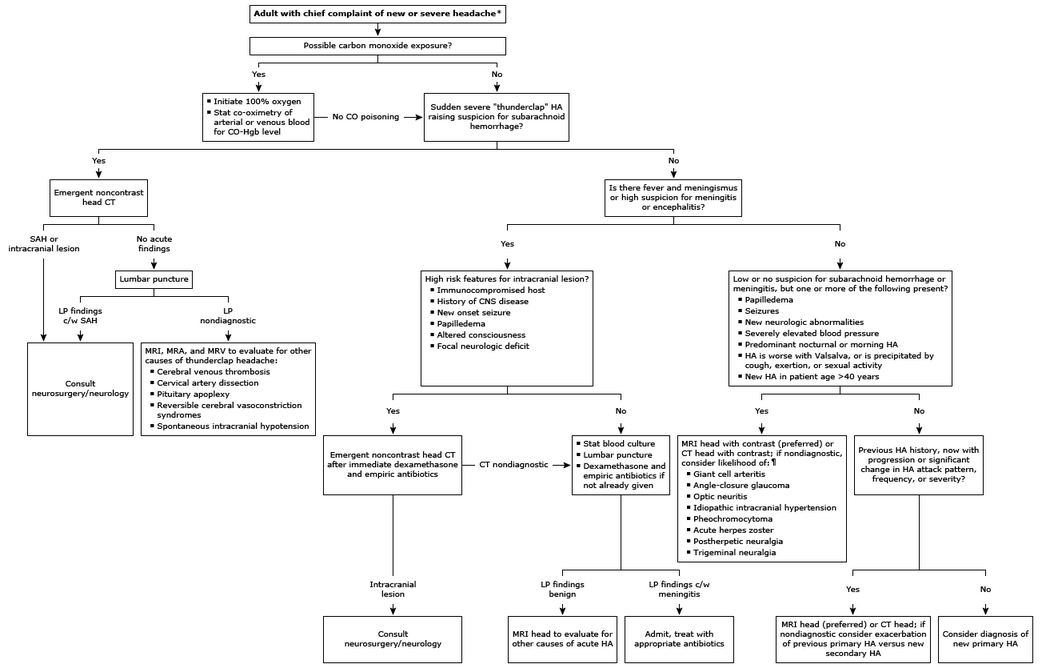
Approach to Evaluation

  • Malignancy of myeloid precursor cells
    • Multipotential hematopoietic stem cell –> common myeloid progenitor –> myeloblast

Signs and Symptoms

  • Environment
    • Turn off the lights
    • Speak quiet
    • Let the patient talk uninterrupted about what is going on
  • History
    • Age of onset
    • Past medical and family history
    • Medication history
    • Presence of absence of aura
    • Characteristics
      • Frequency
      • Intensity
      • Duration
      • Onset
      • Quality
      • Location
      • Radiation
    • Number of headaches per month
    • Associated symptoms
      • Fever, nausea, vomiting, visual disturbances, dizziness, syncope
    • Precipitating, exacerbating or relieving factors
      • Positional changes, exertional
      • Photophobia, phonophobia
      • Relationship to food or alcohol
    • Women
      • Contraception
      • Associated with menstrual cycle
  • Physical Examination
    • Review of vital signs
    • Auscultate for bruits (evaluation for AVM)
      • Neck, eyes, head
    • Palpate head, neck, and shoulder regions
    • Palpate neck and head arteries
    • Palpate neck muscles for spasms or tightness
    • Neurologic examination
      • Mental status
      • Cranial nerve evaluation
      • Fundoscopy
      • Motor and sensory examination
      • Cerebellar exam, including gait, Romberg

Concerning History and Physical Examination Findings

  • SNNOOP10 Red Flag List
    • Systemic symptoms
      • Fever
    • Neoplasm history
    • Neurologic deficits
      • Focal or general
    • Onset
      • Sudden or abrupt
    • Older age
      • Age > 50 years
    • Pattern change or recent new headache
    • Positional
    • Precipitation
      • Sneezing, coughing, exercise, exertional
    • Papilledema
    • Progressive headache and atypical presentations
    • Pregnancy or postpartum
    • Painful eye with autonomic features
    • Post-traumatic
    • Pathology of the immune system
    • Painkiller overuse
  • Presence of ANY of the SNNOOP10 require further investigation
  • Low-Risk Documentation Pearls
    • Age < 50 years
    • Features typical of primary headache
    • History of similar headache
    • No abnormal neurological findings
    • No concerning change in usual headache pattern
    • No high-risk comorbid conditions
    • No new or concerning findings on physical examination

Serious and/or Life-Threatening Headaches

  • “Thunderclap”
    • sudden onset, maximal intensity
  • Neck pain with Horner’s Syndrome and/or neurologic deficit
    • Cervical artery dissection
  • Fever, AMS, and/or nuchal rigidity
    • Meningitis, encephalitis
  • Neurologic deficit and/or papilledema
    • Increased intracranial pressure
      • Pseudotumor cerebri, mass effect lesion
  • Orbital or periorbital symptoms
    • Acute angle closure glaucoma, cavernous sinus thrombosis/fistula

Imaging Recommendations

  • Criteria for imaging in Headaches
    • Any of the SNNOOP10 findings
  • Emergency Setting
    • CT is generally the study of choice because:
      • Widely available
      • Most life-threatening conditions are seen on CT
      • Safer for unstable patients
    • MRI is an option if:
      • New headache with optic disc edema
      • Chronic headache with new features
      • Known or suspected cancer
      • Patient is pregnant
  • Outpatient Setting
    • American Academy of Neurology recommend imaging for:
      • Patients with unexplained abnormal finding on neurologic examination
      • Patients with atypical headache features or headaches that don’t fulfill strict definition of other primary headache disorder
    • Choosing Wisely Campaign – MRI is recommended over CT
    • Consult radiology for recommendations of type of study
      • Imaging vessels, facial structures, orbits

Indications for Lumbar Puncture

  • Suspicion of SAH with a negative CT
  • Suspicion of infectious or inflammatory pathology
  • Suspicion of pseudotumor cerebri


Tension-Type Headache

Epidemiology

  • Most common headache subtype
  • 2nd most prevalent disorder in the world
  • Slightly more prevalent in women
  • Least distinct of the primary subtypes
  • Least studied

Classifications

  • Episodic
    • Infrequent – < 1 episode per month
    • Frequent – 1-14 episodes per month
  • Chronic – 15 or more episodes per month

Pathophysiology

  • Peripheral activation or sensitization of the myofascial nociceptors leading to heightened sensitivity of the pain pathways in the central nervous system
    • Central factors
      • Increased pain sensitivity
      • Altered brainstem and limbic-controlled descending pain systems
    • Peripheral factors
      • Muscular abnormalities
        • Trigger points, postural, mobility

Clinical Features

  • History
    • Quality
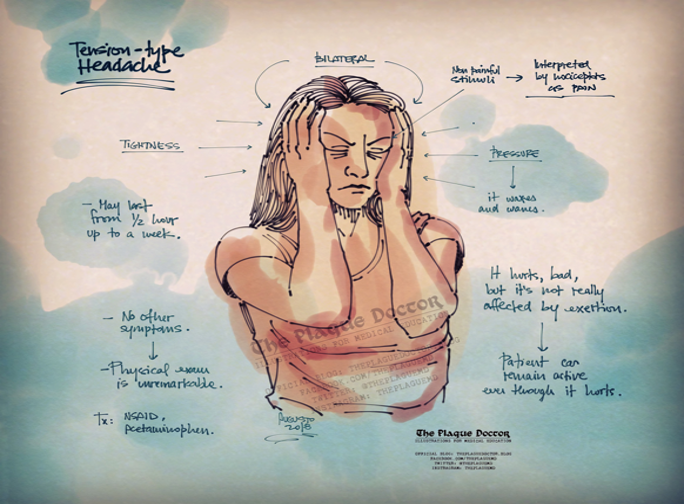
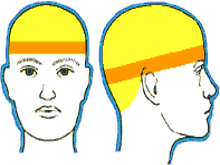
      • Dull, pressure, fullness, band-like, weight on shoulders
    • Increased stress and mental tension
    • Pericranial muscular tenderness
      • Masseter, temporalis, sternocleidomastoid, trapezius

Diagnostic Criteria

  • Two of the following:
    • Bilateral location
    • Pressing/tightening, non-pulsatile quality
    • Mild/moderate intensity
    • Not aggravated by routine physical activity
  • Both of the following
    • No more than one of photophobia or phonophobia
    • No moderate/severe nausea or vomiting
  • Episodic
    • At least 10 episodes lasting 30 minutes to 7 days
  • Chronic
    • At least 15 episodes per month for at least 3 months lasting for hours to days

Treatment

  • Acute/Abortive
    • NSAID Analgesia
      1. Ibuprofen, acetaminophen, aspirin
      1. Can be combined with caffeine
    • Triptans can be used if NSAIDs fail
  • Preventative
    • Antidepressants
      • Tricyclic antidepressants
        • Amitriptyline has the best evidence
          • Start 10mg and increased 10mg every 2-3 weeks until:
            • Improvement of headaches
            • Max dose of 125mg/day
      • Mirtazapine and venlafazine has some limited data
    • Anticonvulsants
      • Topiramate and gabapentin can also be helpful
    • Trigger point injections
    • Botulinum toxin injections
    • Behavioral treatments
      • Cognitive-behavioral therapy
      • Relaxation techniques
      • Biofeedback
    • Acupuncture and physical therapy has limited evidence of success

Migraines

Epidemiology

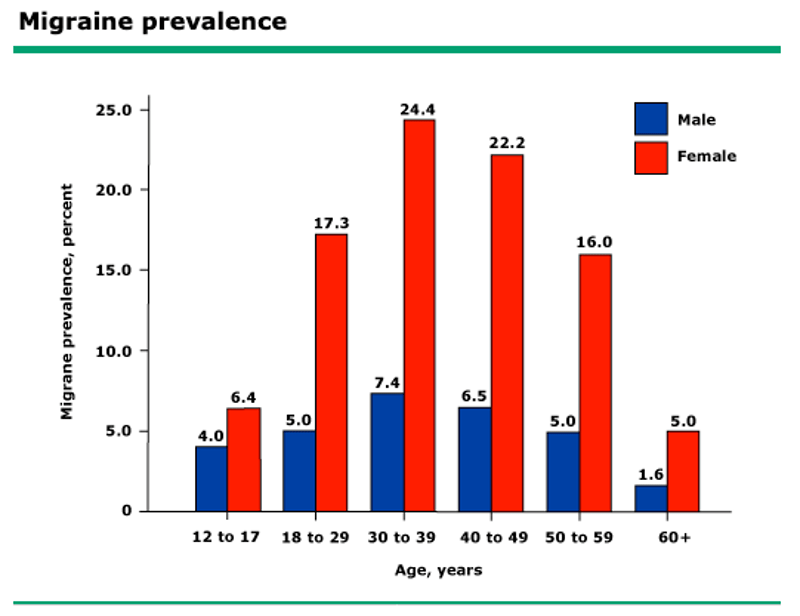
  • Affects up to 12% of the population
  • More frequent in women
  • Most common age range is 30-40 years
Up-to-Date. 2020

Pathophysiology

  • Cortical spreading depression
    • Self-propagating wave of neuronal and glial depolarization that spreads across the cerebral cortex
    • This then causes:
      • Aura
      • Activation of the trigeminovascular system
        • Causes inflammatory changes in the pain-sensitive meninges
        • Increase pain sensitization
      • Alters blood-brain barrier permeability

Clinical Features

  • Cascade of four events over a course of hours to days:
    • Prodrome
      • 24-48 before headache
      • Yawning, euphoria, depression, irritability, food cravings
    • Aura
      • 25% of patient experience focal neurologic symptom
        • Visual
          • Positive
            • Lines, shapes, objects
          • Negative
            • Scintillating scotomas, vision loss
        • Sensory
          • Positive
            • Burning, paresthesias
          • Negative
            • numbness
        • Auditory
          • Positive
            • Tinnitus, noises
          • Negative
            • Hearing loss
    • Headache
      • Unilateral
      • Throbbing, pulsatile quality
      • Nausea or vomiting common
      • Photophobia and phonophobia common
    • Prodrome
      • Feeling of exhaustion, elation, euphoria
Scintillating Scotoma

Precipitating Factors or Triggers

Common Migraine Triggers

Diagnostic Criteria

  • Without an Aura
    • ≥ 5 attacks with the following:
      • Lasting 4-72 hours
      • Headache as 2 of the following:
      • Unilateral
      • Pulsating quality
      • Moderate/severe
      • Aggravation by exertion
    • ≥ 1 of the following:
      • Nausea or vomiting
      • Photophobia or phonophobia
  • With an Aura
    • ≥ 2 attacks with the following:
      • ≥ 1 of the following reversible aura symptoms:
        • Visual
        • Sensory
        • Speech
        • Motor
        • Brainstem
        • Retinal
    • ≥ 2 of the following:
      • Aura spreads and/or 2 or more occur in succession
      • Each aura lasts 5-60 min
      • At least 1 aura is unilateral
      • Aura is accompanied or followed by headache within 60 min

Treatment

  • Acute/Abortive Therapy
    • Without nausea or vomiting
      • NSAIDs
    • With nausea or vomiting
      • Triptans
        • Sumatriptan
          1. SQ 6mg
          1. IN 20mg
      • Antiemetics
        • Metoclopramide 10mg
        • Prochlorperazine 10mg
      • Dihydroergotamine 1mg IM/SQ
        • Generally combined with metoclopromide
      • Dexamethasone 10mg IM
        • More for prevention of migraine recurrence
  • Preventative Therapy
    • Think about compelling indications and concomitant diseases
    • Antihypertensives
      • Beta Blockers
        1. Metoprolol, propranolol
      • Calcium Channel Blockers
        1. Verapamil, flunarizine
      • ACE/ARB
        1. Lisinopril, candesartan
    • Antidepressants
      • Amitriptyline, venlafaxine
    • Anticonvulsants
      • Topiramate, valproate, gabapentin
    • Calcitonin Gene-Related Peptide (CGRP) Antagonist
      • Erenumab, fremanezumab, galcanezumab
    • Acupuncture, nerve stimulation

Cluster

Epidemiology

  • <1% of headaches
  • Men > women

Pathophysiology

  • Complex and incompletely understood
    • Most widely accepted theory
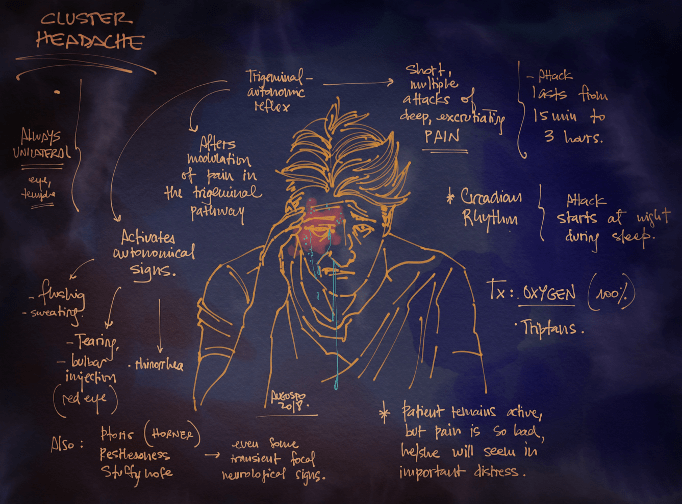
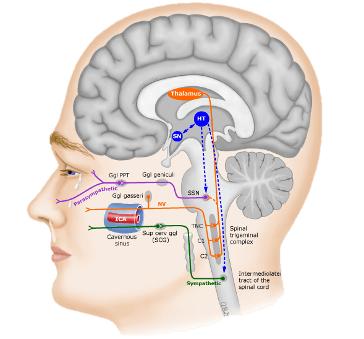
      • Hypothalamic activation with secondary activation of the trigeminal-autonomic reflex

Clinical Features

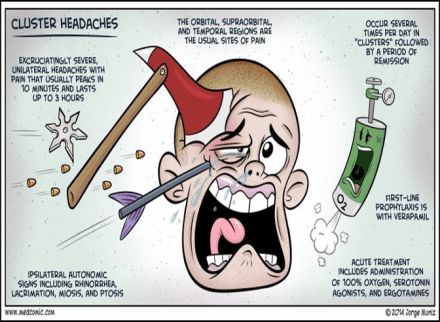
  • Unilateral attacks of severe orbital, supraorbital, or temporal pain
    • Autonomic phenomena
      • Ptosis, miosis, lacrimation, conjunctival injection, rhinorrhea, nasal congestion
        • Only occur during the episode
        • Ipsilateral to the pain site
    • Circadian periodicity
      • Occur daily for several weeks and then remit for up to a year

Diagnostic Criteria

  • At least five attacks characterized by severe unilateral orbital, supraorbital, or temporal pain lasting 15-180 minutes with at least one of the following:
    • Conjunctival injections and/or lacrimation
    • Nasal congestion and/or rhinorrhea
    • Eyelid edema
    • Forehead and facial sweating
    • Miosis and/or ptosis
    • Sense of restlessness or agitation
  • Classification
    • Episodic
      • Occur in circardian periodicity in clusters
        • At least two cluster periods lasting 7 days to one year separated by a pain-free remission of at least 3 months
    • Chronic
      • Attacks occur without a remission period or remission lasting less than 3 months
  • Imaging
    • Initial event warrants an MRI to rule-out intracranial pathology that also can cause autonomic dysfunction

Treatment

  • Acute/Abortive Therapy
    • 100% oxygen via non-rebreather
    • SQ sumatriptan 6mg
    • IN lidocaine 4-10% 1mL
    • Ergot-derivitives
    • Octreotide 100mcg SQ
  • Preventative Therapy
    • Verapamil 240mg daily
      • Bridge with prednisone 60-100mg daily for 5 days, with a 10mg/day taper
    • Galcanezumab can be used for chronic
    • Lithium has limited data
    • Topiramate can be used as add-on therapy


Up-to-Date. 2020

Up-to-Date. 2020

The Cottage Physician (1893)


References

  1. Headache Classification Committee of the International Headache Society (IHS) The International Classification of Headache Disorders, 3rd edition. Cephalalgia : an international journal of headache. 2018; 38(1):1-211. [pubmed]
  2. Goadsby PJ. Migraine and Other Primary Headache Disorders. In: Jameson J, Fauci AS, Kasper DL, Hauser SL, Longo DL, Loscalzo J. eds. Harrison’s Principles of Internal Medicine, 20e New York, NY: McGraw-Hill; . http://accessmedicine.mhmedical.com.ezproxy.uthsc.edu/content.aspx?bookid=2129&sectionid=192532155 . Accessed May 03, 2020.
  3. Koyfman A, Long B. Headache. In: Tintinalli JE, Ma O, Yealy DM, Meckler GD, Stapczynski J, Cline DM, Thomas SH. eds. Tintinalli’s Emergency Medicine: A Comprehensive Study Guide, 9e New York, NY: McGraw-Hill; . http://accessmedicine.mhmedical.com.ezproxy.uthsc.edu/content.aspx?bookid=2353&sectionid=189593946 . Accessed May 03, 2020.
  4. Hainer BL, Matheson EM. Approach to acute headache in adults. American family physician. 2013; 87(10):682-7. [pubmed]
  5. Do TP, Remmers A, Schytz HW, et al. Red and orange flags for secondary headaches in clinical practice: SNNOOP10 list. Neurology. 2019; 92(3):134-144. [pubmed]
  6. Lyrer PA, Brandt T, Metso TM, et al. Clinical import of Horner syndrome in internal carotid and vertebral artery dissection. Neurology. 2014; 82(18):1653-9. [pubmed]
  7. Loder E, Weizenbaum E, Frishberg B, Silberstein S, . Choosing wisely in headache medicine: the American Headache Society’s list of five things physicians and patients should question. Headache. ; 53(10):1651-9. [pubmed]
  8. Jensen RH. Tension-Type Headache – The Normal and Most Prevalent Headache. Headache. 2018; 58(2):339-345. [pubmed]
  9. Martelletti P, Birbeck GL, Katsarava Z, Jensen RH, Stovner LJ, Steiner TJ. The Global Burden of Disease survey 2010, Lifting The Burden and thinking outside-the-box on headache disorders. The journal of headache and pain. 2013; 14:13. [pubmed]
  10. Bendtsen L. Central sensitization in tension-type headache–possible pathophysiological mechanisms. Cephalalgia : an international journal of headache. 2000; 20(5):486-508. [pubmed]
  11. Moore RA, Derry S, Wiffen PJ, Straube S, Bendtsen L. Evidence for efficacy of acute treatment of episodic tension-type headache: methodological critique of randomised trials for oral treatments. Pain. 2014; 155(11):2220-8. [pubmed]
  12. Lipton RB, Bigal ME, Diamond M, et al. Migraine prevalence, disease burden, and the need for preventive therapy. Neurology. 2007; 68(5):343-9. [pubmed]
  13. Laurell K, Artto V, Bendtsen L, et al. Premonitory symptoms in migraine: A cross-sectional study in 2714 persons. Cephalalgia : an international journal of headache. 2016; 36(10):951-9. [pubmed]
  14. Kelman L. The triggers or precipitants of the acute migraine attack. Cephalalgia : an international journal of headache. 2007; 27(5):394-402. [pubmed]
  15. Marmura MJ, Silberstein SD, Schwedt TJ. The acute treatment of migraine in adults: the american headache society evidence assessment of migraine pharmacotherapies. Headache. 2015; 55(1):3-20. [pubmed]
  16. Nesbitt AD, Goadsby PJ. Cluster headache. BMJ (Clinical research ed.). 2012; 344:e2407. [pubmed]
  17. May A, Schwedt TJ, Magis D, Pozo-Rosich P, Evers S, Wang SJ. Cluster headache. Nature reviews. Disease primers. 2018; 4:18006. [pubmed]
  18. Obermann M, Holle D, Naegel S, Burmeister J, Diener HC. Pharmacotherapy options for cluster headache. Expert opinion on pharmacotherapy. 2015; 16(8):1177-84. [pubmed]
  19. Francis GJ, Becker WJ, Pringsheim TM. Acute and preventive pharmacologic treatment of cluster headache. Neurology. 2010; 75(5):463-73. [pubmed]

PAINE #PANCE Pearl – Neurologic


Question

A 47yo man is being evaluated for a headaches that he describes as “someone jabbing my brain through my eye”. He reports these headaches occur several times a day for the past several weeks, lasting only for a minute, and only affecting his right side of this head. While speaking with him, he has another episode and you notice his eye becomes red and injected with significant tearing and nasal drainage present. On closer examination, he also notice his pupil on the affected side is constricted and he has a mild lid lag.

  1. What is the treatment protocol of choice for this patient?