What are the 5 main life-threatening causes of chest pain?

Author: Kristopher Maday PA-C
Ep-PAINE-nym
Hesselbach’s Triangle
Other Known Aliases – Inguinal triangle, medial inguinal fossa
Definition – Anatomical region of the abdominal wall outlined by the boundaries of the lateral margin of the rectus sheath, the inferior epigastric vessels, and the inguinal ligament.

Clinical Significance – The area is where direct hernias protrude through the abdominal wall.

History – Named after Franz Kasper Hesselbach (1759-1816), who was a German physician, surgeon, and anatomist in Hammelburg, Germany. He had a prolific career surgical assistant and prosector under Karl Kasper von Siebold at The Juliusspital in Würberg, before obtaining his doctor of medicine there. He is best known for his contributions to the surgery of hernias and has several other eponyms as well: Hesselbach’s fascia (cribriform fascia) and Hesselbach’s ligament (interfoveolar ligament.
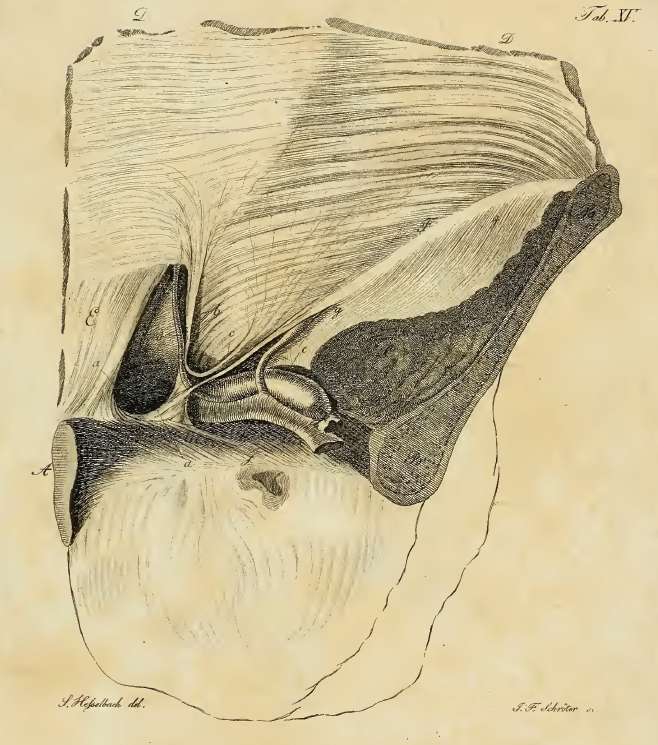
From his 1806 manuscript
References
- Firkin BG and Whitwirth JA. Dictionary of Medical Eponyms. 2nd ed. New York, NY; Parthenon Publishing Group. 1996.
- Bartolucci S, Forbis P. Stedman’s Medical Eponyms. 2nd ed. Baltimore, MD; LWW. 2005.
-
Yee AJ, Pfiffner P. (2012). Medical Eponyms (Version 1.4.2) [Mobile Application Software]. Retrieved http://itunes.apple.com.
- Whonamedit – dictionary of medical eponyms. http://www.whonamedit.com
-
Tubbs RS, Gribben WB, Loukas M, Shoja MM, Tubbs KO, Oakes WJ. Franz Kaspar Hesselbach (1759–1816): anatomist and surgeon. World journal of surgery. 2008; 32(11):2527-9. [pubmed]
- Hesselbach HK. Anatomisch-chirurgische Abhandlung über den Urspurng der Leistenbrüche. Würzburg, Baumgärtner. 1806.
- Hesselbach HK. Neueste anatomisch-pathologische Untersuchungen über den Ursprung und das Fortschreiten der Keisten- und Schenkelbrüche. Würzburg, Stahel. 1814
PAINE #PANCE Pearl – Gastrointestinal
Question
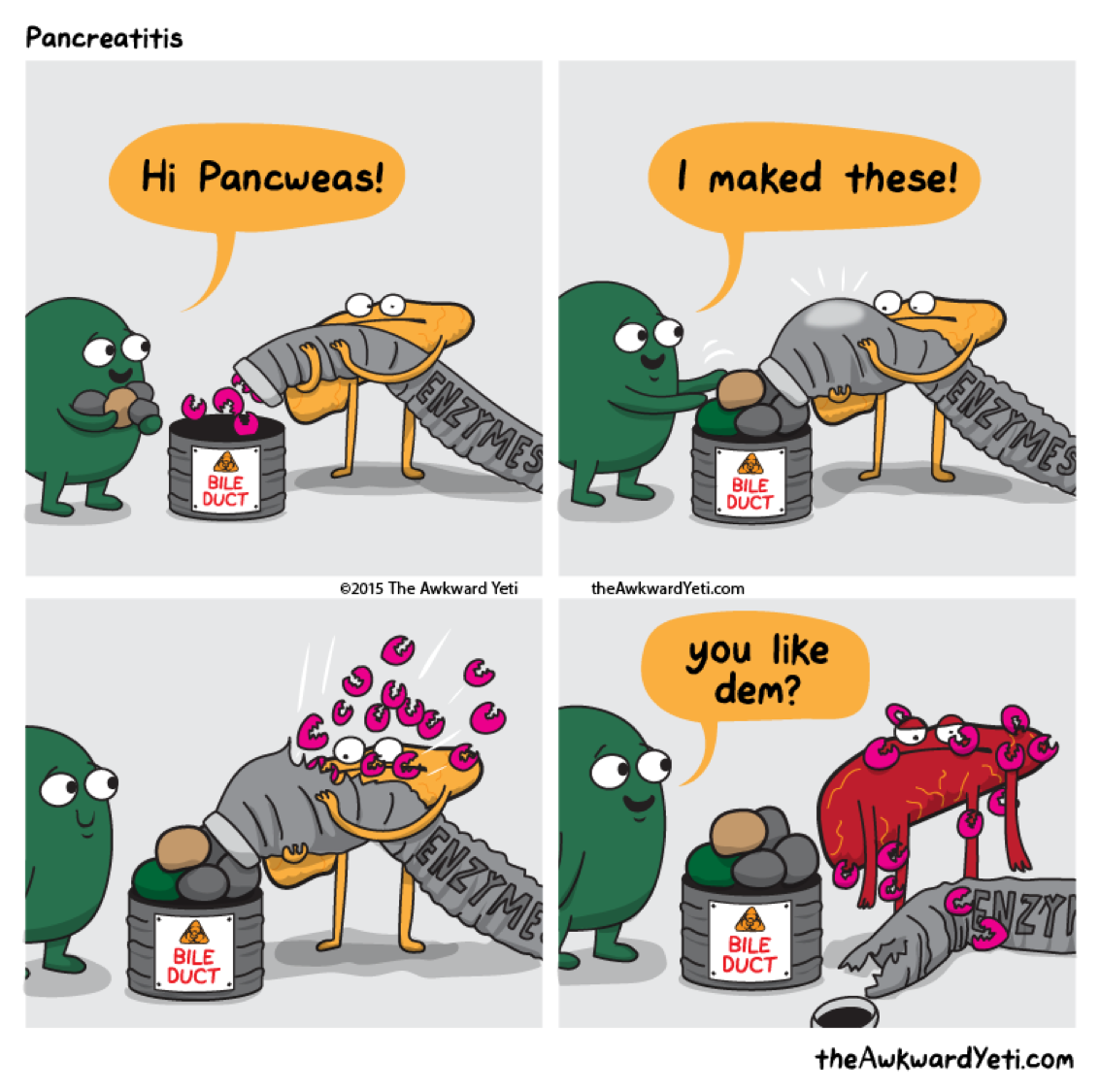
What are the some of the pancreatitis scoring systems that are commonly used to estimate severity and mortality?
Answer
There are several scoring systems for estimating severity and mortality in pancreatitis.
- Ranson’s Criteria
- This is probably the most well known and estimates severity on admission and mortality after 48 hours:
- On Admission
- Glucose > 200 mg/dL
- AST > 250
- LDH > 350
- Age > 55
- WBC > 16,000
- ≥ 3 suggests severe pancreatitis and ICU admission
- After 48 hours
- > 10% decrease in hematocrit
- > 5 mg/dL increase in BUN
- < 8 mg/dL in serum calcium
- < 60 mmHg in PaO2
- > 4 base deficit
- > 6L fluids needed
- Predicted Mortality
- 0-2 – 1%
- 3-4 – 15%
- 5 – 40%
- On Admission
- This is probably the most well known and estimates severity on admission and mortality after 48 hours:
- Bedside Index of Severity in Acute Pancreatitis (BISAP)
- Predicts mortality
- BUN > 25 mg/dL
- GCS < 15
- Evidence of SIRS (2 of the following)
- Temp < 36oC or > 38oC
- Respiration > 20 or PaCO2 < 32 mmHg
- Heart rate > 90 bpm
- WBC < 4000, > 16,000, or > 10% bands
- Age > 60
- Imaging reveals pleural effusions
- Predicted Mortality
- 0-2 – < 2%
- 3-5 – > 15%
- Predicts mortality
- CT Severity Index (CTSI)
- Assesses severity of pancreatitis via contrast enhanced CT and is the the sum of two scores:
- Balthazar Score
- 0 – normal pancrease
- 1 – enlargement of pancrease
- 2 – inflammatory changes in pancrease and peripancreatic fat
- 3 – defined single peripancreatic fluid collection
- 4 – two or more poorly defined peripancreatic fluid collections
- Pancreatic Necrosis
- 0 – none
- 2 – < 30%
- 4 – 30-50%
- 6 – ≥ 50%
- Assessment
- 0-3 – mild
- 4-6 – moderate
- 7-10 – severe
- Balthazar Score
- Assesses severity of pancreatitis via contrast enhanced CT and is the the sum of two scores:
- Glasgow-Imrie Criteria for Severity of Acute Pancreatitis
- This one has a nice mneumonic (PANCREAS):
- PaO2 < 60
- Age < 55
- Neutrophil (WBC) > 15,000
- Calcium < 8 mg/dL
- Raised BUN > 45 mg/dL
- Enzyme (LDH) > 600 IU/L
- Albumin < 3.2 g/dL
- Sugar (glucose) > 180 mg/dL
- ≥ 3 points suggests severe disease
- This one has a nice mneumonic (PANCREAS):
References
-
Ranson JH, Rifkind KM, Roses DF, Fink SD, Eng K, Spencer FC. Prognostic signs and the role of operative management in acute pancreatitis. Surgery, gynecology & obstetrics. 1974; 139(1):69-81. [pubmed]
-
Wu BU, Johannes RS, Sun X, Tabak Y, Conwell DL, Banks PA. The early prediction of mortality in acute pancreatitis: a large population-based study. Gut. 2008; 57(12):1698-703. [pubmed]
-
Balthazar EJ, Robinson DL, Megibow AJ, Ranson JH. Acute pancreatitis: value of CT in establishing prognosis. Radiology. 1990; 174(2):331-6. [pubmed]
- Knipe H, Cuete D. CT Severity Index in Acute pancreatitis. Radiopaedia.
-
Blamey SL, Imrie CW, O’Neill J, Gilmour WH, Carter DC. Prognostic factors in acute pancreatitis. Gut. 1984; 25(12):1340-6. [pubmed]
Ep-PAINE-nym
Murphy’s Sign
Other Known Aliases – Moynihan’s Method (using just the thumb with patient supine)
Definition – Inspiratory arrest with deep palpation in the right upper quadrant
Clinical Significance – As the patient exhales, the abdominal organs move cephalad and under the diaphragm. After full exhalation and during inspration, the organs move caudal back into the abdominal cavity. When there is inflammation of the gallbladder, the patient will stop inhaling as the inflammed gallbladder touches the practitioner’s fingers during deep palpation of the right upper quadrant.
History – Named after John Benjamin Murphy (1857-1916), who was an American surgeon and early pioneer for many different surgical operations and techniques. In fact, William James Mayo (co-founder of The Mayo Clinic) called him “the surgical genius of our generation”.
In 1889, he advocated for and popularized early appendectomy in all suspected appendicitis cases and had over 200 successful cases to begin convincing his colleagues of the benefits of early surgery. Dr. Murphy also pioneered treatment of tuberculosis with iatrogenic pneumothoraces and was the first surgeon to re-anastomose a transected femoral artery from a gunshot wound. He was also a distinguished teacher and developed “wet clinics” at Mercy Hospital, where he operated and lectured to an audience of learners in a traditional operative theater.

Dr. Murphy also attended to Theodore Roosevelt after an assassination attempt and was one of the founding members of the American College of Surgeons. He is also the author of one of the more famous quotes pertaining to patient-centered care.
References
- Firkin BG and Whitwirth JA. Dictionary of Medical Eponyms. 2nd ed. New York, NY; Parthenon Publishing Group. 1996.
- Bartolucci S, Forbis P. Stedman’s Medical Eponyms. 2nd ed. Baltimore, MD; LWW. 2005.
-
Yee AJ, Pfiffner P. (2012). Medical Eponyms (Version 1.4.2) [Mobile Application Software]. Retrieved http://itunes.apple.com.
- Whonamedit – dictionary of medical eponyms. http://www.whonamedit.com
PAINE #PANCE Pearl – Gastrointestinal
#35 – Peptic Ulcer Disease
***LISTEN TO THE PODCAST HERE***
Definitions
- Dyspepsia
- Upper abdominal pain or discomfort
- Gastritis
- Epithelial or endothelial damage with histologic evidence of inflammation
- 2 types
- Gastric
- Duodenal
Epidemiology
- Annual incidence in developed countries 0.1-0.19%, or 0.7 cases per 1000 person-years
- Lifetime prevalence of PUD in 10-20% in pylori (+) patients vs 5-10% in H.pylori (-) patients
- Increases with age
- 13x higher risk of bleeding in patients > 70yo
- More common in males
- Differences between Gastric and Duodenal Ulcers
- DU occur up to 20 years before GU
- DU 5x more common than GU
Etiologies
There are numerous causes of PUD and include infections, stress, medications, alcohol, cirrhosis, neoplasms, etc. The two main causes in developed countries are:
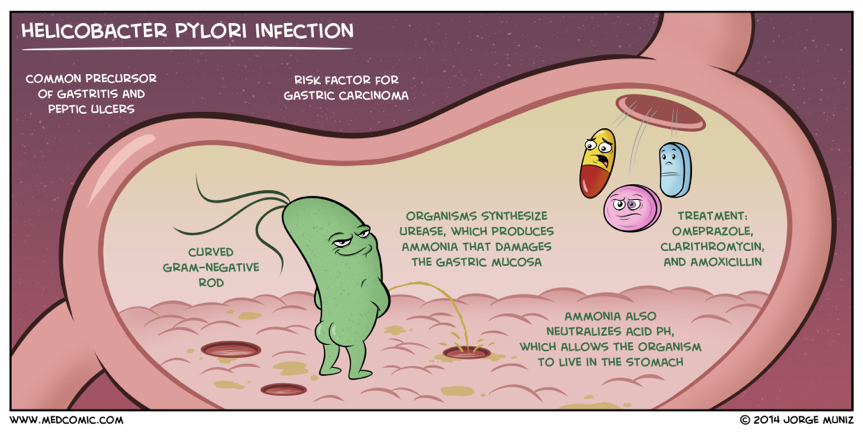
- Helicobacter pylori
- Non-Steroidal Antiflammatory Drugs (NSAIDs)
Clinical Manifestations
- Up to 70% of peptic ulcers are asymptomatic
- Present later with complications
- Up to 80% present with bleeding without preceding symptoms
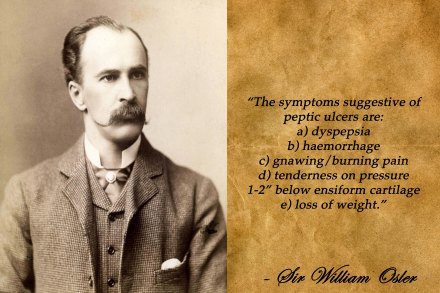
- Dyspepsia is the most common symptoms
- May also have radiation to the back
- Relation to food intake
- GU – Worse
- DU – Better
- Night symptoms
- GU – 1/3 of patients
- DU – 2/3 of patients
- Nausea, vomiting, anorexia, early satiety, epigastric fullness
Complications
- Bleeding
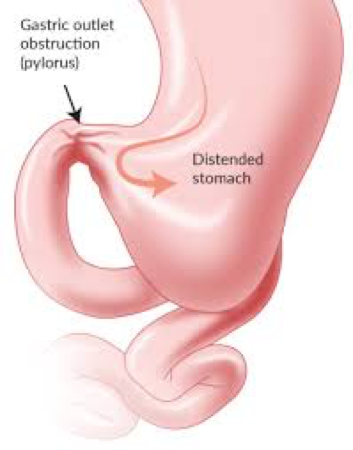
- Gastric Outlet Obstruction
- Penetration
- Perforation
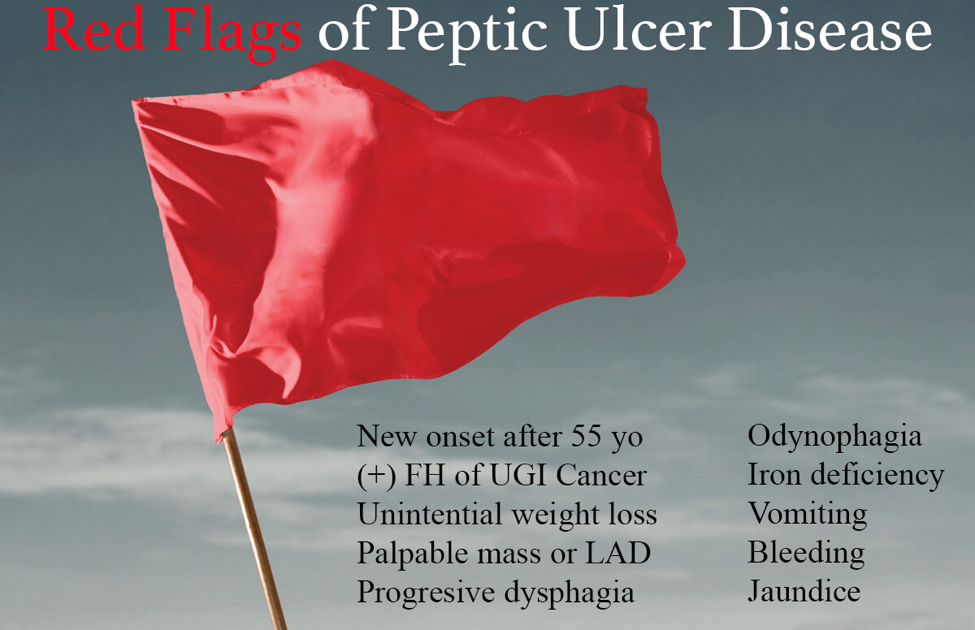
Red Flags
Work-up
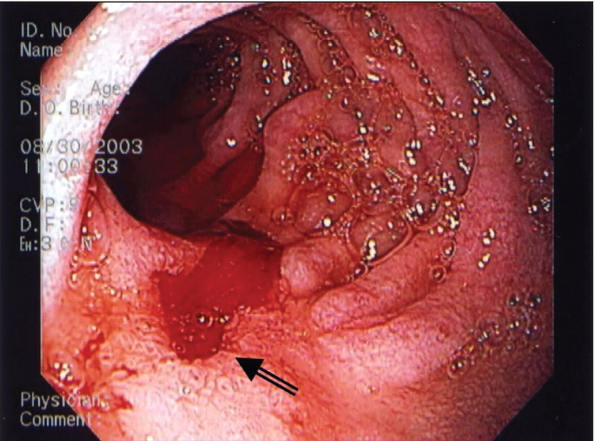
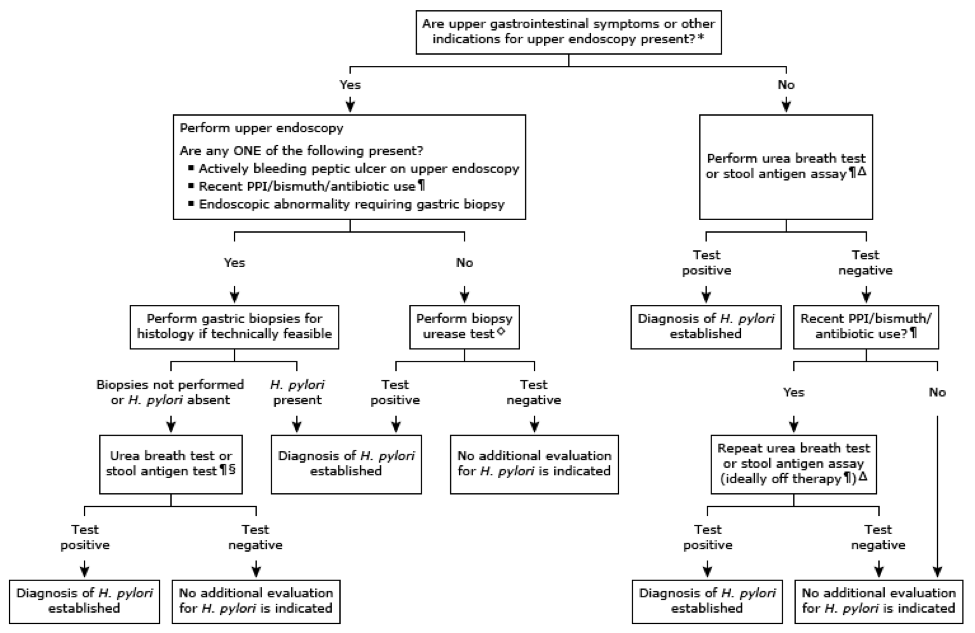
- Endoscopy
- Up to 90% sensitivity in identifying ulcer
- Next step if any red flags
- Malignant features requiring biopsy:
- Ulcerated mass protruding from lumen
- Nodular, clubbed, or fused folds
- Overhanging, irregular, or thickened ulcer margins
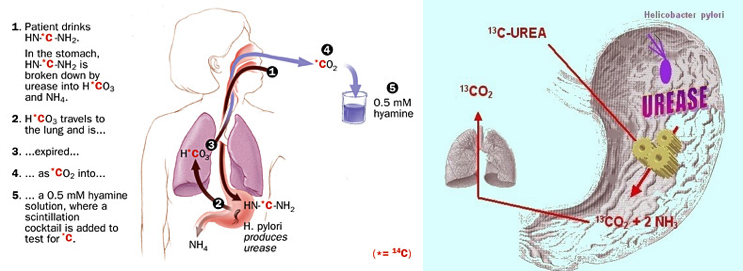
- H/pylori Testing
Initial Management
- Withdrawal of offending or contributing factors
- Stop NSAIDs, smoking, EtOH, precipitant foods
- Antisecretory therapy
- (+) H. pylori Ulcer
- Uncomplicated – 14 days
- Complicated – up to 12 weeks
- NSAID Induced
- If stopping – 8 weeks
- If continuing – indefinitely
- Non-H.pylori, non-NSAID Ulcer
- 4-8 weeks
- PPIs out perform H2A
- Esomeprazole (Nexium) – 20-40mg daily
- Lansoprazole (Prevacid) – 15-30mg daily
- Omeprazole (Prilosec) – 20-40mg daily
- Pantoprazole (Protonix) – 20-40mg daily
- High Risk Groups Requiring Indefinite Prophylaxis
- > 2 cm ulcer on endoscopy and age > 50yo
- Refractory H. pylori negative, NSAID negative ulcer
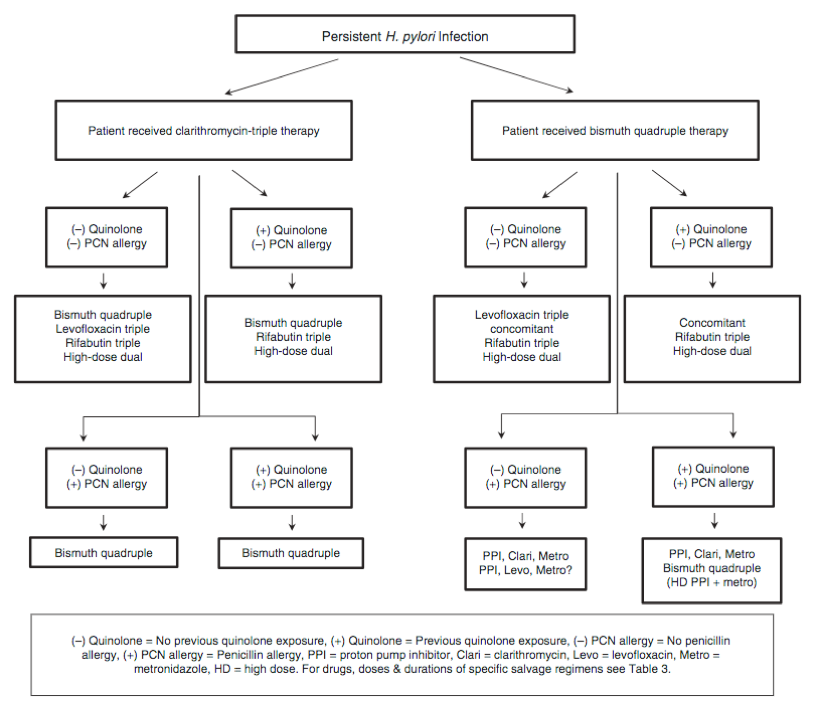
- Failure to eradicate H. pylori
- Frequently recurrent peptic ulcers (> 2 cases in 1 one)
- Continued NSAID use
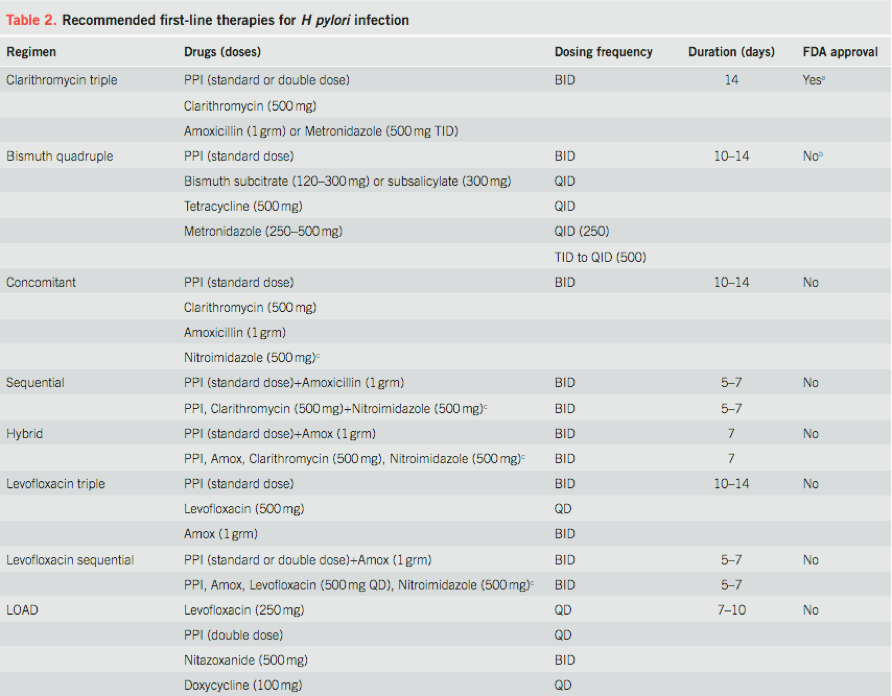
- (+) H. pylori Ulcer
- H. pylori Eradication
References
- Sung JJ, Kuipers EJ, El-Serag HB. Systematic review: the global incidence and prevalence of peptic ulcer disease. Alimentary pharmacology & therapeutics. 2009; 29(9):938-46. [pubmed]
- Lin KJ, García Rodríguez LA, Hernández-Díaz S. Systematic review of peptic ulcer disease incidence rates: do studies without validation provide reliable estimates? Pharmacoepidemiology and drug safety. 2011; 20(7):718-28. [pubmed]
- Sonnenberg A. Temporal trends and geographical variations of peptic ulcer disease. Alimentary pharmacology & therapeutics. 1995; 9 Suppl 2:3-12. [pubmed]
- Thorat MA, Cuzick J. Prophylactic use of aspirin: systematic review of harms and approaches to mitigation in the general population. European journal of epidemiology. 2015; 30(1):5-18. [pubmed]
- García Rodríguez LA, Hernández-Díaz S. Risk of uncomplicated peptic ulcer among users of aspirin and nonaspirin nonsteroidal antiinflammatory drugs. American journal of epidemiology. 2004; 159(1):23-31. [pubmed]
- Gururatsakul M, Holloway RH, Talley NJ, Holtmann GJ. Association between clinical manifestations of complicated and uncomplicated peptic ulcer and visceral sensory dysfunction. Journal of gastroenterology and hepatology. 2010; 25(6):1162-9. [pubmed]
- Wilcox CM, Clark WS. Features associated with painless peptic ulcer bleeding. The American journal of gastroenterology. 1997; 92(8):1289-92. [pubmed]
- Paimela H, Paimela L, Myllykangas-Luosujärvi R, Kivilaakso E. Current features of peptic ulcer disease in Finland: incidence of surgery, hospital admissions and mortality for the disease during the past twenty-five years. Scandinavian journal of gastroenterology. 2002; 37(4):399-403. [pubmed]
- Malfertheiner P, Megraud F, O’Morain CA. Management of Helicobacter pylori infection-the Maastricht V/Florence Consensus Report. Gut. 2017; 66(1):6-30. [pubmed]
- Chiorean MV, Locke GR, Zinsmeister AR, Schleck CD, Melton LJ. Changing rates of Helicobacter pylori testing and treatment in patients with peptic ulcer disease. The American journal of gastroenterology. 2002; 97(12):3015-22. [pubmed]
- Yeomans ND, Tulassay Z, Juhász L. A comparison of omeprazole with ranitidine for ulcers associated with nonsteroidal antiinflammatory drugs. Acid Suppression Trial: Ranitidine versus Omeprazole for NSAID-associated Ulcer Treatment (ASTRONAUT) Study Group. The New England journal of medicine. 1998; 338(11):719-26. [pubmed]
- Duck WM, Sobel J, Pruckler JM. Antimicrobial resistance incidence and risk factors among Helicobacter pylori-infected persons, United States. Emerging infectious diseases. 2004; 10(6):1088-94. [pubmed]
- Chey WD, Leontiadis GI, Howden CW, Moss SF. ACG Clinical Guideline: Treatment of Helicobacter pylori Infection. The American journal of gastroenterology. 2017; 112(2):212-239. [pubmed]
Ep-PAINE-nym
Littre’s Hernia
Other Known Aliases – none
Definition – Hernia involving a Meckel’s diverticulum
Clinical Significance – No real clinical significance other than it is an extremely rare type of hernia, but is always included in the typical pimping barrage of surgery students. It should also be included in the “zebras” of differential diagnoses of RLQ pain.


History – Named after Alexis Littrè (1654-1726), who was a distinguished physician and prolific surgeon at the historic Salpêtriére Teaching Hospital in Paris. He was inducted into the famed Académie des Sciences in part to his ridiculous dissection of over 200 cadavers in 1684. He first described an femoral hernia involving an intestinal diverticulum in 1700 in one of his cadaver dissections.
References
- Firkin BG and Whitwirth JA. Dictionary of Medical Eponyms. 2nd ed. New York, NY; Parthenon Publishing Group. 1996.
- Bartolucci S, Forbis P. Stedman’s Medical Eponyms. 2nd ed. Baltimore, MD; LWW. 2005.
-
Yee AJ, Pfiffner P. (2012). Medical Eponyms (Version 1.4.2) [Mobile Application Software]. Retrieved http://itunes.apple.com.
- Whonamedit – dictionary of medical eponyms. http://www.whonamedit.com
- Skandalakis PN, Zoras O, Skandalakis JE, Mirilas P. Littre hernia: surgical anatomy, embryology, and technique of repair. The American surgeon. 2006; 72(3):238-43. [pubmed]
- Sturdy DJ. Science and Social Status: The Members of the Academie Des Sciences 1666-1750. 1995. Boydell Press
- Malling B, Karlsen AA, Hern J. Littre Hernia: A rare case of incacerated Meckel’s diverticulum. Ultrasound Int Open. 2017;3(2):E91-92.
PAINE #PANCE Pearl – Gastrointestinal
Question
There are many individual lab tests that encompass “liver function tests” or LFTs. So for this week’s pearl:
- List out the tests that make up a liver panel
- Explain how they can be grouped together
Answer
- A typical liver panel is made of the following individual lab tests:
- Total bilirubin
- Indirect bilirubin + direct bilirubin
- Aspartate aminotransminase (AST)
- Alanine aminotransferase (ALT)
- Alkaline phosphatase (ALP)
- Gamma-glutamyl transpeptidase (GGT)
- Lactate dehydrogenase (LDH)
- Albumin
- Total protein
- Total bilirubin
- The easiest way to quickly interpret LFTs is group these tests into two broad categories:
- Hepatocellular (damage to the hepatocytes)
- AST
- ALT
- LDH
- Cholestatic (decreased post-hepatic drainage)
- Bilirubin
- GGT
- ALP
- Hepatocellular (damage to the hepatocytes)
Now let me make this clear, there is MUCH MORE that goes into interpreting LFTs, but this is good, quick start when you get abnormal LFTs back on your patient.
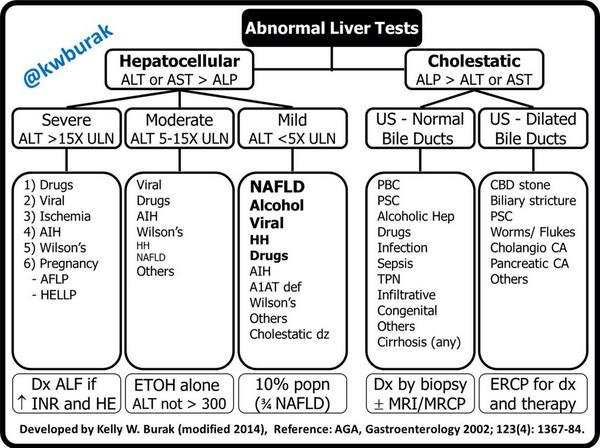
References
Ep-PAINE-nym
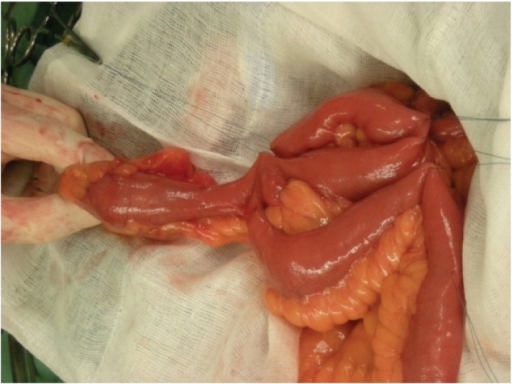
Meckel’s Diverticulum
Other Known Aliases – none
Definition – Vestigial remnant of the omphalomesenteric duct
Clinical Significance – It is the most common malformation in the GI tract and is mainly asymptomatic. When symptoms do occur, it commonly presents as painless, rectal bleeding in children. The “Rule of 2s” will help you remember the facts of this pathology:
- Effects 2% of the population
- 2% of these will be symptomatic by age 2
- 2 types of heterotopic tissue
- Boy-to-girl ratio is 2:1
- Usually 2″ in length
- 2′ from the ileocecal valve


History – Named after Johann Friedrich Meckel, the Younger (1781-1833), who was born into a prestigious medical family, with his father and grandfather already prolific physicians and professors of medicine in Halle, Prussia. He made tremendous advancements in the area of anatomy and embryonic development with special attention to birth defects and abnormalities, where he pioneered the early study of teratology. He first described the abnormality which bears his name in 1809.

References
- Firkin BG and Whitwirth JA. Dictionary of Medical Eponyms. 2nd ed. New York, NY; Parthenon Publishing Group. 1996.
- Bartolucci S, Forbis P. Stedman’s Medical Eponyms. 2nd ed. Baltimore, MD; LWW. 2005.
-
Yee AJ, Pfiffner P. (2012). Medical Eponyms (Version 1.4.2) [Mobile Application Software]. Retrieved http://itunes.apple.com.
- Whonamedit – dictionary of medical eponyms. http://www.whonamedit.com
- Stallion A, Shuck JM. Meckel’s Diverticulum. Surgical Treatment: Evidence-Based and Problem-Oriented. 2001 [pubmed]
- Blackbourne LH. Surgical Recall. 6th ed. 2012
- J. F. Meckel. Über die Divertikel am Darmkanal. Archiv für die Physiologie, Halle, 1809, 9: 421–453
-
Klunker R, Göbbel L, Musil A, Tönnies H, Schultka R. Johann Friedrich Meckel the Younger (1781-1833) and modern teratology. Annals of Anatomy. 2002; 184(6):535-40. [pubmed]