#9 – The CBC Demystified


***Listen to the podcast here***


White Blood Cell Count

  • Normal range (4.0-11.0 x 10³ cells/mm3)
  • 2 Parts
    • Actual count of the number of leukocytes in one cubic millimeter of blood
    • Differential count (% of each of the 5 types of leukocytes)
  • < 4.0 x 10³ cells/mm3 = leukopenia
    • Bone marrow failure, blood malignancies, infections
  • > 11.0 x 10³ cells/mm3 = leukocytosis
    • Infections, inflammation, blood malignancies
  • Differential
    • Granulocytes
      • Neutrophils (45-73%)
        • Bands (3-5%)
        • “Left shift”
        • Absolute Neutrophil Count (ANC)
          • (%PMN + %Bands) x WBC / 100
          • < 1500 = neutropenia
      • Eosinophils (0-4%)
      • Basophils (0-1%)
    • Non-granulocytes
      • Lymphocytes (20-40%)
        • 3 Main Types
          • T-Cells = cell mediated immunity
          • B-Cells = humoral immunity (immunoglobulins)
          • Natural Killer Cells (NKC)
      • Monocytes (2-8%)

Never Let Monkeys Eat Bananas

Red Blood Cell Count

  • Actual count of RBC in one cubic millimeter of blood
    • Normal range
      • Male (4.5-5.9 x 10¹² cells/L)
      • Female (4.1-5.1 x 10¹² cells/L)
    • Reasons for gender differences in RBC markers
      • Blood loss from menstruation
      • Testosterone is hematapoetic
    • 2 main markers
      • Hemoglobin
        • Amount of Hgb contained in a given volume of blood
        • Normal Range
          • Male (14-17.5 g/dL)
          • Female (12.3-15.3 g/dL)
      • Hematocrit
        • % of total blood volume made up by RBC
        • Normal range
          • Male (42-50%)
          • Female (36-45%)
        • As a general rule of thumb, most agreed upon transfusion trigger is Hgb < 7.0 g/dL and/or Hct < 20%

Red Blood Indices

  • Essentially assess the size and hemoglobin content of the RBC and is useful in the evaluation of anemias, polycythemias, and nutritional deficiencies
  • Mean Corpuscular Volume (MCV)
    • Average size of the volume of RBC (Hct/RBC count)
    • Normal range (80-100 fL/cell)
      • < 80 = Microcytic
      • > 100 = Macrocytic
  • Mean Corpuscular Hemoglobin (MCH)
    • Average amount of hemoglobin within a RBC
    • Closely resembles MCV and of little clinical use
  • Mean Corpuscular Hemoglobin Concentration (MCHC)
    • Calculation of Hgb/Hct
    • Normal range (32-36 g/dL)
      • < 32 = hypochromic
      • > 36 = hyperchromic
  • Red Blood Cell Distribution Width (RDW)
    • Indication of RBC size variability (degree of anisocytosis)
    • Normal range (11-14%)
  • Reticulocyte Count
    • Measure of immature RBC in circulation
      • Evaluates bone marrow function and erythropoetic activity
    • Normal range (0.5-2.5%)
    • Reticulocyte Index
      • Measures whether this response is appropriate
      • Reticulocyte Count % x (Patient’s Hct/Normal Hct)
        • < 1.0 = poor response

Platelet Count

  • Actual count of thrombocytes in one cubic millimeter of blood
  • Normal range (150,000-450,000/µL)
  • Mean Platelet Volume (MPV)
    • Relationship between size and count
    • Immature platelets are larger
    • MPV is analogous to the MCV

Strategies for Quick Interpretation

  • If abnormal WBC:
    • Correlate with clinical picture
      • An abnormal number may be a normal response to illness or a marker of illness severity
    • Look at your differential
    • If leukopenic, then calculate ANC
  • If abnormal RBC:
    • Is your patient symptomatic?
    • Look at your indices
    • Calculate reticulocyte count for response
  • If abnormal platelet:
    • Is the patient bleeding?
Untitled-1

Fishbone diagram for CBC with differential

References

1) Pagana KD, Pagana TJ.  Mosby’s Manual of Diagnostic and Laboratory Tests.  5th ed.  St. Louis, MO. Elsevier. 2014.

2) Lee M.  Basic Skills in Interpreting Laboratory Data.  5th ed.  Bethesda, MD.  American Society of Health-Systems Pharmacists.  2013

3) Laposata M.  Laboratory Medicine: The Diagnosis of Disease in the Clinical Laboratory.  2nd ed.  New York, NY.  2014.

Memory and Learning

This is my post for The American Academy of Physician Assistants Blog “PAs Connect” in a recurring series called “Professor’s Corner”.


School is all about memory.  You are presented information in class and you try to remember everything the professor is saying in order to transcribe what you think is important on your notes.  Then you go home and study these notes, textbook chapters, and journal articles to help try to make sense of the material. This is where our cognitive weapons of choice come out: different colored highlighters, index cards, sticky notes….all in the hopes that it is processed into neat little compartments in your brain so you can recall them for the exam.  Rinse…wash…repeat for 2.5 years of PA school.  But what is the science behind memory and why do somethings work better than others?

Most people think of memory as just short term and long term, but depending on which psychologic theory of memory you prescribe to, there can be many more.  I, personally and professionally, like the three-tiered, information processing model to memory: sensory, working, and long-term.

Memory Graphic

Sensory Memory

The first step in memory involves the processing of sensory stimuli that are introduced in the learning environment.  The brain uses three main senses (sight, sound, touch) to get as much information brought in as possible.  Now, if you had to process every single sensory stimulus into your working memory, your brain would get overloaded in a matter of seconds.  To avoid this, you use sensory memory as the environmental buffer to pick and choose what you think is the most important……this is where attention comes in.  Attention is the filter from the sensory memory system into the working memory system and allows us to focus on smaller, more important sensory stimuli.

Attention is the bodyguard outside of Club Working Memory.  He will pick and choose what information gets through for further processing to make sure the club isn’t overcrowded.

Working Memory

Once the sensory information is attended to, we can store it in a temporary cognitive sandbox where we can actually work with it.  This is your working memory.  It is short (15-30s) and the information stored here only stays if the learner is actually doing something with it (rehearsal).  There are 3 main components of working memory:  central executive (supervisor), the phonological loop (language storage), the visuospatial sketchpad (visual storage).  As you hear and see things over and over again, you start to make connections and correlation between the information and begin to encode it all into neat data packages.  Each system is different and the cognitive load when using both systems is only slightly higher than using them individually.  Cognitive psychologists recommend using this to your advantage while studying.  For example, assign each class a room in your house and only study in this room.  It will increase the likelihood of correctly recalling the information when you can get your cognitive bearings straight on the location you learned the information.  You can incorporate similar strategies such as listening to different music or artists for different subjects.

The more you rehearse this information in working memory, the greater the cognitive load….but the higher likelihood it will make it to long-term memory.

Working Memory Graphic

Long-term Memory

Due to this increased cognitive load of working memory, it is not possible to keep information in working memory indefinitely.  This is where long-term memory comes into play.  We try to categorize this information into packages for easy storage and recall in long-term memory.  There are 3 steps to this process:  encoding, storage, and retrieval/rehearsal.  The majority of the energy used when studying is trying to encode the information in working memory so it can be efficiently and effortless recalled when needed.  This is why mnemonics, acronyms, and all the other things we do as students help process and package new information so we can remember them later.  “Oh Oh Oh To Touch And Feel Very Good Velvet, Ahhhh” may mean nothing to you, but it is how I can still recall all 12 cranial nerves to this day.

Loss of Memory

Even with all these sophisticated and complicated cognitive pathways that our brains have developed to retain information, we still forget and lose information.  There are many theories behind this, but the 2 main ones I like are:  information decay (the less you use it, the less you can recall) and interference (learning new information inhibits recall of old information).

To limit interference when I am teaching, I try not to overload the senses with extraneous stimuli.  If I stand up and just read the powerpoint (which is not teaching by the way), you (the student) can’t listen to what I am saying when you are being bombarded with paragraphs of text that you feel compelled to read. This leads to overload of the sensory and working memory as you are trying to listen, read, and process everything that is being thrown at you.

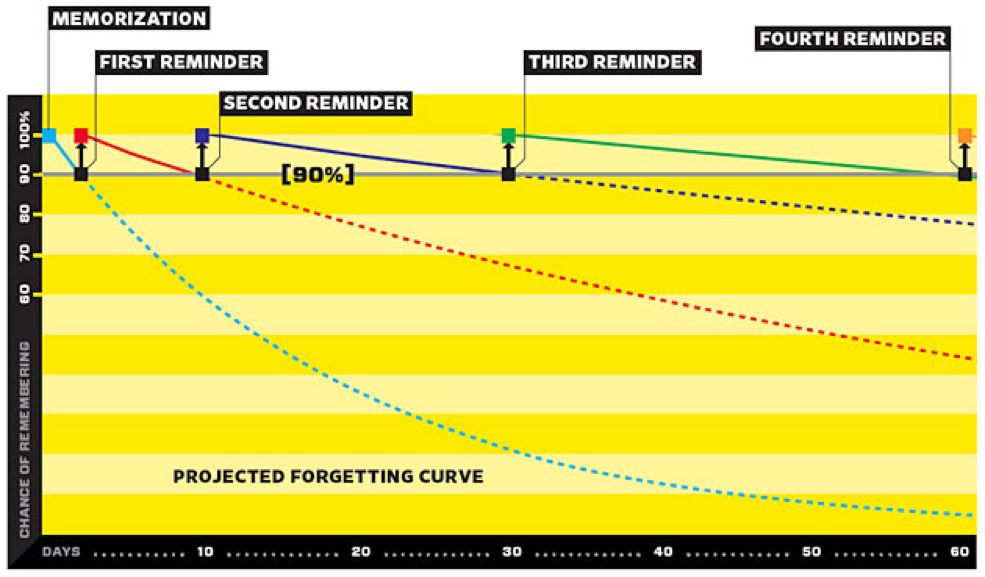
To limit long-term memory decay, I utilize spaced repetition.  When I am teaching, I like to bring up old information (last exam, least semester, etc…) to re-introduce to it to my students.  It is also why I believe in comprehensive final examinations.  It gives them an opportunity to dust off the stored information in long-term memory and play with it again in the sandbox of working memory.  This strategy has been shown to improve retention and efficiency of recall when you need it the most…..when taking care of patients.

SPaced Repitition

Wolf G. Want to Remember Everything You’ll Ever Learn? http://www.wired.com/2008/04/ff-wozniak/?currentpage=all


References

1)  Anderson JR.  Cognitive psychology and its implications.  7th ed.  Worth Publishers. 2009

2) McLeod SA. Working Memory | Simply Psychology. Available at: http://www.simplypsychology.org/working memory.html. Accessed February 15, 2016.

3) Cognition (Sensory memory). Introduction to Instructional Design. Available at: http://byuipt.net/564/2013/08/23/cognition-sensory-memory/. Accessed February 15, 2016

4)  Baddeley AD.  Working memory.  Science.  1992;255:556-559.

5) Cognition (Long-term memory). Introduction to Instructional Design. Available at: http://byuipt.net/564/2013/08/23/cognition-long-term-memory/. Accessed February 15, 2016.

6) Wolf G. Want to Remember Everything You’ll Ever Learn? Surrender to This Algorithm. Wired.com. Available at: http://www.wired.com/2008/04/ff-wozniak/?currentpage=all. Accessed February 15, 2016.

7) Nickson C. Learning by Spaced Repetition. Life in the Fast Lane Medical Blog 2011. Available at: http://lifeinthefastlane.com/learning-by-spaced-repetition/. Accessed February 15, 2016

Answer to OB/GYN Case #2

Answers

Next best step: Reflex HPV cotesting

Follow-up Recommendations: 3 years

Discussion

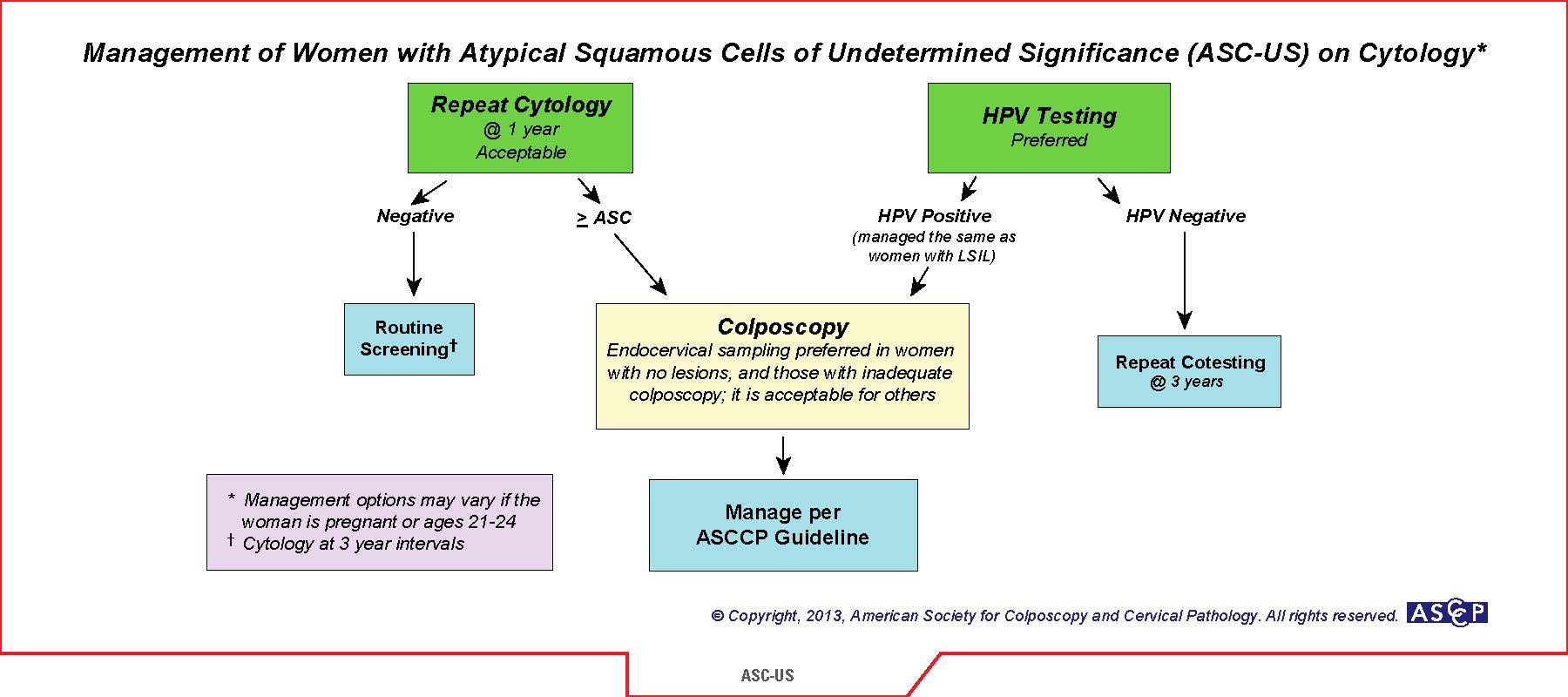
Atypical squamous cells of undetermined significance (ASC-US) is a common “abnormal” pap result.  The 2012 American Society of Clinical Pathologist (ASCP) recommend that women ages 21-29 should have routine cytology alone performed every 3 years as long as the results are normal.  If ASC-US results, then reflex HPV contesting is recommended.  If HPV (-), then return to routine cytology in 3 years.  If HPV (+), then proceed to colposcopy.  Another acceptable option is to have the patient return to clinic in 1 year for repeat pap.  If ASC-US (+) again, then proceed to colposcopy.  The logic is that most women in this age group clear any HPV infection without the need for colposcopy.  This is the safer choice if the patient is wanting to have more children to limit any complications of cervical incompetence.

ASCCP Management Guidelines_August 2014_Page_07

References

1)  American Society of Clinical Pathologists. Screening Guidelines. Available at: http://www.asccp.org/guidelines/screening-guidelines.


#8 – Gestational Hypertension


****Listen to the podcast by clicking here****


Definition of Gestation/Pregnancy-Induced Hypertension

  1. Any new onset (not previously diagnosed) of hypertension (SBP > 140mmHg and/or DBP > 90mmHg) at > 20 weeks gestation in the absence of proteinuria or new signs of end-organ damage
    1. Severe = SBP > 160mmHg and/or DBP > 110mmHg
  2. Documented on at least 2 occasions at least 4 hours apart

Epidemiology

  • 5-10% of all pregnancies
    • 6-17% of healthy nulliparous women
    • 2-4% of healthy multiparous women
  • 16% of all maternal deaths are related to hypertensive disorders

Pathophysiology

This is still unknown but several theories exist and include:

  • Maladaption to the normal physiologic changes of pregnancy
    • Increased blood volume
    • Elevated angiotensinogen from increased estrogen production
  • Abnormal trophoblast invasion of uterine blood vessels
    • Causes spiral arterioles to narrow
  • Immunologic intolerance between fetoplacental and maternal tissues

Risk Factors

  • Previous history of preeclampsia
  • Multifetal gestation
  • Overweight/obese
  • African-American

Fetal Well-being

  • Non-stress test and ultrasound should be performed upon diagnosis to assess fetal growth, fetal measurements, and amniotic fluid estimation and serially depending on severity.

Laboratory Evaluation

  • 24-hour urine collection for protein
    • > 300mg of protein = proteinuria
  • Platelet count
    • < 100,000 = thrombocytopenia
  • Liver Function Test
    • 2x transaminases = impaired liver function
  • Serum creatinine
    • > 1.1mg/dL = impaired renal function

Preeclampsia

  • Gestational hypertension with proteinuria and/or end-organ damage
    • Pulmonary edema, cerebral or visual disturbance, or any of the above laboratory abnormalities
  • 10-50% of women with gestation hypertension go on to develop preeclampsia within 5 weeks of diagnosis
  • Risk factors
    • Gestational hypertension diagnosed < 34 weeks gestation
    • Mean SBP > 135mmHg on 24-hour monitoring
    • Abnormal uterine artery Doppler
    • Elevated serum uric acid level (> 5.2mg/dL)

Management

Revolves around 3 main factors:

  1. Fetal growth and maturation
  2. Maternal and fetal benefits from early intervention
  3. Maternal and fetal risk from expectant management
HYPITAT

Broekhuijsen K, et al. Lancet. 2015;385(9986):2492-501.

HYPITAT-II Trial (HYPertension and Preeclampsia Intervention At Term)

  • 897 women diagnosed with non-severe gestational hypertension between 34-37 weeks gestation
  • Study group – delivery within 24-hours of diagnosis (induction or cesarean)
  • Control group – management until 37 weeks gestation
  • Results
    • 3% of control group vs 0% of study group developed at least one of the following:
      • Thromboembolic complications
      • HELLP syndrome
      • Eclampsia
      • Placental abruption
    • 3% of of study group developed neonatal respiratory distress syndrome vs 1.1% of control group

Non-severe (<160/110mmHg) and no preeclampsia

  • Screening
    • BP monitoring one or twice weekly with weekly assessment of proteinuria, platelet count, and liver enzymes
    • Weekly NST with sonographic estimation of amniotic fluid index
  • No evidence for starting antihypertensive therapy, unless patient has pre-existing end-organ dysfunction that could be worsened with hypertension (renal, cardiac, etc.)
  • Plan for delivery between 37-38 weeks

Severe (>160/110mmHg) and no preeclampsia

  • Same screening recommendations
  • Should be treated with antihypertensive therapy

Meds

  • Goals
    • No evidence of end-organ damage = < 160/110mmHg
    • Evidence of end-organ damage = < 140/90mmHg
  • Corticosteroids
    • Antenatal corticosteroids (23-34 weeks gestation) significantly reduces the risk of respiratory distress syndrome, intraventricular hemorrhage, and neonatal death
    • Promotes fetal lung maturity
      • Increases lecithin:sphingomyelin ratio
      • Accelerates development of type 1 and type II pneumocytes
        • Increases surfactant levels
      • Dosing
        • Betamethasone 12mg x 2 IM given 24 hours apart
        • Dexamethasone 6mg x 4 IM given 12 hours apart
      • Plan for delivery
        • Delivery between 34-36 weeks, unless preeclampsia develops

Preeclampsia

  • Severe preeclampsia is gestation hypertension with proteinuria AND one of the following:
    • Symptoms of CNS dysfunction
      • Photopsia, scotomata, cortical blindness, retinal vasospasm
      • Severe headache
      • AMS
    • Hepatic abnormality
      • RUQ pain or transaminases > 2x normal
    • SBP > 160mmHg or DBP > 110mmHg
    • Thrombocytopenia (<100k)
    • Renal abnormality (creatinine > 1.1mg/dL)
    • Pulmonary edema
  • Complications
complication

Hauth JC, et al. Obstet Gynecol. 200;95(1):24-8.

  • Management of severe disease
    • If > 34 weeks, immediate delivery
    • If > 24 weeks but < 34 weeks, hospitalize until delivery and consult high-risk maternal/fetal specialist for management and delivery decision based on risk/benefit
      • BP checks every 4 hours
      • Daily NST, twice weekly ultrasound for measurements, weekly umbilical artery doppler
      • Strict I&Os
      • CBC, creatinine, LFT twice weekly
      • Corticosteroids (if not already given)
    • If < 24 weeks, consider termination of pregnancy
      • < 20% fetal survival
  • Management of non-severe disease
    • Inpatient vs outpatient = no difference in outcomes
    • Bedrest
    • Office follow-up every 1-3 days
    • Weekly platelet count, creatinine, and LFTs
    • Delivery at 34-36 weeks
  • Intrapartum management
    • BP control
    • Seizure prophylaxis
      • Magnesium sulfate
        • 6g IV over 20min, followed by 2g/hr as infusion
        • Continued for 24 hours post-partum

Long-term Prognosis

  • 15% of women with gestational hypertension have persistent hypertension after 12 weeks post-partum
  • 22% of women will develop gestation hypertension again with subsequent pregnancies
  • Increased risk of cardiovascular disease, hyperlipidemia, kidney disease, and diabetes


References

1) ACOG Task Force on Hypertension in Pregnancy.  Obstetrics & Gynecology.  2013;122(5).

2) Hauth JC, Ewell MG, Levine RJ, et al. Pregnancy outcomes in healthy nulliparas who developed hypertension. Calcium for Preeclampsia Prevention Study Group. Obstet Gynecol. 2000;95(1):24-8.

3) Yoder SR, Thornburg LL, Bisognano JD. Hypertension in pregnancy and women of childbearing age. Am J Med. 2009;122(10):890-5.

4) Gaillard R, Steegers EA, Hofman A, Jaddoe VW. Associations of maternal obesity with blood pressure and the risks of gestational hypertensive disorders. The Generation R Study. J Hypertens. 2011;29(5):937-44.

5) Sibai BM. Diagnosis and management of gestational hypertension and preeclampsia. Obstet Gynecol. 2003;102(1):181-92.

6) Khan KS, Wojdyla D, Say L, Gülmezoglu AM, Van look PF. WHO analysis of causes of maternal death: a systematic review. Lancet. 2006;367(9516):1066-74.

7) Saudan P, Brown MA, Buddle ML, Jones M. Does gestational hypertension become pre-eclampsia?. Br J Obstet Gynaecol. 1998;105(11):1177-84.

8) Melamed N, Ray JG, Hladunewich M, Cox B, Kingdom JC. Gestational hypertension and preeclampsia: are they the same disease?. J Obstet Gynaecol Can. 2014;36(7):642-7.

9) Wu Y, Xiong X, Fraser WD, Luo ZC. Association of uric acid with progression to preeclampsia and development of adverse conditions in gestational hypertensive pregnancies. Am J Hypertens. 2012;25(6):711-7.

10) Broekhuijsen K, Van baaren GJ, Van pampus MG, et al. Immediate delivery versus expectant monitoring for hypertensive disorders of pregnancy between 34 and 37 weeks of gestation (HYPITAT-II): an open-label, randomised controlled trial. Lancet. 2015;385(9986):2492-501.

11) Spong CY, Mercer BM, D’alton M, Kilpatrick S, Blackwell S, Saade G. Timing of indicated late-preterm and early-term birth. Obstet Gynecol. 2011;118(2 Pt 1):323-33.

12) Roberts D, Dalziel S. Antenatal corticosteroids for accelerating fetal lung maturation for women at risk of preterm birth. Cochrane Database Syst Rev. 2006;(3):CD004454.

13) Carlo WA, Mcdonald SA, Fanaroff AA, et al. Association of antenatal corticosteroids with mortality and neurodevelopmental outcomes among infants born at 22 to 25 weeks’ gestation. JAMA. 2011;306(21):2348-58.

14) Bombrys AE, Barton JR, Nowacki EA, et al. Expectant management of severe preeclampsia at less than 27 weeks’ gestation: maternal and perinatal outcomes according to gestational age by weeks at onset of expectant management. Am J Obstet Gynecol. 2008;199(3):247.e1-6.

15) Sibai BM. Magnesium sulfate prophylaxis in preeclampsia: Lessons learned from recent trials. Am J Obstet Gynecol. 2004;190(6):1520-6.

16) Reiter L, Brown MA, Whitworth JA. Hypertension in pregnancy: the incidence of underlying renal disease and essential hypertension. Am J Kidney Dis. 1994;24(6):883-7.

17) Van oostwaard MF, Langenveld J, Schuit E, et al. Recurrence of hypertensive disorders of pregnancy: an individual patient data metaanalysis. Am J Obstet Gynecol. 2015;212(5):624.e1-17.

18) Hauth JC, Ewell MG, Levine RJ, et al. Pregnancy outcomes in healthy nulliparas who developed hypertension. Calcium for Preeclampsia Prevention Study Group. Obstet Gynecol. 2000;95(1):24-8.

OB/GYN Case #2

27yo G1P1001 presents to the gynecologist’s office to get established as a new patient and have her annual well woman examination performed.  She has had no GYN complaints over the past year and is not currently on her cycle.

Past Medical History

None

Medications

Ortho Tri-Cyclen

Past Obstetric History

38-week NSVD without complications

Past Gynecologic History

Age of menarch – 13

Coital debut – 17

Lifetime partners – 4

Cycles regular at 28-30 days and lasting for 3-5 days with mild/moderate bleeding

Last pap – 2014 and normal per patient No history of STI

Vital Signs

BP-124/75, HR-74, RR-14, O2-100%, Temp-99.1

Physical Exam

Abdomen – Soft, non-tender, non-distended

GU – no cervical motion tenderness, no adenexal tenderness

healthy-cercix

Pap Results

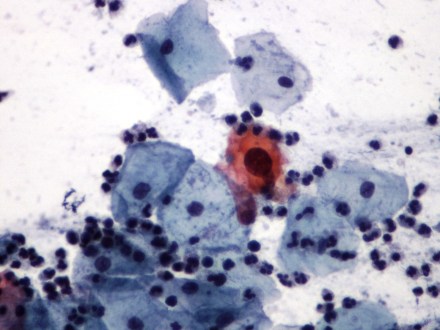
Atypical squamous cells of undetermined significance


Answer will be posted on 02/20


Answer to OB/GYN Case #1

Answers

Diagnosis: placenta previa

Management: ultrasound

Risk factors: hypertension is NOT a risk factor

Discussion

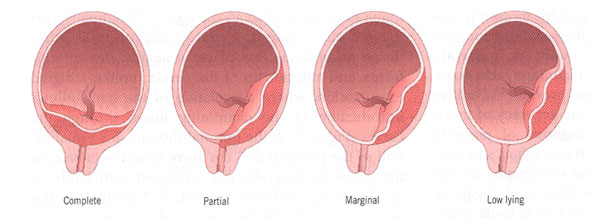
Placenta previa is a condition where the placenta has attached over the cervical os and can be complete, partial, marginal, or low-lying depending on the position.

previa

The hallmark of placenta previa is painless, 2nd trimester bleeding.  Ultrasound should always be performed prior to any speculum or digital exam to limit the risk of bleeding.

Risk factors for placenta previa include :

Previous placenta previa

Previous cesarean delivery (risk increases with an increasing number of cesarean deliveries)

Multiple gestation

Multiparity

Advanced maternal age

Infertility treatment

Previous abortion

Previous intrauterine surgical procedure

Maternal smoking

Maternal cocaine use

Male fetus

Non-white race

OB/GYN Case #1

30-year-old, 32 week gravid,  G5 P3013 female presents to clinic with vaginal bleeding.  She denies any contractions, leakage of fluid, or trauma.  She states that 4 weeks previously she engaged in vaginal intercourse with her husband and had some mild “spotting” that spontaneously resolved over the course of 24 hours.  BP-110/60, HR-97, RR-20, Temp-98.9o F, and O2 saturation 100% on room air.  Physical examination reveals a soft, non-tender abdomen with fundal height approximately 30cm from pubic symphasis.  Fetal heart tones are present and range from 140-150 bpm.

I will post the answer in 1 week.

#7 – Zika Virus

What is it?

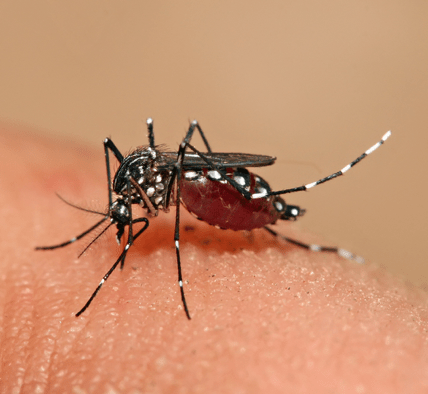
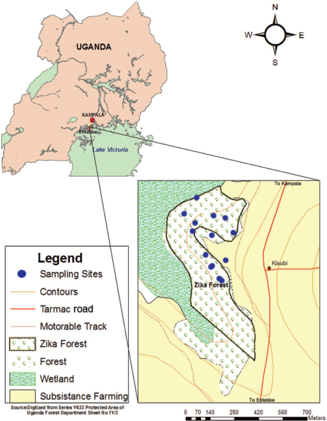
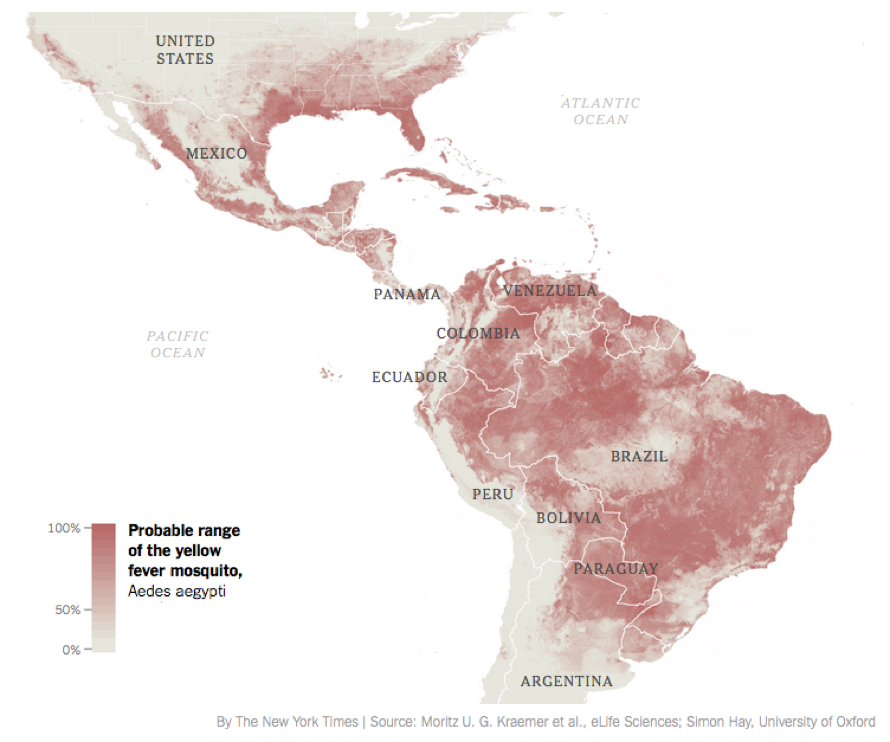
The Zika virus is a flavivirus that is related to yellow fever, dengue fever, West Nile, and Japanese encephalitis.  It was first discovered in 1947 in a rhesus monkey and is called “Zika” because it originated in the Zika forest in Uganda.  It is transmitted by the Aedes species of mosquitoes (which also carries dengue, chikungunya, and yellow fever).

Kaddumukasa MA. J of Medical Entomology. 2014;51(1):104-113

Kaddumukasa MA. J of Medical Entomology. 2014;51(1):104-113

Whats with all the noise?

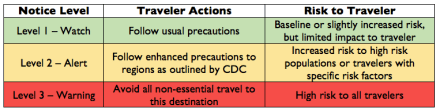
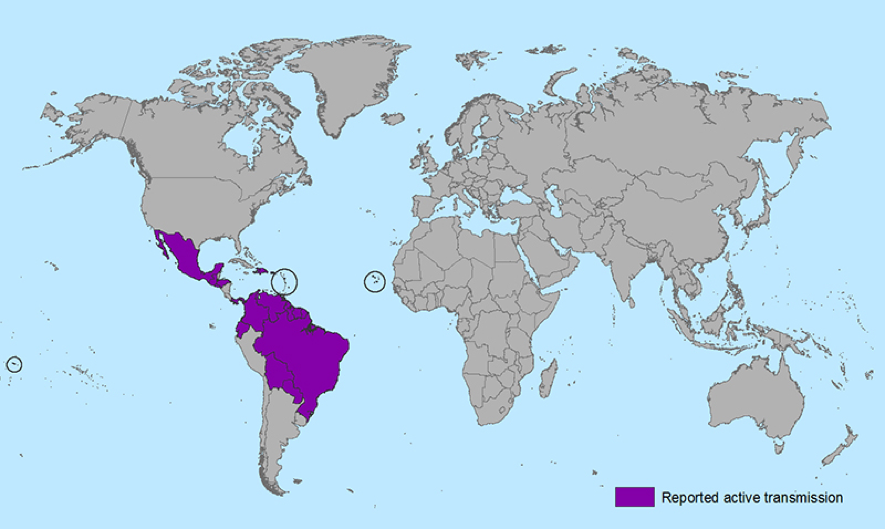
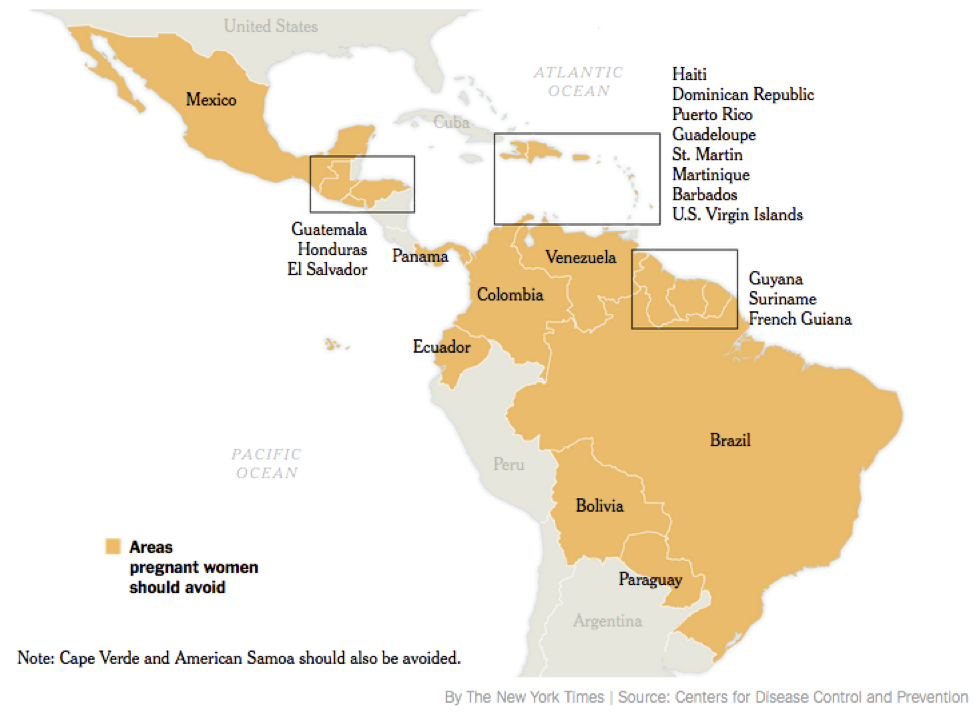
In May 2015, the Pan American Health Organization (PAHO) issued an alert regarding the first confirmed Zika virus infection in Brazil.  Since then, there have documented cases of Zika virus infections in 20 countries in North and South America.  Due to the threat and concern of transmission, the Center for Disease Control (CDC) issued a travel alert (Level 2-Practice Enhanced Precautions) for anyone traveling to these regions (see current list here).

Screen Shot 2016-02-01 at 11.48.58 AM

CDC Travel Alert Notice

Map2

CDC Map of Reported Active Transmission

Map3

McNeil DG. SHort Answers to Hard Questions About Zika. New York Times. 2016

Signs and Symptoms

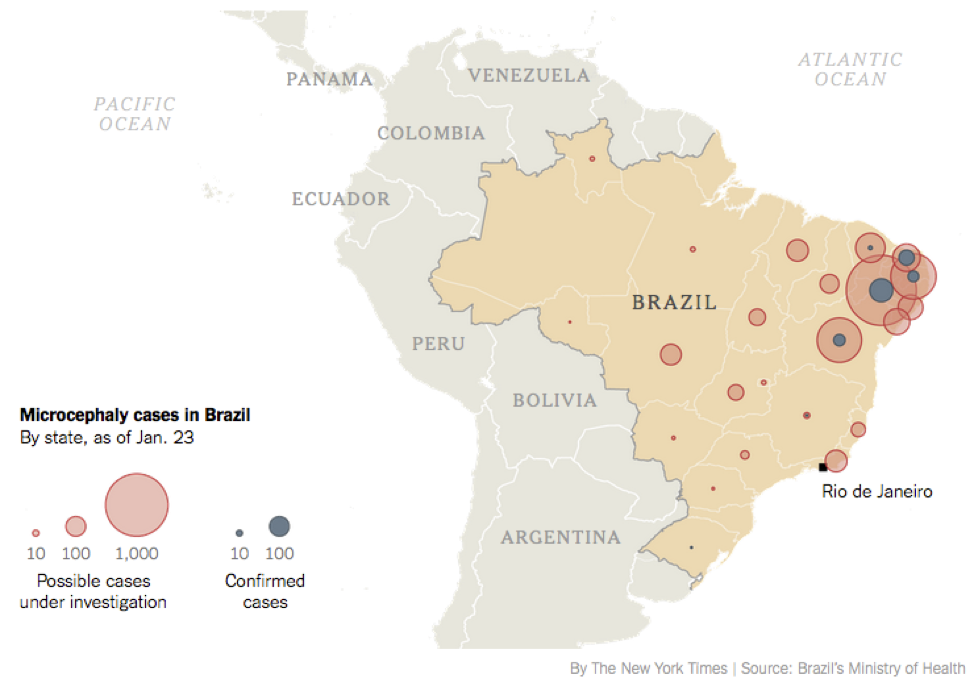
Only 1 in 5 people who become infected by the Zika virus develop symptoms, which are usually a mild viral prodromal syndrome (fever, rash, arthralgias, myalgias, conjunctivitis).  Serious manifestations can include Guillaine-Barre syndrome and congenital microcephaly.  Brazil has seen a 20-fold increase in number of cases of microcephaly from 2010 to 2014.  Since October 2015, there have been 4,180 suspected cases (average of ~150/yr) of microcephaly in Brazil, but only 700 mothers were tested for the virus with only 270 positive results.  The first case of microcephaly associated by the Zika virus on US soil was in Hawaii on January 15th, 2016 to a mother who lived in Brazil.

Map4

McNeil DG. Short Answers to Hard Questions About Zika. New York Times. 2016.

Because of the surge of microcephaly cases in an endemic region of Zika, the CDC is recommending that women who are pregnant, or are trying to become pregnant, should post-pone any travel to these regions.

Map5

McNeil DG. Short Answers to Hard Questions About Zika. New York Times. 2016.

Testing

Signs and symptoms of the acute Zika infection are very non-specific and the list of differential diagnoses is broad.  If a patient has any suspicious symptoms within one week of travel to any of the at-risk regions, testing should occur as the Zika virus has become a nationally notifiable condition by the CDC.  Testing includes reverse transcriptase-polymerase chain reaction (RT-PCR), virus-specific IgM and neutralizing antibodies and are only performed at the CDC Arbovirus Diagnostic Laboratory.  Clinicians should contact local health departments to facilitate obtaining the correct testing sample and expediting transfer to the lab.

Treatment and Prevention

There is no specific treatment for the Zika virus.  Treatment plans should be directed towards symptom relief and includes rest, oral rehydration, and acetaminophen for fever and pain relief.  Aspirin and other NSAIDs should be avoided until dengue fever can be ruled out to decrease the risk of hemorrhage.

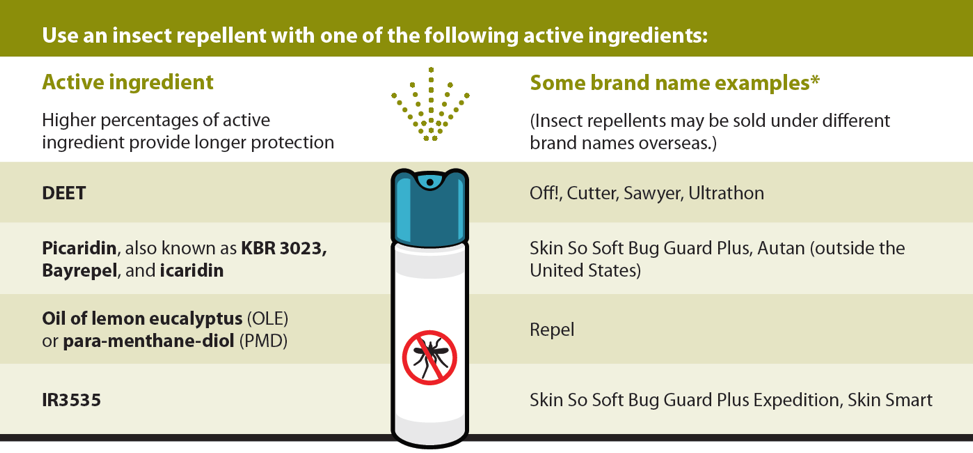
If travel must occur to endemic regions, patients should be advised to follow strict mosquito precautions to try to limit the exposure from the Aedes vector.  N,N-Diethyl-meta-toluamide (DEET), Picaridin, oil of lemon eucalyptus, and IR3535 are all recommended by the CDC and are safe in pregnancy.  There is no vaccine to the Zika virus yet, but preliminary works seem to be promising and early reports are pointing to the end of 2016 as a reasonable estimate for human trials to start.

Repellents

CDC Recommendations for Repellents

Bottom Line

For a PA practicing in the United States, this just adds to the list of traveler’s disease that you have to be hypervigilant about in patients with general complaints and recent travel to endemic regions.  By no means do we need to start screening every patient with viral symptoms for Zika.  But…if your patient has traveled to these regions, is pregnant, or may come into contact with patients who are pregnant, you should contact your local health department and screen them appropriately now that it is a nationally reportable disease.  You should also take appropriate quarantine precautions if your clinic/department also has pregnant patients to limit disease contact to the most at risk patients.  To date, there are no direct transmission cases of the virus (only the Aedes vector), but viruses can shift fast and it is better to be safer than sorry.

References

  1. Lucey DR, Gostin LO. The Emerging Zika Pandemic: Enhancing Preparedness. Published online January 27, 2016. doi:10.1001/jama.2016.0904.
  2. Kaddumukasa MA, Mutebi JP, Lutwama JJ, Masembe C, Akol AM. Mosquitoes of Zika Forest, Uganda: Species Composition and Relative Abundance.  J of Medical Entomology.  2014;51(1):104-113.
  3. (2016, January 29). In Wikipedia, The Free Encyclopedia. Retrieved 17:33, January 31, 2016, from https://en.wikipedia.org/w/index.php?title=Aedes&oldid=702307969
  4. Zika virus. Centers for Disease Control and Prevention Available at: http://www.cdc.gov/zika/.  Accessed February 1, 2016.
  5. Areas with Zika. Centers for Disease Control and Prevention Available at: http://www.cdc.gov/zika/geo/index.html. Accessed February 1, 2016.
  6. Brazil: 270 of 4,180 suspected microcephaly cases confirmed. The Big Story. Available at: http://bigstory.ap.org/article/25bba65de82b437080bedd4f9e229280/brazil-270-4120-suspected-microcephaly-cases-confirmed. Accessed February 1, 2016.
  7. Mcneil DG, Louis CS, St N. Short Answers to Hard Questions About Zika Virus. The New York Times Available at: http://www.nytimes.com/interactive/2016/health/what-is-zika-virus.html. Accessed February 1, 2016.
  8. Diagnostic Testing. Centers for Disease Control and Prevention Available at: http://www.cdc.gov/zika/hc-providers/diagnostic.html. Accessed February 1, 2016.
  9. Could We Have a Zika Vaccine Soon? NBC News. Available at: http://www.nbcnews.com/storyline/zika-virus-outbreak/could-we-have-zika-vaccine-soon-n507186. Accessed February 1, 2016.
  10. The Brazilian Doctors Who Sounded the Alarm on Zika and Microcephaly. WSJ. Available at: http://www.wsj.com/articles/the-brazilian-doctors-who-sounded-alarm-on-zika-and-microcephaly-1454109620?mod=e2tw. Accessed February 1, 2016.


Hypertension Review – JNC-8 and SPRINT

One of the more common conditions that is managed in all of medicine is hypertension.  The first Joint National Committee (JNC) recommendations were published in 1976 and have gone through 8 revisions, with the most recent being in 2014.  The interesting thing about the JNC 8 is that it took 11 years to get published (4-6 years for all the other updates).  Even then there is still some controversy surrounding its recommendations.

 Joint National Committee 8

Emphasis on randomized, controlled clinical trials to answer 3 key clinical questions:

  1. Does initiating antihypertensive pharmacologic therapy at specific blood pressure thresholds improve health outcomes?
    1. When to start
  2. Do attempts to reach specified blood pressure goals with antihypertensive pharmacologic therapy lead to improvements in health outcomes?
    1. What to shoot for
  3. Do various antihypertensive drugs or drug classes differ in regard to specific health outcomes?
    1. What to use

9 Graded Recommendations

  1. Adult patients 60 years of age or older, without specific comorbidities, should have antihypertensive medications initiated if SBP > 150 mmHg or DBP > 90 mmHg and treat to a goal SBP < 150 mmHg and DBP < 90 mmHg.
    1. Corollary
      1. If treated SBP < 140 mmHg is well tolerated and without adverse effects on health or quality of life, no adjustment is needed.
  2. Adult patients younger than 60 years of age, without specific comorbidities, should have antihypertensive medications initiation if DBP > 90 mmHg and treat to a goal DBP < 90 mmHg.
  3. Adult patients younger than 60 years of age, without specific comorbidities, should have antihypertensive medications initiation if SBP > 140 mmHg and treat to a goal SBP < 140 mmHg.
  4. Adult patients older than 18 years of age with chronic kidney disease should have antihypertensive medications initiated if SBP > 140 mmHg or DBP > 90 mmHg and goal should be SBP < 140 mmHg and DBP < 90 mmHg.
  5. Adult patients older than 18 years of age with diabetes should have antihypertensive medications initiated if SBP > 140 mmHg or DBP > 90 mmHg and goal should be SBP < 140 mmHg and DBP < 90 mmHg.
  6. Initial drug therapy for nonblack patients (including diabetic patients) should include a thiazide-type diuretic, calcium channel blocker, an ACEI, or ARB.
  7. Initial drug therapy for black patients (including diabetic patients) should include a thiazide-type diuretic or calcium channel blocker.
  8. Adult patients older than 18 years of age with chronic kidney disease, initial or additional therapy should include an ACEI or ARB, regardless of race or diabetic status.
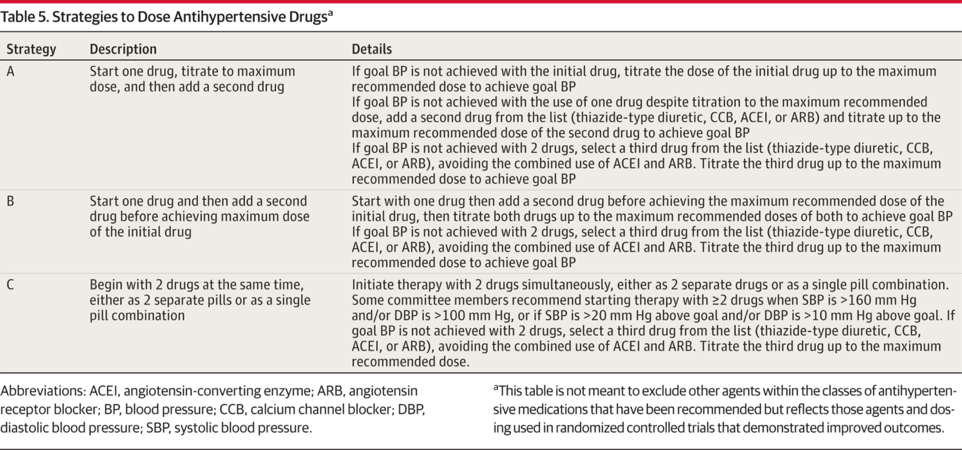
  9. If blood pressure goal is not achieved in one month, either increase dose of initial drug or add a second drug. A third drug should only be added if goal is not achieved with two medications.
    1. ACEI and ARB should not be used together


JNC8

JNC-8.  JAMA. 2014;311(5):507-520


JNC8 - Drugs

JNC-8.  JAMA.  2014;311(5):507-520


JNC8 - STrategy

JNC-8.  JAMA. 2014;311(5):507-520

JNC7 vs JNC8

 Systolic Blood Pressure Intervention Trial (SPRINT)

Published in November 2015 in New England Journal of Medicine

This was a multi-center randomized, controlled, open label clinical trial performed to evaluate a more intensive blood pressure strategy (SBP < 120 mmHg) in patients with high risk cardiovascular risk (excluding diabetes, previous stroke, symptomatic heart failure, proteinuria, or nursing home residents).  They used a primary composite outcome was first occurrence of AMI, other ACS, stroke, heart failure, or death from cardiovascular disease.

Participant criteria:

  • ≥ 50 years of age
  • SBP of 130-180 mmHg
  • Increased cardiovascular risk as defined by at least one of the following:
    • Clinical or subclinical cardiovascular disease other than stroke
    • Chronic kidney disease (excluding PCKD)
      • eGFR 20-60 mL/min
    • 10-year cardiovascular disease risk of ³ 15% using Framingham Score
    • ≥ 75 years of age

Treatment algorithm used all major classes of antihypertensives in no particular rank order. Participants were seen monthly for the first three months and every three months thereafter.  The median follow-up was 3.26 years, but the study was stopped early due to the benefit of treatment group by the data and safety monitoring board of the trial.


Outcomes

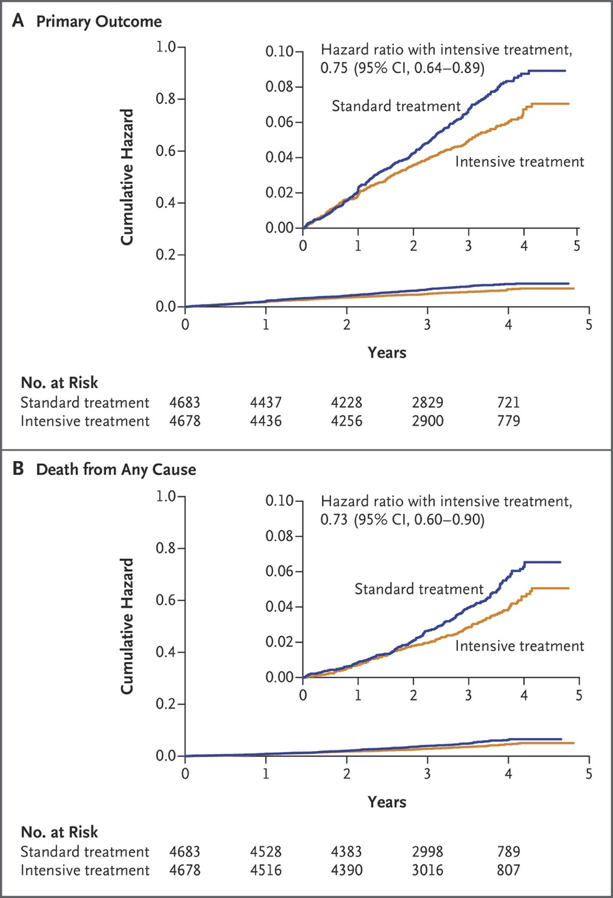
562 primary outcome events identified

  • 243 in the intensive group (1.65% per year)
  • 319 in the control group (2.19% per year)

Number needed to treat to prevent a primary outcome – 61

Number needed to treat to prevent death from any cause – 90

Number needed to treat to prevent death from cardiovascular causes – 172


Serious Adverse Events

1793 participants in intensive group (38.3%)

1736 participants in control group (37.1%)

Examples:

  • Hypotension
  • Syncope
  • Electrolyte abnormalities
  • Acute kidney injury
  • Injurious falls
  • Bradycardia


Discussion

25% lower relative risk of primary outcome in intensive group (5.2% vs 6.8%):

  • 38% lower relative risk of heart failure (1.3% vs 2.1%)
  • 43% lower relative risk of death from cardiovascular causes (0.8% vs 1.4%)
  • 27% lower relative risk of death from any cause (3.3% vs 4.5%)


SPRINT1

SPRINT Research Group. NEJM. 2015;373:2103-2116


SPRINT2

SPRINT Research Group.  NEJM. 2015;373:2103-2116

Should we be more aggressive in the SPRINT patient population?

(great review by Health News Review here)

First of all, this is only ONE study addressing a clinical question that has been extensively researched and we still don’t have good, reliable, reproducible results yet. See 2009 Cochrane Hypertension Review that stated blood pressure < 140/90 mmHg was not beneficial.

Second of all, the researchers seemed to down play the serious adverse events.  The author of the Health News Review put a nice table together and did a few extra EBM calculations (below) to help illustrate:

SPRINT-Table

125: Number needed to treat to prevent one case of heart failure.

167: Number needed to treat to prevent one death by cardiovascular causes

83: Number needed to treat to prevent death by any cause

100: Number needed to harm to cause one case of hypotension

167: Number needed to harm to cause one case of syncope

125: Number needed to harm to cause one case of electrolyte abnormality

56: Number needed to harm to cause one case of acute kidney injury or renal failure

42: Number needed to harm to cause one serious adverse event


So what I take away from the SPRINT study:

  1. This is data from a single study. Need more to change practice.
  2. Composite endpoints should be used with caution…especially since it was stopped early and may overestimate the benefit and underestimate the risk.
  3. Researchers used automated BP measurements which is shown to be lower (5-10 mmHg) than auscultated BP measurement. This alone could cause clinicians to intensify BP control and increase adverse events that weren’t needed.
  4. It doesn’t help us with patients with diabetes, previous stroke, symptomatic heart failure, or nursing home residents…which encompass a lot of patients being managed for hypertension.

References

  1. James PA, Oparil S, Carter BL, et al. 2014 evidence-based guideline for the management of high blood pressure in adults: report from the panel members appointed to the Eighth Joint National Committee (JNC 8). JAMA. 2014;311(5):507-20.
  2. Hernandez-Vila E. A review of the JNC 8 blood pressure guideline.  Tex Heart Inst J.  2015;42(3):226-228.
  3. The SPRINT Research Group. A randomized trial of intensive versus standard blood pressure control. N Engl J Med. 2015;373:2103-2116.