Ep-PAINE-nym


Brudziński’s Sign

Other Known Aliasesnone

Definitionforced flexion of the neck causes a reflex flexion of the hips
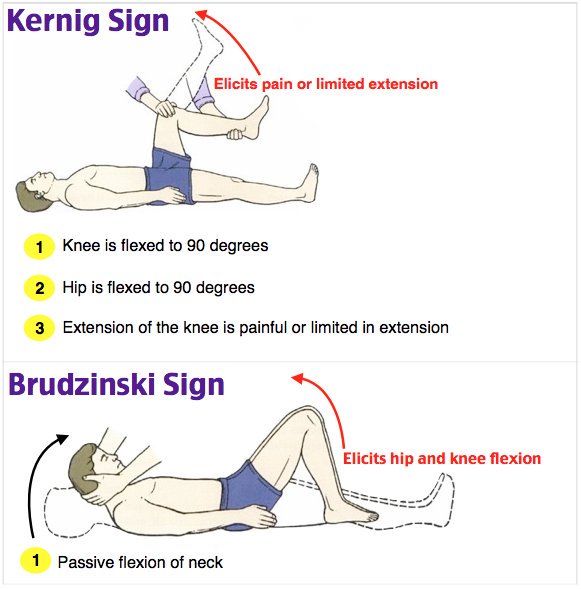
Clinical Significance This maneuver is due to meningeal irritation and inflammation and can be seen in meningitis, subarachnoid hemorrhage, and encephalitis. It is one of the two classic physical examination signs for bacterial meningitis, but does not have robust sensitivity nor specificity for the disease. It is now relegated to historical context.

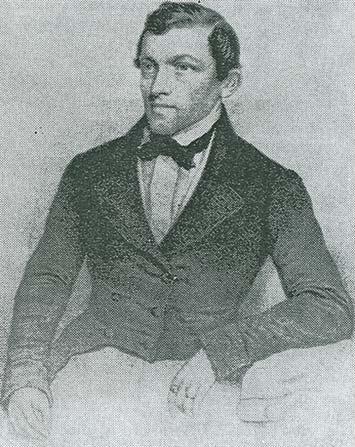
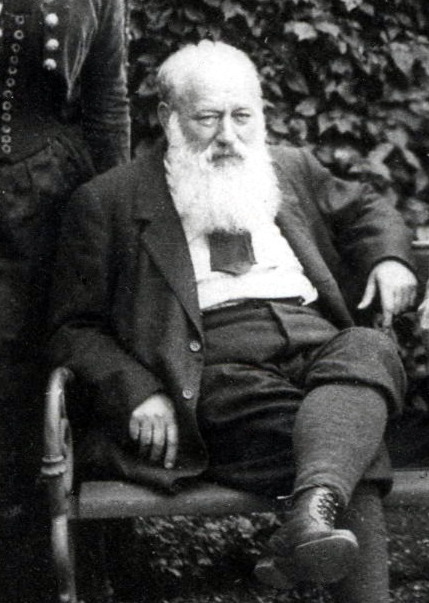
HistoryNamed after Józef Polikarp Brudiński (1874-1917), who was a Polish pediatrician and received his medical doctorate from the University of Moscow in 1897. He practiced at the Anne-Marie children’s hospital in Lodz and was a guiding figure in turning this institution into a model teaching hospital. In 1910, he then was able to design a children’s hospital in Warsaw with financial backing from philanthropist Sophie Szlenker. During this transition period, he also founded the first Polish journal of pediatrics. He best known for his work in pediatric infectious diseases and has his name attributed to several other physical examination findings in meningitis. His most famous was first described and published in 1909 in The Medical Archives for Infants.


References

  1. Firkin BG and Whitwirth JA.  Dictionary of Medical Eponyms. 2nd ed.  New York, NY; Parthenon Publishing Group. 1996.
  2. Bartolucci S, Forbis P.  Stedman’s Medical Eponyms.  2nd ed.  Baltimore, MD; LWW.  2005.
  3. Yee AJ, Pfiffner P. (2012).  Medical Eponyms (Version 1.4.2) [Mobile Application Software].  Retrieved http://itunes.apple.com.
  4. Whonamedit – dictionary of medical eponyms. http://www.whonamedit.com
  5. Up To Date. www.uptodate.com
  6. Mehndiratta M, Nayak R, Garg H, Kumar M, Pandey S. Appraisal of Kernig’s and Brudzinski’s sign in meningitis. Annals of Indian Academy of Neurology. 2012; 15(4):287-8. [pubmed]
  7. Thomas KE, Hasbun R, Jekel J, Quagliarello VJ. The diagnostic accuracy of Kernig’s sign, Brudzinski’s sign, and nuchal rigidity in adults with suspected meningitis. Clinical infectious diseases : an official publication of the Infectious Diseases Society of America. 2002; 35(1):46-52. [pubmed]
  8. J. Brudziñski. Un signe nouveau sur les membres inférieurs dans les méningites chez les enfants (signe de la nuque). Archives de médecine des enfants, Paris 1909, 12: 745-752.

PAINE #PANCE Pearl – Pulmonary


Question

57yo woman presents to her primary provider’s office with a three week history of increasing dyspnea. She has a history of hypertension, cardiovascular disease, and COPD. Chest xray is below.

What are the two broad classifications of this findings and how do you differentiate between the two?


Answer

The two main classifications of pleural effusions are transudative and exudative.

To differentiate between the two, the pleural fluid is sent to the lab for composition testing and compared to the serum. According to Light’s Criteria, the effusion is transudative if:

  • Pleural/Serum protein ratio < 0.5
  • Pleural/Serum LDH ratio < 0.6
  • Pleural LDH < 2/3 the upper limit of normal serum LDH

Ep-PAINE-nym


Morgagni Hernia

Other Known Aliasesnone

Definitionanterior or retrosternal congenital diaphragmatic hernia

Clinical SignificanceThis is a rare type of congenital diaphragmatic hernias seen in only 2% of cases. It occurs through the foramina of Morgagni immediately adjacent and posterior to the xiphoid process.

HistoryNamed after Giovanni Battista Morgagni (1682-1771), who was an Italian anatomist and received his medical and philosophy doctorate from the University of Bologna in 1701 at the age of 19. He had a passion for studying anatomy and trained as a prosector for Antonio Valsalva at the Santa Maria della Morte hospital in Bologna. His reputation grew during this time and he was invited all over Europe to write about and teach anatomy. His greatest work would be “De Sedibus et causis morborum per anatomem indagatis” (Of the seats and causes of diseases investigated through anatomy”. This was a five book, two volume tome of his life’s work and is regarded as one of the founding works for modern pathological anatomy….if not one of the most fundamentally important works in the history of medicine.


References

  1. Firkin BG and Whitwirth JA.  Dictionary of Medical Eponyms. 2nd ed.  New York, NY; Parthenon Publishing Group. 1996.
  2. Bartolucci S, Forbis P.  Stedman’s Medical Eponyms.  2nd ed.  Baltimore, MD; LWW.  2005.
  3. Yee AJ, Pfiffner P. (2012).  Medical Eponyms (Version 1.4.2) [Mobile Application Software].  Retrieved http://itunes.apple.com.
  4. Whonamedit – dictionary of medical eponyms. http://www.whonamedit.com
  5. Up To Date. www.uptodate.com
  6. Loukas M, El-Sedfy A, Tubbs RS, Gribben WB, Shoja MM, Cermakova A. Vincent Alexander Bochdalek (1801-1883). World journal of surgery. 2008; 32(10):2324-6. [pubmed]
  7. Bochdalek VA. Einige Betrachtungen über die Entstehung des angeborenen Zwerchfellbruches als Beitrag zur pathologischen Anatomie der Hernien. Vierteljahrschrift für die praktische Heilkunde. (Prag) 1848;19:89

PAINE #PANCE Pearl – Pulmonary


Question

57yo woman presents to her primary provider’s office with a three week history of increasing dyspnea. She has a history of hypertension, cardiovascular disease, and COPD. Chest xray is below.

What are the two broad classifications of this findings and how do you differentiate between the two?

Ep-PAINE-nym


Bochdalek Hernia

Other Known Aliasesnone

DefinitionPostero-lateral congenital diaphragmatic hernia

Clinical SignificanceThis type of congenital malformation can cause severe respiratory distress in a newborn as a result of compression on the lungs from herniated peritoneal contents. This is a surgical disease and infants are admitted to the NICU and supported via mechanical ventilation or ECMO until surgery can be planned.

HistoryNamed Vincent Bochdalek (1801-1883), who was a Bohemian anatomist and pathologist and received his medical doctorate from the University of Prague in 1833. He would later in his career return to his alma mater as a professor of anatomy for several decades where he earned is reputation as a prominent anatomist. He was a fervent advocate for establishing anatomy labs throughout Prague and was one of the founding physicians in the Prague School of Medicine. He was one of the pioneers in describing congenital diaphragmatic hernias in newborns and, unfortunately, there is little in the medical literature regarding him, but his eponym lives on. He published his extensive findings on his eponymous condition in 1848.


References

  1. Firkin BG and Whitwirth JA.  Dictionary of Medical Eponyms. 2nd ed.  New York, NY; Parthenon Publishing Group. 1996.
  2. Bartolucci S, Forbis P.  Stedman’s Medical Eponyms.  2nd ed.  Baltimore, MD; LWW.  2005.
  3. Yee AJ, Pfiffner P. (2012).  Medical Eponyms (Version 1.4.2) [Mobile Application Software].  Retrieved http://itunes.apple.com.
  4. Whonamedit – dictionary of medical eponyms. http://www.whonamedit.com
  5. Up To Date. www.uptodate.com
  6. Loukas M, El-Sedfy A, Tubbs RS, Gribben WB, Shoja MM, Cermakova A. Vincent Alexander Bochdalek (1801-1883). World journal of surgery. 2008; 32(10):2324-6. [pubmed]
  7. Bochdalek VA. Einige Betrachtungen über die Entstehung des angeborenen Zwerchfellbruches als Beitrag zur pathologischen Anatomie der Hernien. Vierteljahrschrift für die praktische Heilkunde. (Prag) 1848;19:89

Ep-PAINE-nym


Fascia of Scarpa

Other Known Aliasesdeep fascia of abdominal wall, stratum membranosum

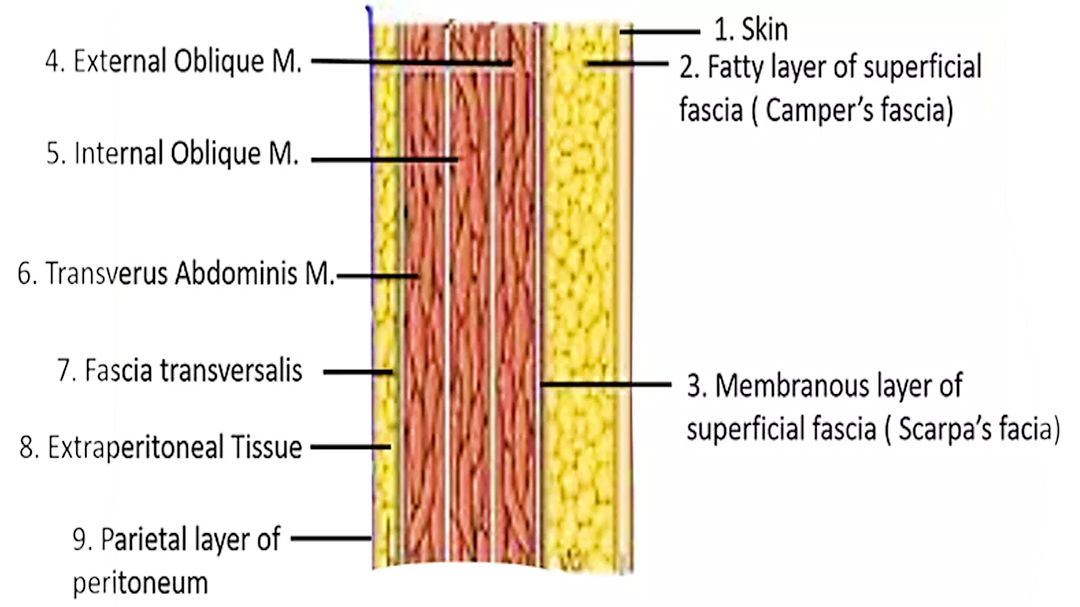
DefinitionThe membranous layer of the superficial abdominal fascia that is deep to the fascia of Camper and superficial to the external oblique muscle.

Clinical SignificanceThis is one of the classic nine abdominal layers you cut through when performing open abdominal procedures and is a favorite pimp question among general surgeons.

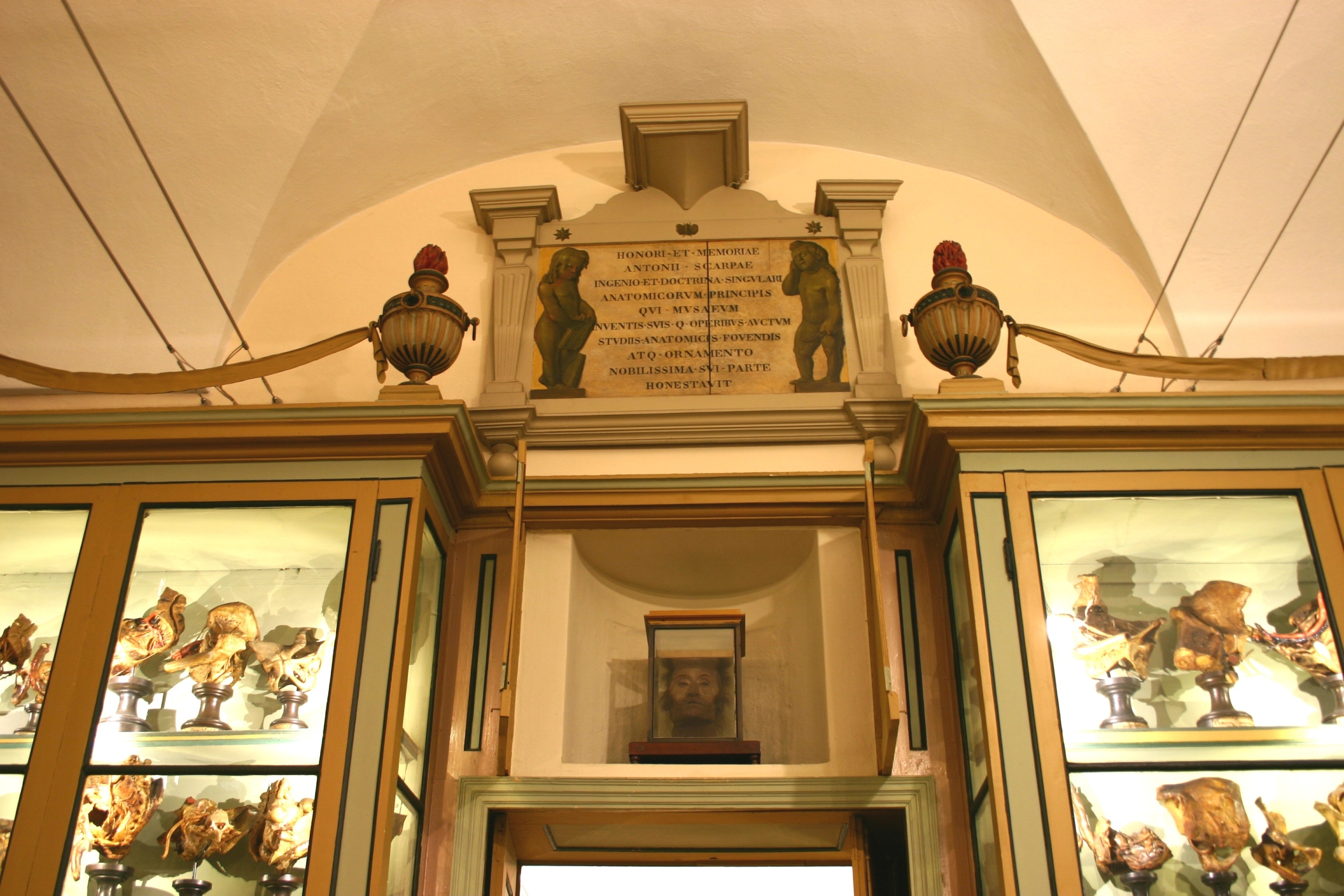
HistoryNamed after Antonio Scarpa (1752-1832), who was an Italian anatomist and professor and received his medical doctorate at the University of Padua at the age of 18. He held numerous professorships of anatomy throughout Italy. His Traité pratique des hernia of 1812 was the authoritative work on hernias and from which his eponym is derived. Unfortunately, his political views and ruthless nature as a nobleman tarnished his reputation (almost irrevocably) after his death from kidney stones in 1832. Statues were defaced and destroyed and, in an act of morbid homage, his head from removed from his cadaver and sent to the Institute of Anatomy in Bologna for exhibition. In fact, it is still on exhibition at the University History Museum in Pavia, Italy.


References

  1. Firkin BG and Whitwirth JA.  Dictionary of Medical Eponyms. 2nd ed.  New York, NY; Parthenon Publishing Group. 1996.
  2. Bartolucci S, Forbis P.  Stedman’s Medical Eponyms.  2nd ed.  Baltimore, MD; LWW.  2005.
  3. Yee AJ, Pfiffner P. (2012).  Medical Eponyms (Version 1.4.2) [Mobile Application Software].  Retrieved http://itunes.apple.com.
  4. Whonamedit – dictionary of medical eponyms. http://www.whonamedit.com
  5. Up To Date. www.uptodate.com

PAINE #PANCE Pearl – Surgery


Question

This is a classic surgery pimp question for 1st year clinical students:

What the nine (9) layers of the anterior abdominal wall you cut through during an open abdominal procedure?


Answer

There are nine layers to the anterior abdominal wall and they are (from superficial to deep):

  1. Skin
  2. Camper’s fascia
  3. Scarpa’s fascia
  4. External oblique
  5. Internal oblique
  6. Transversus abdominis
  7. Tranasversalis fascia
  8. Preperitoneal fat
  9. Peritoneum

Ep-PAINE-nym


Fascia of Camper

Other Known Aliasessuperficial fascia of abdominal wall

DefinitionThe fatty outer layer of the superficial abdominal fascia and is continuous with the superficial fascia of the thigh.

Clinical SignificanceThis is one of the classic nine abdominal layers you cut through when performing open abdominal procedures and is a favorite pimp question among general surgeons.

HistoryNamed after Petrus Camper (1722-1789), who was a Dutch physician and anatomist, and received both a PhD and medical doctorate from the University of Leiden in 1746 at the age of 24. He spent many years as a traveling doctor throughout Europe. He subsequently held positions as professorships of surgery and philosophy at Franeker University and University of Amsterdam. He was a scholar and gentleman throughout his illustrious career and made tremendous strides in the fields of human and veterinary medicine, anthropology, and the arts.

Camper’s Anatomy Lesson (1758)

References

  1. Firkin BG and Whitwirth JA.  Dictionary of Medical Eponyms. 2nd ed.  New York, NY; Parthenon Publishing Group. 1996.
  2. Bartolucci S, Forbis P.  Stedman’s Medical Eponyms.  2nd ed.  Baltimore, MD; LWW.  2005.
  3. Yee AJ, Pfiffner P. (2012).  Medical Eponyms (Version 1.4.2) [Mobile Application Software].  Retrieved http://itunes.apple.com.
  4. Whonamedit – dictionary of medical eponyms. http://www.whonamedit.com
  5. Up To Date. www.uptodate.com

Ep-PAINE-nym


Billroth I and II Operation

Other Known Aliasesgastroduodenostomy and gastrojejunostomy

DefinitionIn a Billroth I procedure, the distal stomach is removed and the distal stomach is connected with a end-to-end anastomosis to the duodenum. In a Billroth II procedure, the distal stomach is removed and connected with a side-to-side anastomosis to the jejunum.

Clinical SignificanceBoth of these procedures are used in distal gastric pathologies, including gastric cancer, recurrent peptic ulcer disease, large duodenal perforations, bleeding gastric ulcer, gastrointestinal stromal tumors, or corrosive stricture of the stomach. A Billroth I is generally preferred as it has less complications and restores normal GI continuity. A Billroth II is used to prevent undue tension on the anastomosis secondary to scarring.

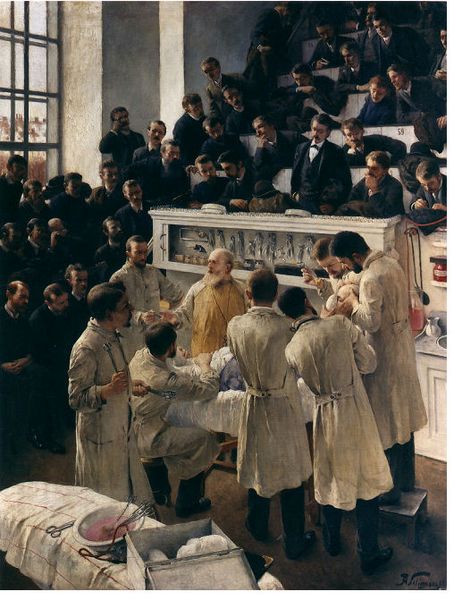
HistoryNamed after Christian Albert Theodor Billroth (1829-1894), who was an Austrian surgeon and generally regarded as the founding father of modern abdominal surgery. He received his medical doctorate from the Frederick William University of Berlin in 1852. His medical career was almost completely abandoned due to his love of music and was a close friend of Johannes Brahms. He became the Chair of Clinical Surgery at the University of Zurich in 1860. He was well known as a charismatic and infectious instructor, attracting students throughout Germany. It was at this post that he published is classic textbook Die allgemeine chirurgische Pathologie und Therapie (General Surgical Pathology and Therapy) in 1863. He was directly responsible for several landmark historical surgeries including:

  • 1872 – first to perform an esophagectomy
  • 1873 – first to perform an laryngectomy
  • 1876 – first to perform rectal cancer excision
  • 1881 – first to perform antrectomy for gastric cancer

Other notable mentions for Dr. Billroth is his early adoption of the “white coat” and surgical cleanliness. He also was an advocate for prolonged surgical apprenticeships following completion of medical studies and was the precursor to William Halsted’s pioneering residency program at Johns Hopkins


References

  1. Firkin BG and Whitwirth JA.  Dictionary of Medical Eponyms. 2nd ed.  New York, NY; Parthenon Publishing Group. 1996.
  2. Bartolucci S, Forbis P.  Stedman’s Medical Eponyms.  2nd ed.  Baltimore, MD; LWW.  2005.
  3. Yee AJ, Pfiffner P. (2012).  Medical Eponyms (Version 1.4.2) [Mobile Application Software].  Retrieved http://itunes.apple.com.
  4. Whonamedit – dictionary of medical eponyms. http://www.whonamedit.com
  5. Up To Date. www.uptodate.com
  6. Kazi RA, Peter RE. Christian Albert Theodor Billroth: master of surgery. Journal of postgraduate medicine. ; 50(1):82-3. [pubmed]