Ep-PAINE-nym


Aicardi Syndrome

DefinitionCongenital syndrome with three main features:

  1. Agenesis or dysgenesis of the corpus callosum
  2. Infantile spasms and/or epilepsy
  3. Chorioretinal lacunae

Clinical Significance Occurs almost exclusively in females and clinical findings can include:

  • Asymmetry of cerebrum
  • Ventricular cysts
  • Microcephaly
  • Severe developmental delay and disability
  • Ocular abnormalities (microphthalmia, colobomo)
  • Short philtrum with flat nose and upturned ears
  • Sparse eyebrows
  • Small hands
  • Spinal abnormalities

History – Named after Dr. Jean Fraçois Marie Aicardi, who is a French pediatrician, and first published and described this disorder in two girls in 1965.


References

  1. Firkin BG and Whitwirth JA.  Dictionary of Medical Eponyms. 2nd ed.  New York, NY; Parthenon Publishing Group. 1996.
  2. Bartolucci S, Forbis P.  Stedman’s Medical Eponyms.  2nd ed.  Baltimore, MD; LWW.  2005.
  3. Yee AJ, Pfiffner P. (2012).  Medical Eponyms (Version 1.4.2) [Mobile Application Software].  Retrieved http://itunes.apple.com.
  4. Whonamedit – dictionary of medical eponyms. http://www.whonamedit.com/
  5. J. Aicardi, J. Lefebvre, A. Lerique-Koechlin. A new syndrome: Spasm in flexion, callosal agenesis, ocular abnormalities. Electroencephalography and Clinical Neurophysiology. 1965;19:609-610.

#29 – Review of Transfusion Medicine with Michelle Brown


***LISTEN TO THE PODCAST HERE***


Guest

Michelle Brown, PhD, MS, MLS(ASCP)SBB

Assistant Professor and Director, Healthcare Simulation Graduate Program

University of Alabama at Birmingham


Transfusion Statistics

According to the American Red Cross:

  • Someone in the US needs blood every 2 seconds
  • 36,000 units PRBC, 10,000 units of FFP, and 7,000 units of platelets are transfused every day in the US
  • Over 21 million blood components are transfused each year in the US, but only 13.6 million are collected

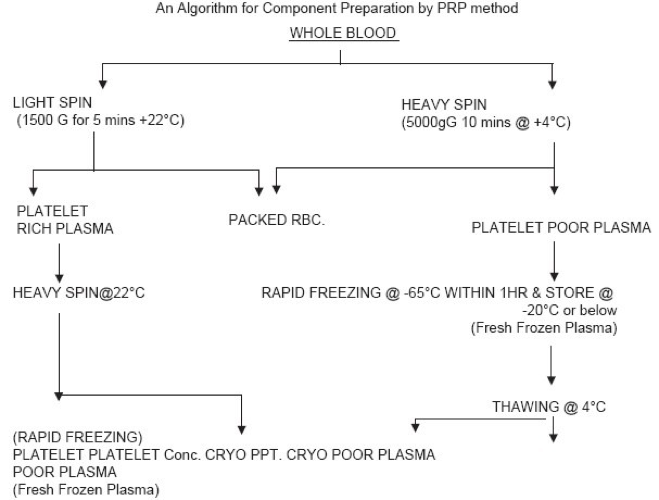
Process of Separation

When a person donates blood, 1 pint of whole blood is removed and then needs to be separated into its components for longer shelf life and targeted treatments.  There are 2 processes on how this occurs:

  • Platelet-Rich Process (PRP)
    • Easier, cheaper, but plasma/platelet yield is lower
    • BC Method
      • Complicated, but higher yield of plasma/platelet
  • Once the separation occurs, then the components can be treated with additives to help with viability and longevity. In the case of FFP and cryo, it is frozen to maintain potency of coagulation factors.


Packed Red Blood Cells

  • Facts
    • One unit of PRBC = 300cc
    • Hematocrit = 55-80%
    • One of PRBC should raise hemoglobin by 1g/dL and hematocrit by 3%
  • Storage Considerations
    • Can be stored for up to 42 days
    • Treated with citrate to prevent clotting
  • Indications for Transfusion
    • Recommendations from 2016 AABB Guidelines
      • ***To pair with patient symptoms***
      • Hemodynamically-stable, restrictive threshold = Hgb < 7g/dL
      • Orthopaedic surgery, cardiac surgery, or patients with CV = Hgb < 8g/dL
  • Complications
    • Hypocalcemia
    • Transfusion reactions
    • Alloimmunization

Fresh Frozen Plasma

  • Facts
    • 1 unit of FFP = 250cc
    • Contains all coagulation factors
    • Has an INR ~ 1.6
  • Storage Considerations
    • Frozen to -18-30oC within 8 hours of collection
      • Takes 10-30 minutes to thaw
    • Properly stored for up to 1 year
    • Must be used within 5 days after thawing
  • Indications for Transfusion
    • Vitamin K factor deficiency
      • Supratherapeutic vitamin K antagonist therapy
      • Liver disease
      • Massive transfusion protocol
    • DIC
    • TTP
  • Not indicated for hypovolemia and low BP
  • Complications
    • Male only plasma à decreases in TRALI

Cyoprecipitate

  • Facts
    • Precipitant that forms after FFP is frozen and thawed at 4oC
    • 1 unit of cryoprecipitate = 10-20cc
    • Contains fibrinogen, factor VIII, XIII, and vWF
  • Storage
    • Re-frozen at -18oC
      • Takes 10-30 minutes to thaw
    • Stored for up to 1 year
    • Only good for 4 hours once thawed and pooled, so order only when you need to transfuse
  • Indications for Transfusion
    • Low fibrinogen due to:
      • DIC
      • Liver disease
      • Uremia
      • Inherited disorders of fibrinogen
  • Complications
    • Same as other blood products

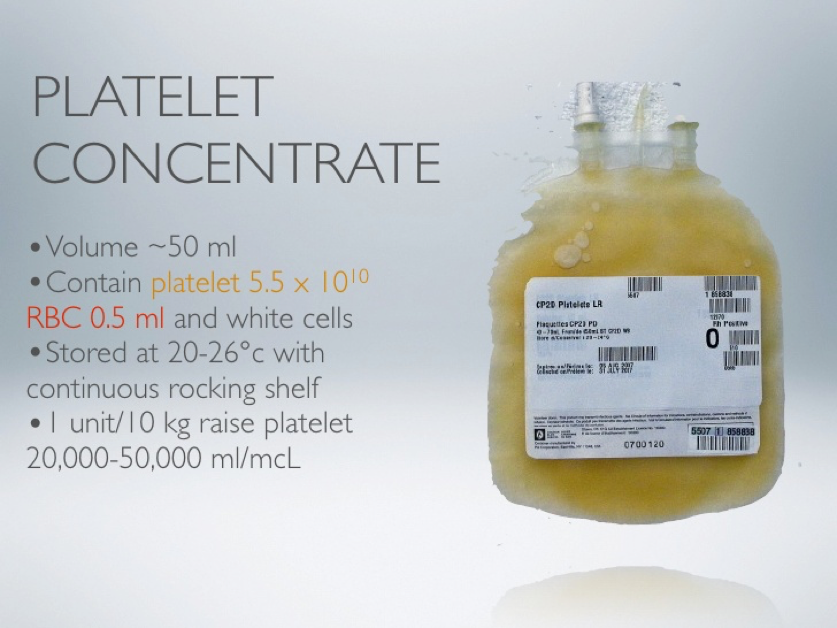
Platelets

  • Facts
    • 2 collection types
      • Pooled
        • Centrifuged down from whole blood
        • Combined with other donors
      • Apheresis (single donor)
        • Platelets collected from donor and RBC and plasma returned
        • Allows matching
      • Volume ~300cc
      • Six-pack of pooled or one unit of apheresed platelet should raise platelet count by 30-60,000/uL
  • Storage
    • Stored at room temperature because cold induces clustering of vWF receptor
    • Only a 5-day shelf life
  • Indications for Transfusion
    • Actively bleeding patients with thrombocytopenia
    • Prevention of spontaneous bleeding
      • Varies depending on clinical condition
      • < 10,000/uL
      • No longer recommended to transfuse prophylactically when patient is on bypass – only is patient exhibits bleeding w/ thrombocytopenia or plt dysfunction
    • Preparation for invasive procedures:
      • Neurosurgery or ocular surgery – 100,000/uL
      • Most major surgery – 50,000/uL
      • Central line placement – 20,000/uL
      • Lumbar puncture – 50,000/uL
      • Epidural anesthesia – 80,000/uL
  • Complications
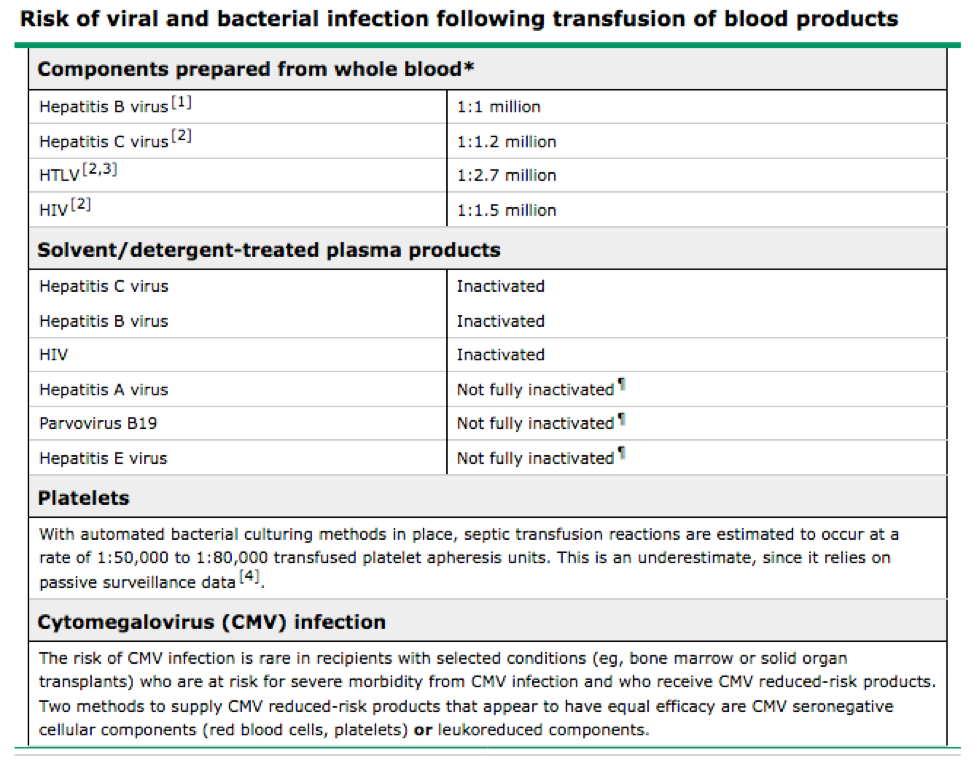
    • Increased infection risk


Component Modification Techniques

Leukoreduction

  • Indicated for:
    • Chronically transfused patients
    • Solid organ or bone marrow transplant patients
    • Previous febrile non-hemolytic reaction

Irradiated

  • Irradiation inactivates lymphocytes
  • Decreased risk of Graft-versus-host disease in immunocompromised patients
  • Reduces shelf life to 28 days

Washed

  • Rinsing serum proteins away prior to transfusions
  • Indicated for severe or recurrent allergic reactions and IgA deficiency
  • Indicated if a patient (especially neonate) is hyperkalemic

CMV-Negative

  • Indicated for immunocompromised patients

Transfusion Related Complications


References

  1. American Red Cross. Blood Facts and Statistics.  http://www.redcrossblood.org/learn-about-blood/blood-facts-and-statistics.  Accessed 03/23/2017.
  2. Brown MR, Jennings PR. Avoiding overtransfusion: an update on risks and latest indications. JAAPA. 2012;25(8):42-5. [pubmed]
  3. Basu D, Kulkarni R. Overview of blood components and their preparation.  Indian J Anaesth.  2014;58(5):529-537. [pubmed]
  4. Carson JL, Guyatt G, Heddle NM. Clinical Practice Guidelines From the AABB: Red Blood Cell Transfusion Thresholds and Storage. JAMA. 2016;316(19):2025-2035. [pubmed]
  5. Life In The Fastlane. Fresh Frozen Plasma.  https://lifeinthefastlane.com/ccc/fresh-frozen-plasma-ffp/.  Accessed 03/23/2017.
  6. Roback JD, Caldwell S, Carson J. Evidence-based practice guidelines for plasma transfusion. Transfusion. 2010;50(6):1227-39. [pubmed]
  7. Kaufman RM, Djulbegovic B, Gernsheimer T. Platelet transfusion: a clinical practice guideline from the AABB. Annals of internal medicine. 2015;162(3):205-13. [pubmed]
  8. Sharma S, Sharma P, Tyler LN. Transfusion of blood and blood products: indications and complications. American family physician. 2011;83(6):719-24. [pubmed]
  9. Takpradit K. Rational use of Blood Components.    https://www.slideshare.net/tarlabgab/rational-use-of-blood-component/16.  Accessed 03/23/2017.

PAINE #PANCE Pearl – Hematology/Oncology


Question

What is the scoring system used to grade Hodgkin’s Lymphoma and what are the different stages?


Answer

The Ann Arbor staging system with Cotswolds modifications is the current staging system used for patients with Hodkin’s Lymphoma.  There has been a meeting a subsequent meeting in Lugano, Switzerland in 2014, but those recommendations are controversial and not universally used.  The Ann Arbor staging system has four stages based on:

  • The sites of lymph node involvement
  • Extent of systemic disease

Image result for ann arbor staging

Image result for ann arbor staging


References

  1. Lister TA, Crowther D, Sutcliffe SB. Report of a committee convened to discuss the evaluation and staging of patients with Hodgkin’s disease: Cotswolds meeting. Journal of Clinical Oncology. 1989;7(11):1630-6. [pubmed]
  2. Cheson BD, Fisher RI, Barrington SF. Recommendations for initial evaluation, staging, and response assessment of Hodgkin and non-Hodgkin lymphoma: the Lugano classification. Journal of Clinical Oncology. 2014;32(27):3059-68. [pubmed]

#28 – Complications of Chemotherapy with Chip Lange from TOTAL EM


***LISTEN TO THE PODCAST HERE***


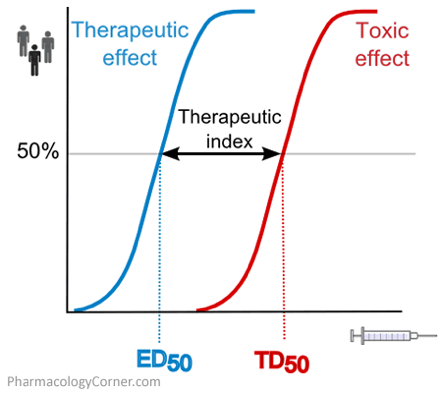
Therapeutic Index

This is the balance between toxic and therapeutic dosing of pharmacotherapeutic agents, and can be described as the relationship between underdosing (seeing no effect), effective dosing (achieving desired results), and overdosing (having toxic complications).  Specifically, it is the difference between the toxic dose for 50% of the population and the effective dose for 50% of the population.

Types of Chemotherapy

Direct DNA-Interacting Agents

  • Alkylating
    • Cyclophosphamide
    • Cisplatin
    • Carboplatin
  • Antitumor Antibiotics and Topoisomerase Poisons
    • Bleomycin
    • Doxorubicin

Indirect DNA-Interacting Agents

  • Antimetabolites
    • 5-Fluorouracil (5FU)
    • Methotrexate
    • 6-mercaptopurine (6MP)
    • Azithropine

Antimitotic Agents

  • Vincristine
  • Paclitaxel

Hormone Receptor-Targeted Agents

  • Tamoxifen
  • Diethylstilbestrol

Protein Kinase Antagonists

  • Imatinib
  • Gefitinib

Multikinase Inhibitors

  • Sorafenib

Proteasome Inhibitors

  • Bortezomib

Histone Deacetylase Inhibitors

  • Vorinostat

mTOR Inhibitors

  • Everolimus

Complications of Chemotherapy


Myelosuppression

By definition, chemotherapy is designed to destroy mature, cancer cells, so it only makes sense that bone marrow suppression is affected.  The most dreaded complication associated with myelosuppression is acquired neutropenia.  This can occur anywhere from 2-6 weeks after chemotherapy and the only presenting sign that something is wrong is a febrile episode (>38oC).

Definition of neutropenia is an absolute neutrophil count (ANC) < 1500 cells/microL.  This can be automatically calculated by most labs, but it is calculated as follows:


ANC = WBC x 10(%PMN + %Bands)


Risk assessment is done via the Multinational Association for Supportive Care in Cancer (MASCC) index:
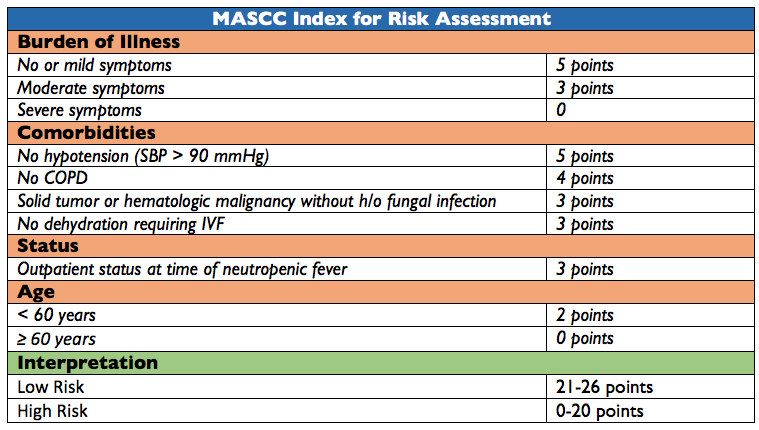
Neutropenic patients are at an increased risk of infection due to the inefficiency, or absence, of circulating WBC to combat infection.  The management of neutropenic patients should include

  • Immediate contact precautions
    • Providers and visits
    • Gowns, gloves, hats, masks
  • Broad spectrum antibiotics for duration of neutropenia
    • Low Risk
      • Outpatient oral antibiotics
        • Ciprofloxacin + amoxicillin/clavuanate
    • High risk
      • Initial management is monotherapy with antipseudomonal agent:
        • Pipercillin/tazobactam
        • Meropenem
        • Cefepime
        • Imipenem
        • Ceftazidime
      • May add other agents if clinical scenario suggests:
        • Vancomycin
        • Metronidazole
        • Antivirals
        • Antifungals


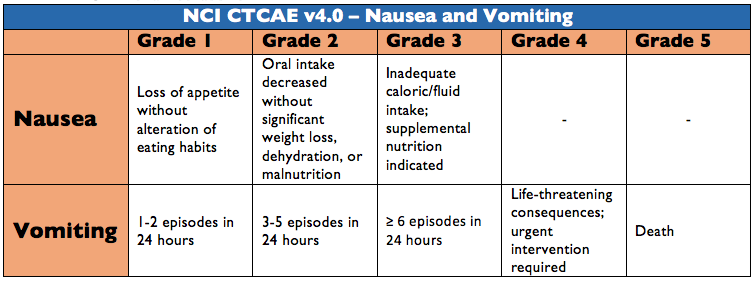
Nausea and Vomiting

N/V associated with chemotherapy can be acute (<24hr), delayed (>24hrs), or even anticipatory.  Chemoprophylaxis for N/V is based on risk and broken down into highly emetogenic, moderately emetogenic, low emetogenic, and minimally emetogenic therapies.  Treatment revolves around some combination of:

  • Neurokinin 1 Receptor Antagonist (NK1)
    • Aprepitant
    • Fosaprepitant
    • Rolapitant
  • 5-hydroxytryptamine-3 Antagonist (5-HT3)
    • Ondansetron
    • Palonosetron
    • Granistron
  • Glucocorticoid
    • Dexamethasone


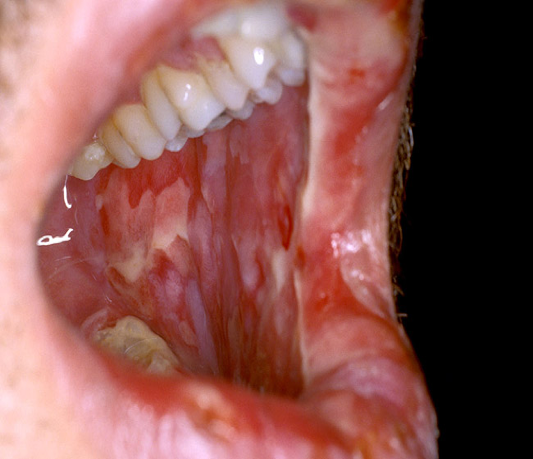
Mucositis

Profound inflammatory process of the mucous membranes and is characterized by:

  • Initiation of insult (chemo)
  • Upregulation/Generation of messenger signals and proinflammatory cytokines
  • Signaling and Amplification
    • Damage of tissue by cytokines is amplified via feedback loops
  • Ulceration and inflammation
  • Healing


Symptoms generally start to begin after day 7 and can range from mild inflammation to complete ulceration and inability to take anything PO.  Epithelial sloughing after ulceration can produce the classic pseudomembane appearance.  This desquamation can now lead to bacterial translocation in an already immunocompromised host.


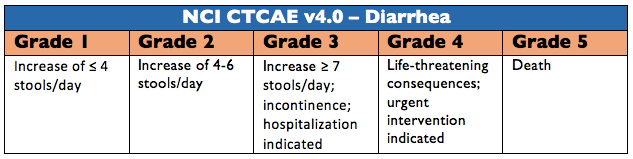
Diarrhea

3 main mechanisms that cause chemotherapy-related diarrhea:

  • Secretory Diarrhea
    • Increased intraluminal secretion of electrolytes from epithelial damage
  • Osmotic Diarrhea
    • Increased intraluminal osmotic substances from brush border damage
  • Altered GI motility
    • Increased peristalsis and emptying

Different types of colitis syndromes may also occur and cause diarrhea:

  • Neutropenic entrocolitis
    • A form of necrotizing enterocolitis, or typhlitis
  • Ischemic colitis
    • Associated with docetaxel regimens
  • Diff associated colitis

Outpatient management can be:

  • Loperamide 4mg initial dose followed by 2mg every 2-4 hours
  • Octreotide 100-150 mcg SQ every 8 hours (can increase to 500-1500 mcg/dose)

Inpatient/Emergency management:

  • Octreotide 25-50 mcg/hour infusion

Tumor Lysis Syndrome
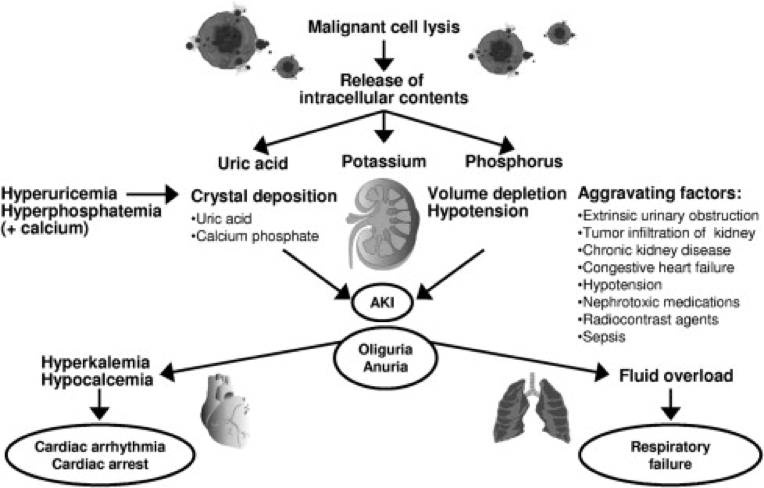
Occurs after massive tumor cell lysis (most commonly with high-grade lymphomas and ALL) and can cause the following biochemical abnormalities:

  • Hyperuricemia
    • Can cause uric acid nephropathy and AKI
  • Hyperkalemia
    • From the lysis and intracellular distribution
  • Hyperphosphatemia
    • Can cause calcium phosphate deposition in the renal tubules and precipitate AKI
  • Hypocalcemia
    • Hyperphosphatemia causes significant hypocalcemia and can precipitate dysrhythmias


The Cairo-Bishop scale is used for grading severity of disease:

Diagnosis can be made with 2 or more laboratory abnormalities, or one laboratory abnormality and one clinical abnormality.

Treatment is multitiered and consists of:

  • Fluid resuscitation
  • Electrolyte correction
  • Renal protection
  • Rasburicase – oxidizes uric acid

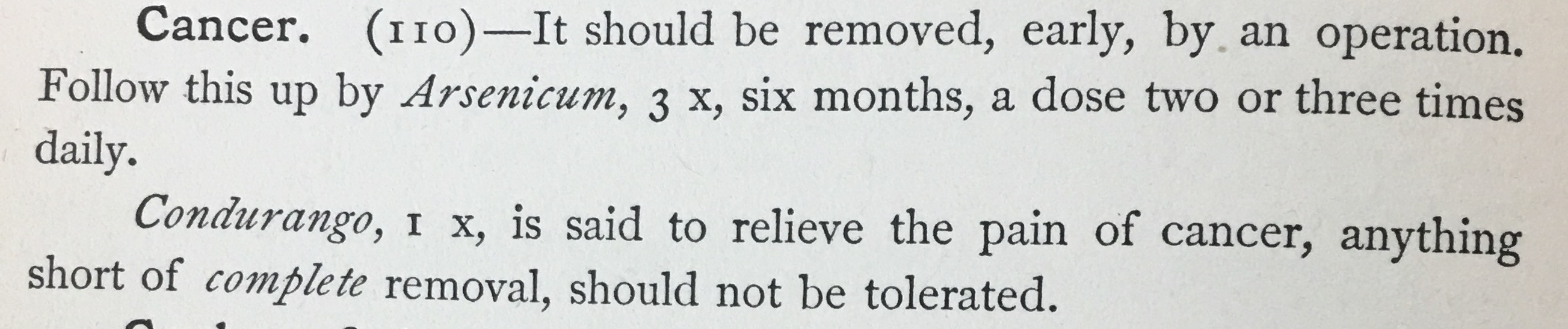
Cottage Physician

References

  1. Information for Health Care Providers. (2016, December 14). Retrieved February 27, 2017, from https://www.cdc.gov/cancer/preventinfections/providers.htm
  2. Sausville EA, Longo DL. Principles of Cancer Treatment. In: Kasper D, Fauci A, Hauser S, Longo D, Jameson J, Loscalzo J. eds. Harrison’s Principles of Internal Medicine, 19e New York, NY: McGraw-Hill; 2014. http://accessmedicine.mhmedical.com/content.aspx?bookid=1130&sectionid=71748332. (Accessed February 27, 2017).
  3. Freifeld AG, Bow EJ, Sepkowitz KA. Clinical practice guideline for the use of antimicrobial agents in neutropenic patients with cancer: 2010 update by the infectious diseases society of America. Clinical Infectious Diseases : an official publication of the Infectious Diseases Society of America. 2011;52(4):e56-93. [pubmed]
  4. Klastersky J, Paesmans M, Rubenstein EB. The Multinational Association for Supportive Care in Cancer risk index: A multinational scoring system for identifying low-risk febrile neutropenic cancer patients. Journal of Clinical Oncology : official journal of the American Society of Clinical Oncology. 2000;18(16):3038-51. [pubmed]
  5. Hesketh PJ, Kris MG, Grunberg SM. Proposal for classifying the acute emetogenicity of cancer chemotherapy. Journal of Clinical Oncology : official journal of the American Society of Clinical Oncology. 1997;15(1):103-9. [pubmed]
  6. Hesketh PJ, Bohlke K, Lyman GH. Antiemetics: American Society of Clinical Oncology Focused Guideline Update. Journal of Clinical Oncology : official journal of the American Society of Clinical Oncology. 2016;34(4):381-6. [pubmed]
  7. Roila F, Molassiotis A, Herrstedt J. 2016 MASCC and ESMO guideline update for the prevention of chemotherapy- and radiotherapy-induced nausea and vomiting and of nausea and vomiting in advanced cancer patients. Annals of Oncology : official journal of the European Society for Medical Oncology. 2016;27(suppl 5):v119-v133. [pubmed]
  8. Sonis ST, Elting LS, Keefe D. Perspectives on cancer therapy-induced mucosal injury: pathogenesis, measurement, epidemiology, and consequences for patients. Cancer. 2004;100(9 Suppl):1995-2025. [pubmed]
  9. Sonis ST. The pathobiology of mucositis. Nature reviews. Cancer. 2004;4(4):277-84. [pubmed]
  10. Common Terminology Criteria for Adverse Events (CTCAE), Version 4.0, June 2010, National Institutes of Health, National Cancer Institute. Available at: http://evs.nci.nih.gov/ftp1/CTCAE/CTCAE_4.03_2010-06-14_QuickReference_5x7.pdf (Accessed February 27, 2017).
  11. Benson AB, Ajani JA, Catalano RB. Recommended guidelines for the treatment of cancer treatment-induced diarrhea. Journal of Clinical Oncology : official journal of the American Society of Clinical Oncology. 2004;22(14):2918-26. [pubmed]
  12. Hande KR, Garrow GC. Acute tumor lysis syndrome in patients with high-grade non-Hodgkin’s lymphoma. The American Journal of Medicine. 1993;94(2):133-9. [pubmed]
  13. Cairo MS, Bishop M. Tumour lysis syndrome: new therapeutic strategies and classification. British journal of haematology. 2004;127(1):3-11.  [pubmed]

PAINE #PANCE Pearl – Hematology


31-year-old female, with a history of controlled SLE, presents to your office with a 2 week history of headache, weakness, dizziness, and nausea.  She also reports a new rash on her legs that is non-pruritic.  She denies any recent illnesses, sick contacts, vomiting, abdominal pain, cough, or shortness of breath.  She has been taking hydroxychlorquine for her SLE and has had little complications from this disease.


Vital Signs

BP-131/72, HR-116, RR-15, O2-100%, T-101.2 F


Physical Exam

GeneralMild distress

Skin

Image result for ttp rash

HEENT

index

NeckSupple, no LAD

PulmonaryCTA without adventitial breath sounds

CVTachycardic without M/G/R

AbdomenS/NT/ND

PV2+ throughout

Neurologic5/5 strength throughout, 2+ reflexes throughout

PsychiatricA&Ox3


Laboratory Screening

fishbones


Answer

  1. This patient has thrombotic thrombocytopenia purpura (TTP), which is a thrombotic microangioapathy caused by severely reduced activity of the von Willebrand factor-cleaving protease ADAMTS13 and small-vessel platelet-rich thrombi.  Classically it is associated with a pentad of symptoms (but current research only shows 5% of patients with all five):
    1. Hemolytic anemia
      1. Low H/H and high LDH
    2. Thrombocytopenia
      1. <150,000
    3. Neurologic symptoms
      1. Confusion, headache, focal deficits
    4. Fever
    5. Acute Kidney Injury
      1. Elevated creatinine
  2. Addition findings in this patient that support the diagnosis are:
    1. Purpuric rash from small-vessell thrombosis
    2. Scleral icterus from elevated indirect bilirubin from hemolysis
  3. Additional laboratory studies to help with the diagnosis of TTP are:
    1. Hemolysis labs
      1. Serum haptoglobin
        1. Often elevated
      2. Direct antiglobulin (Coombs) test (DAT)
        1. Often negative
    2. Fibrinogen and D-Dimer
      1. Evaluate for DIC as severely ill patient can progress to this very quickly
    3. ADAMTS13 activity and inhibitor testing
      1. Gold standard and confirmatory test of choice


References

  1. George JN, Nester CM. Syndromes of thrombotic microangiopathy. The New England Journal of Medicine. 2014;371(7):654-66. [pubmed]
  2. George JN. How I treat patients with thrombotic thrombocytopenic purpura: 2010. Blood. 2010;116(20):4060-9.  [pubmed]
  3. Griffin D, Al-Nouri ZL, Muthurajah D. First symptoms in patients with thrombotic thrombocytopenic purpura: what are they and when do they occur? Transfusion. 2013;53(1):235-7.  [pubmed]

Ep-PAINE-nym


Kahler’s Disease


Other Known AliasesMacIntyre Syndrome

DefinitionMultiple Myeloma

Clinical Significance None

History – Given to Dr. Otto Kahler (1849-1893), who was a Austrian physician and Professor of Medicine at the German University in Prague.  Although he is the namesake for this condition, William MacIntyre (1791-1857) first described multiple myeloma in 1850.


References

  1. Firkin BG and Whitwirth JA.  Dictionary of Medical Eponyms. 2nd ed.  New York, NY; Parthenon Publishing Group. 1996.
  2. Bartolucci S, Forbis P.  Stedman’s Medical Eponyms.  2nd ed.  Baltimore, MD; LWW.  2005.
  3. Yee AJ, Pfiffner P. (2012).  Medical Eponyms (Version 1.4.2) [Mobile Application Software].  Retrieved http://itunes.apple.com.
  4. Whonamedit – dictionary of medical eponyms. http://www.whonamedit.com/. Accessed March 7, 2017.
  5. Kahler O.  Zur Symptomatologie des multiplen Myeloms. Beobachtung von Albumosurie. Prager medicinische Wochenshrift, Prague, 1889, 14: 33-35, 44-49.
  6. Macintyre W. Case of Mollities and Fragilitas Ossium, accompanied with urine strongly charged with animal matter. Medico-chirurgical transactions. 33:211-32. 1850. [pubmed]
  7. Kyle RA, Rajkumar SV. Multiple myeloma. Blood. 2008;111(6):2962-2972 [pubmed]

PAINE #PANCE Pearl – Hematology


31-year-old female, with a history of controlled SLE, presents to your office with a 2 week history of headache, weakness, dizziness, and nausea.  She also reports a new rash on her legs that is non-pruritic.  She denies any recent illnesses, sick contacts, vomiting, abdominal pain, cough, or shortness of breath.  She has been taking hydroxychlorquine for her SLE and has had little complications from this disease.


Vital Signs


BP-131/72, HR-116, RR-15, O2-100%, T-101.2 F


Physical Exam


GeneralMild distress

Skin

Image result for ttp rash

HEENT

index

NeckSupple, no LAD

PulmonaryCTA without adventitial breath sounds

CVTachycardic without M/G/R

AbdomenS/NT/ND

PV2+ throughout

Neurologic5/5 strength throughout, 2+ reflexes throughout

PsychiatricA&Ox3


Laboratory Screening


fishbones


  1. What is the most likely diagnosis?

  2. What other laboratory tests can be helpful in making the diagnosis?