#49 – Hernias


***LISTEN TO THE PODCAST HERE***


Epidemiology

  • Approximately 5 million people in the US
    • Majority are groin hernias
      • 2/3rd are on the right
  • 1/3rd of all repairs are ventral hernias
    • 1/3rd of these are incisional and 2/3rd are primary

Anatomy

The abdominal wall is made up of multiple, overlapping muscles and connective tissue whose main purpose is to contain and protect the intra-abdominal organs, while also serving as accessary muscles of respiration and facilitating axial movements.  The bony boundaries of the abdominal cavity are:

  • Xiphoid process superiorly and costal margins laterally
    • With diaphragm separating the abdominal cavity from thoracic cavity
  • Pubic symphysis inferiorly and iliac crests laterally
    • With the inguinal ligament connecting them

The lateral rectus abdominis muscles also fuse midline to form the linea alba and laterally to the connect with the confluence of the external oblique, internal oblique, and transverse abdominis muscles.
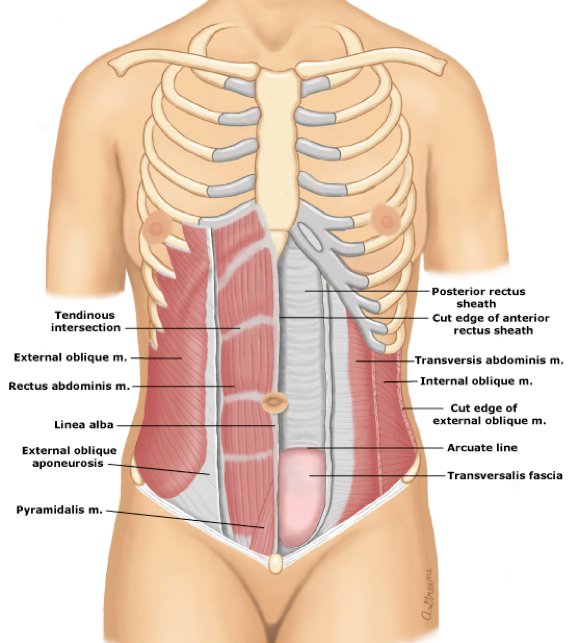
Weakness at any of these junctions (either anatomic or iatrogenic) can allow herniation of abdominal contents through this defect.  Pascal’s principle states that any pressure generated within a closed system (abdominal cavity) is transmitted equally to the walls of the system.


Classification and Definitions of Hernia Types

  • Ventral
    • Anterior
    • Epigastric
      • Occur between Xiphoid and umbilicus
      • Generally < 1cm in size
    • Umbilical
      • Most common overall and more common in women
    • Spigelian
      • Occurs through aponeurosis of the transverse abdominal muscle bounded by the linea semilunaris and lateral edge of the rectus muscle medially
    • Incisional
  • Groin
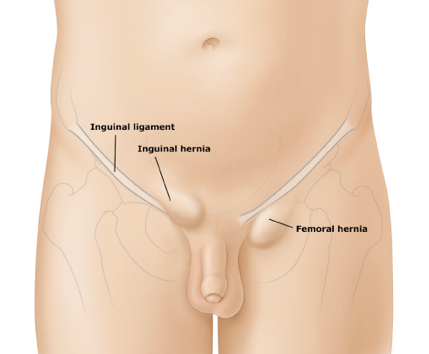
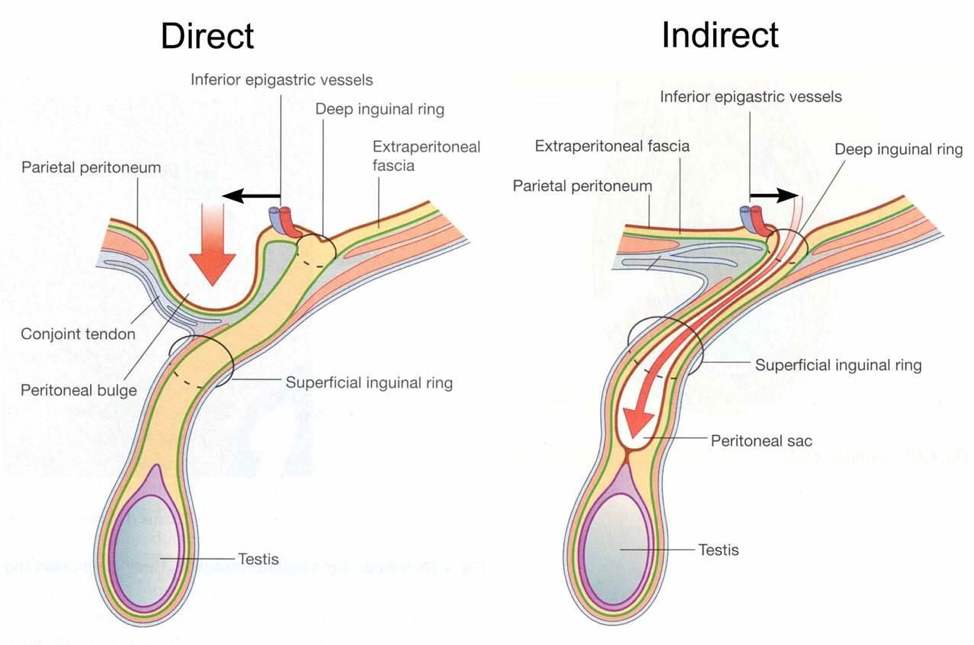
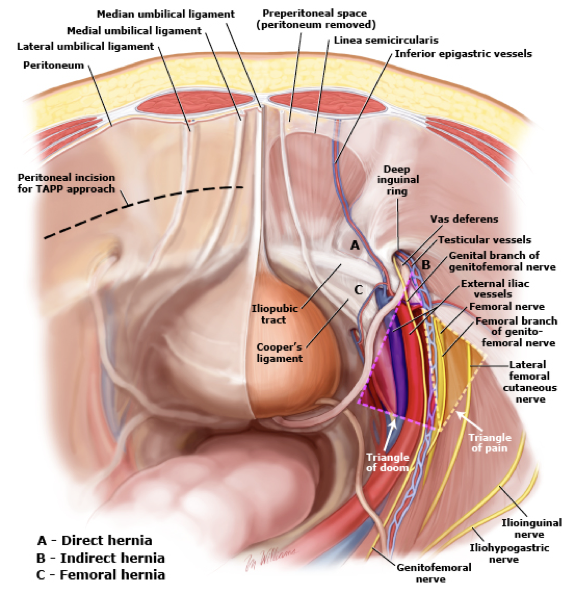
    • Inguinal
      • Indirect (most common overall)
        • Through the deep ring and inguinal canal
    • Femoral (more common in women)
      • Through the femoral ring into the femoral canal posterior and inferior to the inguinal ligament

Signs and Symptoms

  • History
    • Can be asymptomatic if small
    • Most patients will feel a “bulge” and have varying degree of pain associated with this
    • Coughing, straining, or Valsalva worsen the pain or increase the size
    • Groin Hernias
      • Heaviness or dull discomfort in the groin
      • Pain improves when lying supine
    • Systemic symptoms (fever, nausea/vomiting, abdominal pain, bloating) should raise your suspicion of an incarcerated or strangulated hernia
  • Physical Examination
    • Abdominal wall should be examined with the patient standing and lying supine
      • Have patient bear down or cough to accentuate while palpating in the anatomic region
    • Examine for previous surgical incisions
    • Palpate around the umbilicus
    • In men, invaginate the scrotal skin to reach the inguinal canal
    • Femoral hernias most commonly occur medial to the femoral pulse
    • If any erythema or induration is visible, or if the bulge is tender to palpation, this should raise your suspicion of an incarcerated or strangulated hernia

Diagnosis

Most hernias in non-obese patients should be diagnosed by careful and thorough history and physical examination.  In others, radiographic investigation must be performed.

  • Computed Tomography
    • Gold standard to identify sac, contents, and surrounding edema or inflammation
  • Ultrasound
    • Can be very helpful if the diagnosis of groin hernia is unclear

Surgical Repair

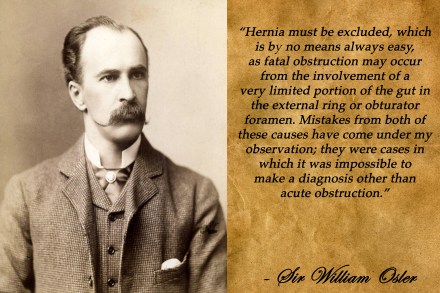
Most hernias will require surgical repair at some point.  The decision for operative management comes down to risk of future complications, size, and symptom tolerance.  Patients with strangulation or incarceration MUST emergent/urgent surgical repair to limit the risk of bowel ischemia.

Surgeon preference and patient considerations dictate laparoscopic vs open hernia repair.

Preclusion to laparoscopic repair include:

  • Prior surgery involving the preperitoneal space
  • Complicated hernias
  • Ascites
  • Inability to tolerate general anesthesia

Surgical Techniques for Groin Hernias

  • ††Open
    • Tension-free mesh repairsPrimary tissue approximation non-mesh repair
  • Laparoscopic (both require mesh)
    • Totally extraperitoneal (TEP) repair
      • Avoids the peritoneal cavity by developing a plane of dissection in the preperitoneal space
        • Landmarks for entry to the preperitoneal space are:
          • Median umbilical ligament
          • Hernia defect
      • This space is entered by establishing a plane between the posterior surface of the rectus muscle and posterior rectus sheath and peritoneum
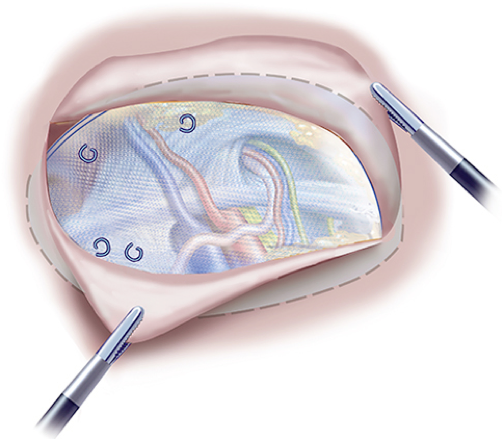
  • Transabdominal preperitoneal patch (TAPP) repair
    • Advantage is that all three groin hernia types are well visualized and in close proximity to each other
Surgical Repair for Ventral Hernias

  • Goals for repair
    • Prevent hernia recurrence
    • Low rate of surgical site infection
    • Provide dynamic muscle support
    • Provide a repair with physiologic tension
    • Prevent eventration or abdominal wall bulging
    • Incorporate the abdominal wall
  • < 1cm
    • Open repair with or without mesh directly over the defect
  • 1-10cm
    • Can be repaired either open or laparoscopic with mesh
      • 1-4cm midline ventral – open
      • 1-4cm incisional – open or laparoscopic
      • 4-10cm all types – laparoscopic
  • > 10cm
    • Unlikely to be closed laparoscopic and require open

Cottage Physician


References

  1. Park AE, Roth JS, Kavic SM. Abdominal wall hernia. Current problems in surgery. 2006; 43(5):326-75. [pubmed]
  2. Earle DB, McLellan JA. Repair of umbilical and epigastric hernias. The Surgical clinics of North America. 2013; 93(5):1057-89. [pubmed]
  3. Flament JB. [Functional anatomy of the abdominal wall]. Der Chirurg; Zeitschrift fur alle Gebiete der operativen Medizen. 2006; 77(5):401-7. [pubmed]
  4. Ellis H. Applied anatomy of abdominal incisions. British journal of hospital medicine (London, England : 2005). 2007; 68(2):M22-3. [pubmed]
  5. Rutkow IM. Demographic and socioeconomic aspects of hernia repair in the United States in 2003. The Surgical clinics of North America. 2003; 83(5):1045-51, v-vi. [pubmed]
  6. McIntosh A, Hutchinson A, Roberts A, Withers H. Evidence-based management of groin hernia in primary care–a systematic review. Family practice. 2000; 17(5):442-7. [pubmed]
  7. Murphy KP, O’Connor OJ, Maher MM. Adult abdominal hernias. AJR. American journal of roentgenology. 2014; 202(6):W506-11. [pubmed]
  8. Bedewi MA, El-Sharkawy MS, Al Boukai AA, Al-Nakshabandi N. Prevalence of adult paraumbilical hernia. Assessment by high-resolution sonography: a hospital-based study. Hernia : the journal of hernias and abdominal wall surgery. 2012; 16(1):59-62. [pubmed]
  9. Earle D, Roth JS, Saber A, et al. SAGES guidelines for laparoscopic ventral hernia repair. Surgical endoscopy. 2016; 30(8):3163-83. [pubmed]
  10. Sailes FC, Walls J, Guelig D, et al. Synthetic and biological mesh in component separation: a 10-year single institution review. Annals of plastic surgery. 2010; 64(5):696-8. [pubmed]
  11. Shell DH, de la Torre J, Andrades P, Vasconez LO. Open repair of ventral incisional hernias. The Surgical clinics of North America. 2008; 88(1):61-83, viii. [pubmed]
  12. Luijendijk RW, Hop WC, van den Tol MP, et al. A comparison of suture repair with mesh repair for incisional hernia. The New England journal of medicine. 2000; 343(6):392-8. [pubmed]
  13. DiBello JN, Moore JH. Sliding myofascial flap of the rectus abdominus muscles for the closure of recurrent ventral hernias. Plastic and reconstructive surgery. 1996; 98(3):464-9. [pubmed]

PAINE #PANCE Pearl – Surgery


Question

When looking an abdominal radiograph, what are the bowel diameter measurements that are generally NOT normally exceeded and would be concerning for potential obstruction?


Answer

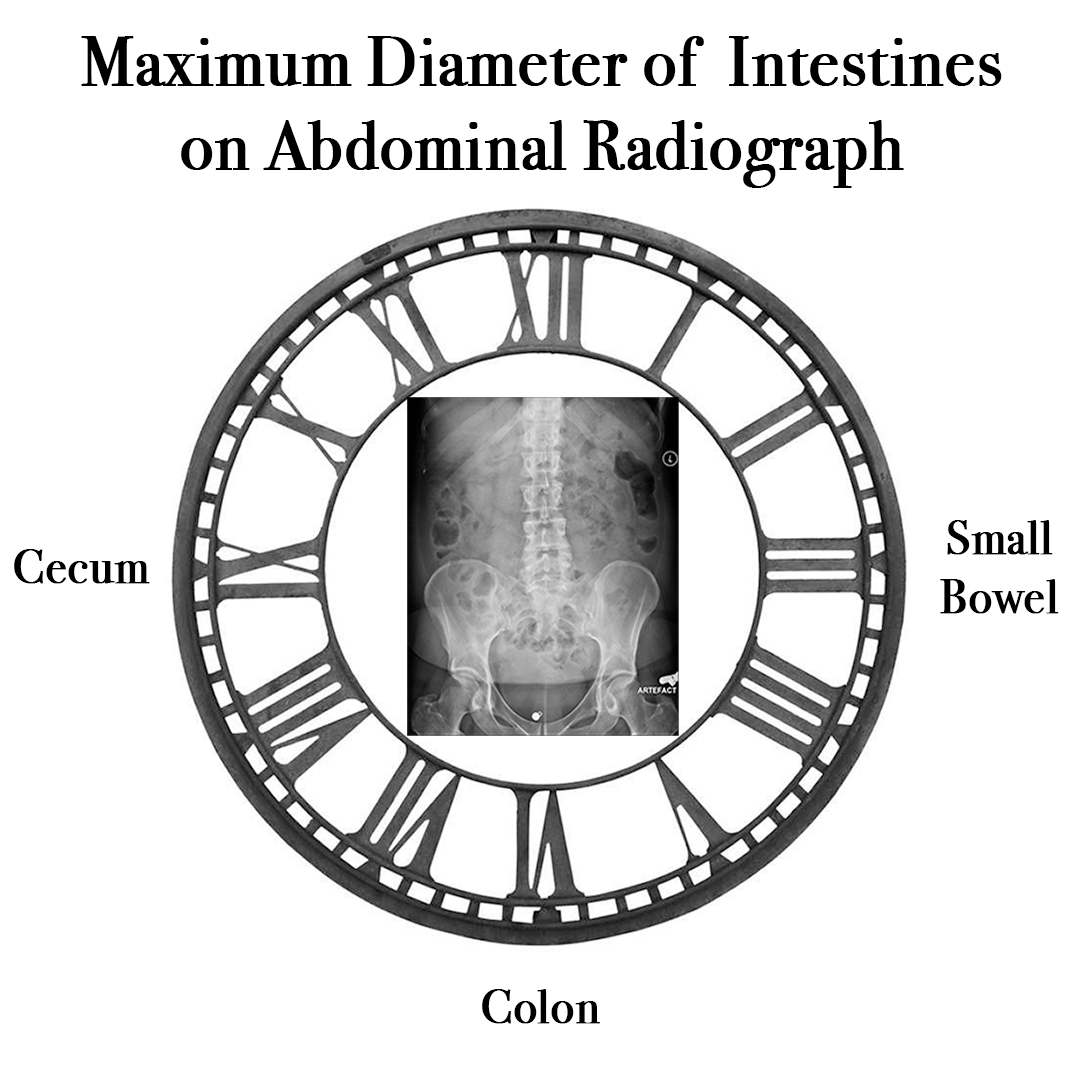
The normal diameter of the intestines on an abdominal radiograph generally do not exceed:

  • 3 cm for small bowel
  • 6 cm for the colon
  • 9 cm for the cecum

This is often referred to as the 3/6/9 rule.


References

  1. Radiopaedia. https://radiopaedia.org/articles/3-6-9-rule-bowel?lang=us
  2. Geeky Medis. https://geekymedics.com/abdominal-x-ray-interpretation/

Ep-PAINE-nym


Pouch of Douglas

Other Known Aliasesrecto-uterine pouch

Definitionspace in the peritoneal cavity between the rectum and the posterior wall of the uterus

Clinical SignificanceAs this is the most posterior and inferior recess in the peritoneal cavity, it is a potential space for fluid and blood to accumulate. This area should always be investigated in trauma as part of the FAST examination.

HistoryNamed after James Douglas (1675-1742), who was a Scottish physician, anatomist, and physician extraordinaire to Queen Caroline. He received his medical doctorate from University of Reims and went on to have a prolific career as an obstetrician and anatomist. He also befriended an early career William Hunter and made him an assistant prior to his own fame as an anatomist. Due to his anatomic research in female pelvic anatomy, there are many eponymonic structures that bear his name including the Douglas fold, Douglas line, and Douglas septum.


References

  1. Firkin BG and Whitwirth JA.  Dictionary of Medical Eponyms. 2nd ed.  New York, NY; Parthenon Publishing Group. 1996.
  2. Bartolucci S, Forbis P.  Stedman’s Medical Eponyms.  2nd ed.  Baltimore, MD; LWW.  2005.
  3. Yee AJ, Pfiffner P. (2012).  Medical Eponyms (Version 1.4.2) [Mobile Application Software].  Retrieved http://itunes.apple.com.
  4. Whonamedit – dictionary of medical eponyms. http://www.whonamedit.com
  5. Up To Date. www.uptodate.com
  6. Brock H. James Douglas of the Pouch. Medical history. 1974; 18(2):162-72. [pubmed]
  7. Rectouterine Pouch. Radiopaedia. https://radiopaedia.org/articles/rectouterine-pouch?lang=us

Ep-PAINE-nym


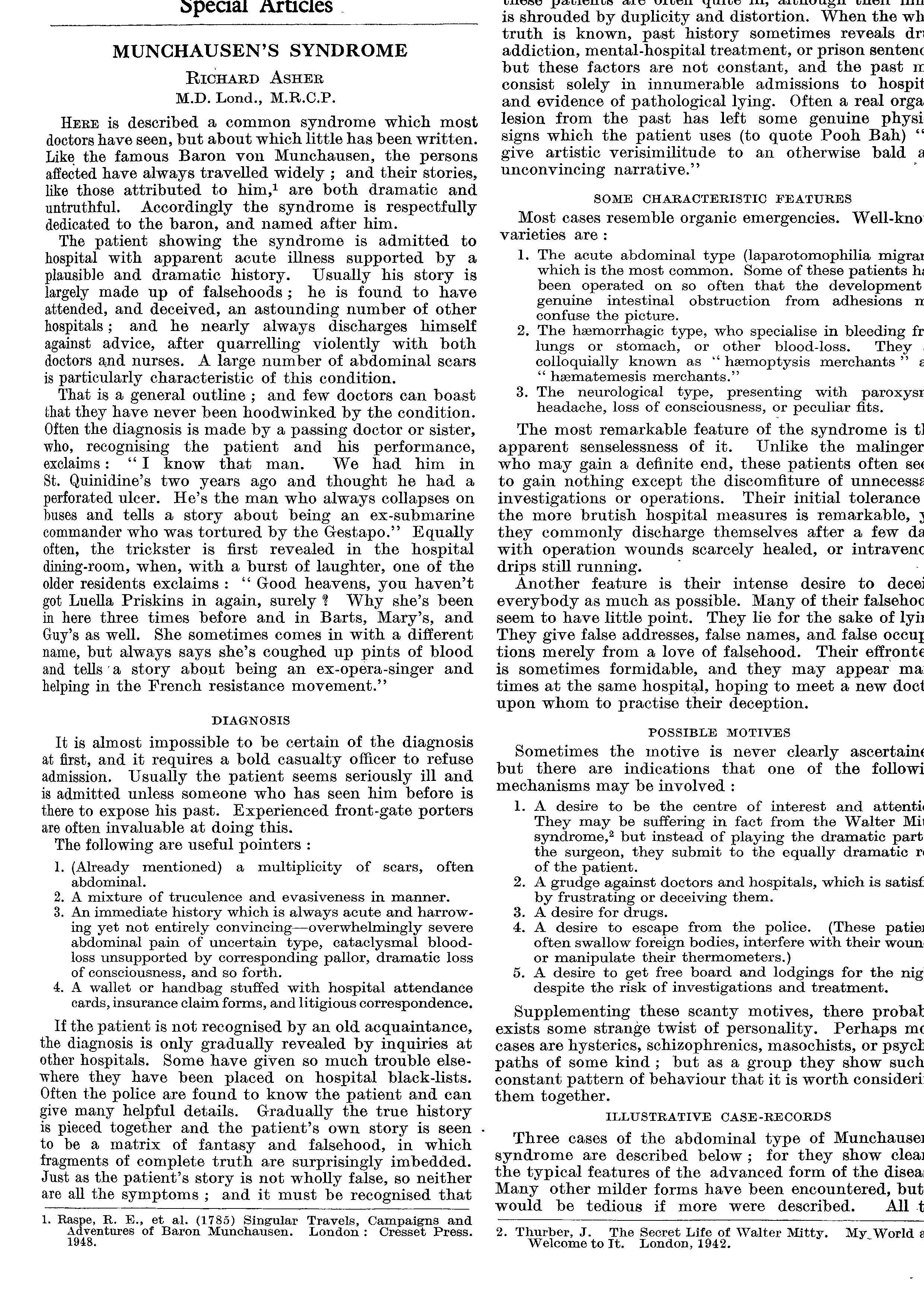
Münchausen Syndrome

Other Known Aliasesfactitious disorder imposed on self

Definitionintentional falsification of physical and/or mental signs and symptoms in oneself, or in another individual, for no obvious external gain or reward

Clinical SignificanceFalling under the factitious disorders section of the DSM-V 300.19 (ICD-10 – F68.10), patients deceptively misrepresent, simulate, or cause symptoms of an illness or injury in themselves, even in the absence of obvious external rewards such as financial gain, housing, or medications.

HistoryNamed after Hieronymus Karl Friedrich von Münchhausen (1720-1797), who was a German aristocrat and military veteran. He was best known for telling elaborate stories at aristocratic dinner parties where he would embellish his tales of being a soldier and huntsman. It was during these dinner parties that he met Rudolf Erich Raspe, who was a German writer, scientist, and con artist. He found these stories so alluring and entertaining that he used them (almost verbatim) in a series of publications describing these adventures of the titular character Baron von Munchausen. Münchhausen took offense to his noble name being used to entertain commoners and attempted litigious retribution against Raspe for many years to no avail. This story did not reach eponymous notoriety until 1951 when Dr. Richard Asher published an article in The Lancet entitled “Munchausen’s Syndrome” did the eponym stick.


References

  1. Firkin BG and Whitwirth JA.  Dictionary of Medical Eponyms. 2nd ed.  New York, NY; Parthenon Publishing Group. 1996.
  2. Bartolucci S, Forbis P.  Stedman’s Medical Eponyms.  2nd ed.  Baltimore, MD; LWW.  2005.
  3. Yee AJ, Pfiffner P. (2012).  Medical Eponyms (Version 1.4.2) [Mobile Application Software].  Retrieved http://itunes.apple.com.
  4. Whonamedit – dictionary of medical eponyms. http://www.whonamedit.com
  5. Up To Date. www.uptodate.com
  6. ASHER R. Munchausen’s syndrome. Lancet (London, England). 1951; 1(6650):339-41. [pubmed]

Ep-PAINE-nym


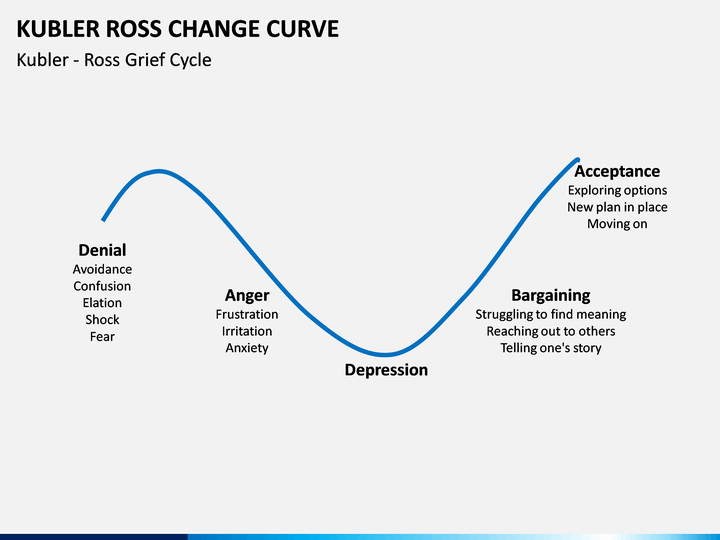
Kübler-Ross Model

Other Known Aliases – 5 stages of grief

Definition – chronological progression of emotional states after experiencing profound personal loss

Clinical SignificanceThe five distinct phases of this model include denial, anger, bargaining, depression, and acceptance. Although widely used, it is not based on any empirical research or evidence and can be affected by cultural norms. In fact, many mental health professionals put this in the “myth” file and say that grief/loss is not a staged event, but rather a spectrum that a person can go backwards and forwards through at any point after the event.

HistoryNamed after Elisabeth Kübler-Ross (1926-2004), who was a Swiss-American psychiatrist and recieved her medical doctorate from the University of Colorado in 1963. It was during this training that she was appalled by the treatment and management of terminally ill patients and began what would be her life’s work and passion. In 1965, she accepted an instructor position at the University of Chicago Pritzker School of Medicine and began given seminars using medical students to conduct interviews with terminally ill patients. These seminars drew both appraise and criticism, as she called into question many traditionally accepted practices of psychiatry at the time. This all culminated in 1969 where she proposed her 5 stages of grief model in her book entitled On Death and Dying. In her later career, she embraced holistic medicine and spiritulism and founded a spiritual healing center called “Shanti Nilaya” in California. Dr. Kübler-Ross suffered a series of strokes in 1995, which left her paralyzed on left side, and died in a nursing home in Scottsdale, AZ in 2004.


References

  1. Firkin BG and Whitwirth JA.  Dictionary of Medical Eponyms. 2nd ed.  New York, NY; Parthenon Publishing Group. 1996.
  2. Bartolucci S, Forbis P.  Stedman’s Medical Eponyms.  2nd ed.  Baltimore, MD; LWW.  2005.
  3. Yee AJ, Pfiffner P. (2012).  Medical Eponyms (Version 1.4.2) [Mobile Application Software].  Retrieved http://itunes.apple.com.
  4. Whonamedit – dictionary of medical eponyms. http://www.whonamedit.com
  5. Up To Date. www.uptodate.com

PAINE #PANCE Pearl – Neurology


Question

There are two tests that you can perform at bedside in patients with suspected myasthenia gravis. One is an easy adjunct to the neurologic exam and the other is only included for historical purposes. Name these tests.


Answer

The most reliable way to diagnose myasthenia gravis is through serologic laboratory studies assessing acetylcholine receptor and muscle-specific tyrosine kinase antibodies. But……………there are two bedside tests that can help prior to expensive labs.

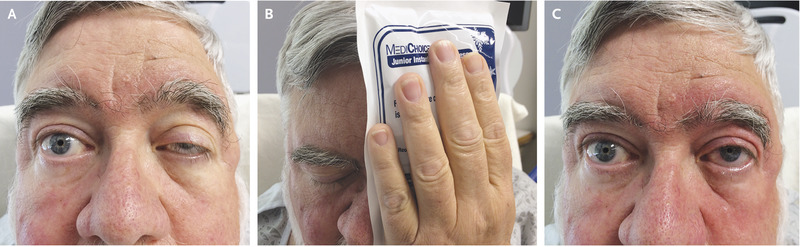
  • Ice Pack Test
    • Used as part of the neurologic examination, it is based on the physiologic principle that neuromuscular transmission improves at lower muscle temperature. In patients with myasthenia gravis, placing an ice pack over a closed eyelid for 2 minutes can improve ptosis in 80% of patients.
https://www.nejm.org/doi/full/10.1056/NEJMicm1509523
  • Edrophonium Test
    • Taught more for historical purposes, edrophonium is an acetylcholinesterase inhibitor with a rapid onset and short duration of action. The main effect is prolonging acetylcholine in the neuromuscular junction to improve muscular strength.
    • It is not available in the US, nor used in the diagnosis

Ep-PAINE-nym


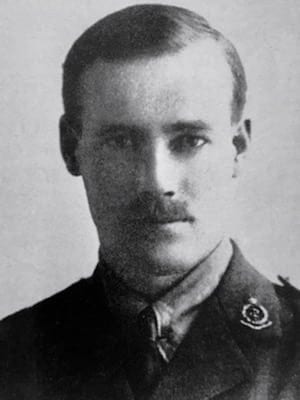
Adie’s Pupil

Other Known Aliases – Holmes-Adie pupil

Definition – pupil with parasympathetic denervation that constricts poorly to light, but reacts better to accommodation.

Clinical SignificanceThe tonic pupil is the result of damage to the parasympathetic ciliary ganglion and the exact pathological cause is still unknown, but infectious inflammation to the ciliary ganglion is the most commonly accepted etiology. Adie’s pupils are hypersensitive to very low dose acetylcholine agonists, such as pilocarpine, and is used to diagnose this condition.

HistoryNamed after William John Adie (1886-1935), who was a British physician and neurologist and received his medical doctorate from the University of Edinburgh in 1911. Upon graduating, he served in the British military during World War I as a medical officer. Following the war, he worked in various hospitals practicing neurology and making a name for himself, culminating in Fellowship in the Royal College of Physicians in 1926. He was also one of the founders of the Association of British Neurologists in 1932. The history of the eponym is interesting because there were numerous publications prior to Adie’s work describing this clinical syndrome and Adie referenced them in his 1931 article. The eponymonic term was given to him by French neurologist Jean-Alexandre Barré in 1934. Also, Gordon Morgan Holmes contemporaneously published the same findings in the same year. This led to the common eponym Holmes-Adie pupils.


References

  1. Firkin BG and Whitwirth JA.  Dictionary of Medical Eponyms. 2nd ed.  New York, NY; Parthenon Publishing Group. 1996.
  2. Bartolucci S, Forbis P.  Stedman’s Medical Eponyms.  2nd ed.  Baltimore, MD; LWW.  2005.
  3. Yee AJ, Pfiffner P. (2012).  Medical Eponyms (Version 1.4.2) [Mobile Application Software].  Retrieved http://itunes.apple.com.
  4. Whonamedit – dictionary of medical eponyms. http://www.whonamedit.com
  5. Up To Date. www.uptodate.com
  6. Adie WJ. Pseudo-Argyll Robertson pupils with absent tendon reflexes. A benign disorder simulating tabes dorsalis. British Medical Journal, London, 1931, I: 928-930. [article]
  7. Holmes GM. Partial iridoplegia associated with symptoms of other disease of the nervous system. Transactions of the Ophthalmological Societies of the United Kingdom, 1931, 51: 209-228.

Ep-PAINE-nym


Ménière’s Disease

Other Known Aliasesendolymphatic hydrops

Definitionabnormal fluid and ion homeostasis of the inner that leads to distortion and distention of the membranous, endolymph-containing portions of the labyrnthine system. It is currently unclear why this occurs and several etiologies have been proposed.

Clinical SignificanceMénière’s disease classically has the triad of tinnitus, sensorineural hearing loss, and episodic vertigo lasting from 20 minutes to 24 hours. The course and severity are variable and the frequency may actually decline over time. Treatment is geared towards diet and lifestyle modifications, vestibular suppressants, diuretics, and interventional procedures in severe or refractory cases.

HistoryNamed after Prosper Ménière (1799-1862), who was a French physician and recieved his medical doctorate from the Hôtel-Dieu de Paris in 1828. He studied and assisted Guillaume Dupuytren at this famed hospital in France. During a particularly bad outbreak of cholera, he was sent by the king to Aude and Haute-Garonne to oversee this medical campaign and was so successful that he was made a knight of the Legion of Honour. Later, he became chief of medicine at the Imperial Institution for Deaf Mutes in Paris and published his findings on his eponymous disease in 1861.


References

  1. Firkin BG and Whitwirth JA.  Dictionary of Medical Eponyms. 2nd ed.  New York, NY; Parthenon Publishing Group. 1996.
  2. Bartolucci S, Forbis P.  Stedman’s Medical Eponyms.  2nd ed.  Baltimore, MD; LWW.  2005.
  3. Yee AJ, Pfiffner P. (2012).  Medical Eponyms (Version 1.4.2) [Mobile Application Software].  Retrieved http://itunes.apple.com.
  4. Whonamedit – dictionary of medical eponyms. http://www.whonamedit.com
  5. Up To Date. www.uptodate.com
  6. Ménière P. Sur une forme particulière de surdité grave dépendant d’une lésion de l’oreille interne. Gazette médicale de Paris. 1861;S3(16):29.