Ep-PAINE-nym


Tail of Spence

Other Known Aliasesprocessus lateralis mammae

Definitiontriangular, tongue-shaped portion of breast tissue that extends superiorly and laterally toward the axilla, perforating the deep axillary fascia where it terminating in close proximity to the axillary lymph nodes.

Clinical Significance Due to location of this breast tissue, many women may not exam this portion of the breast during self-exams. Therefore, given its close proximity to the axillary lymph nodes, providers need to pay close attention to this anatomic region.

Tail of Spence occupies the space where the #3 and #4 nodal regions are

HistoryNamed after James Spence (1812-1882), who was a Scottish surgeon and received his medical doctorate from the Royal College of Surgeons of Edinburgh in 1832. He went on to have a prolific career in teaching anatomy in the classroom and in the dissecting hall at various schools and universities, culminating in serving as chair of systematic surgery and Professor of Surgical Science at Edinburgh University in 1864. Clinically, he served as full house surgeon at the Edinburgh Royal Infirmary for many years leading up to his appointment as Surgeon in Ordinary to Queen Victoria in Scotland in 1865. He was elected as a Fellow of the Royal Society of Edinburgh in 1866 and served as president of the Royal College of Surgeons of Edinburgh from 1867-1869.


References

  1. Firkin BG and Whitwirth JA.  Dictionary of Medical Eponyms. 2nd ed.  New York, NY; Parthenon Publishing Group. 1996.
  2. Bartolucci S, Forbis P.  Stedman’s Medical Eponyms.  2nd ed.  Baltimore, MD; LWW.  2005.
  3. Yee AJ, Pfiffner P. (2012).  Medical Eponyms (Version 1.4.2) [Mobile Application Software].  Retrieved http://itunes.apple.com.
  4. Whonamedit – dictionary of medical eponyms. http://www.whonamedit.com
  5. Up To Date. www.uptodate.com

Ep-PAINE-nym


Janeway Lesions

Other Known Aliasesnone

Definitionnon-tender, small erythematous or hemorrhagic lesions on the palms of the hands or soles of the feet.

Clinical Significance these lesions are one of the classic, pathognomonic findings in infectious endocarditis. They are caused by septic emboli which deposit bacteria in the dermis of the skin causing microabscesses. In fact, cultures can be taken from these lesions.

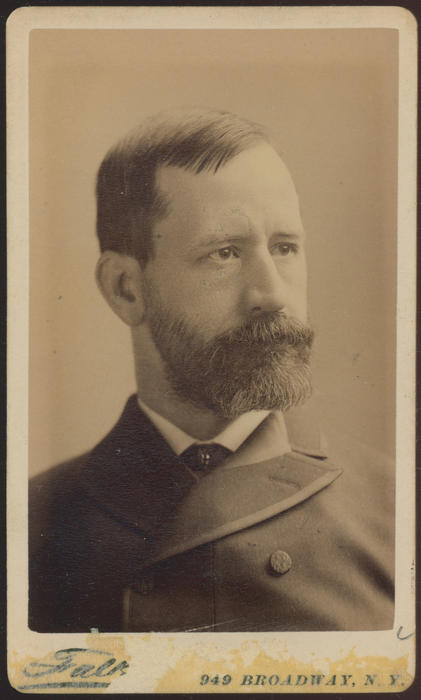
HistoryNamed after Edward G. Janeway (1841-1911), who was an American pathologist and received his medical doctorate from the College of Physicians and Surgeons in New York in 1864. He had a prolific career practicing in and around New York city primarily at Bellevue Hospital and served as Health Commissioner of New York from 1875-1882. He went on to become one of the founders of the Association of American Physicians in 1886, as well as president of the Academy of Medicine in 1897 and 1898. A contemporary of Sir William Osler, Janeway was regarded as one of America’s premier internists of the late nineteeth and early twentieth century. He first noted his eponymous finding in 1899 as a “peculiar skin lesion”, but the eponym was first coined by Emanuel Libman in 1906 and later explained in a footnote in an article in 1923.


References

  1. Firkin BG and Whitwirth JA.  Dictionary of Medical Eponyms. 2nd ed.  New York, NY; Parthenon Publishing Group. 1996.
  2. Bartolucci S, Forbis P.  Stedman’s Medical Eponyms.  2nd ed.  Baltimore, MD; LWW.  2005.
  3. Yee AJ, Pfiffner P. (2012).  Medical Eponyms (Version 1.4.2) [Mobile Application Software].  Retrieved http://itunes.apple.com.
  4. Whonamedit – dictionary of medical eponyms. http://www.whonamedit.com
  5. Up To Date. www.uptodate.com
  6. Prutkin JM, Fye WB. Edward G. Janeway, clinician and pathologist. Clinical cardiology. 2006; 29(8):376-7. [pubmed]
  7. Janeway EG. Certain Clinical Observations upon Heart Disease. The Medical News. New York. 1899;65(9):257-262
  8. Libman E. Johns Hopkins Medicine. 1906
  9. Libman E. Endocarditis. Journal of American Medical Association. 1923;80(12);813-817

Ep-PAINE-nym


Prinzmetal angina

Other Known Aliasesvariant angina

Definitionchest pain that occurs in the absence of exertion, often at rest and sometimes waking the patient up from sleep.

Clinical Significance this type of angina classically is caused by vasospasm of the coronary vessels with or without superimposed antherosclerosis.

HistoryNamed after Myron Prinzmetal (1908-1987), who was an American cardiologist and received his medical doctorate from UCSF School of Medicine in 1933. His career focused mainly on hypertension and heart dysrhythmias with over 160 publications to his name. He published the article describing his eponymous disease in 1959 entitled “Angina pectoris I: A variant form of angina pectoris”.


References

  1. Firkin BG and Whitwirth JA.  Dictionary of Medical Eponyms. 2nd ed.  New York, NY; Parthenon Publishing Group. 1996.
  2. Bartolucci S, Forbis P.  Stedman’s Medical Eponyms.  2nd ed.  Baltimore, MD; LWW.  2005.
  3. Yee AJ, Pfiffner P. (2012).  Medical Eponyms (Version 1.4.2) [Mobile Application Software].  Retrieved http://itunes.apple.com.
  4. Whonamedit – dictionary of medical eponyms. http://www.whonamedit.com
  5. Up To Date. www.uptodate.com
  6. PRINZMETAL M, KENNAMER R, MERLISS R, WADA T, BOR N. Angina pectoris. I. A variant form of angina pectoris; preliminary report. The American journal of medicine. 1959; 27:375-88. [pubmed]

Ep-PAINE-nym


Takotsubo Cardiomyopathy

Other Known AliasesBroken-Heart Syndrome

Definitionstress-induced cardiomyopathy

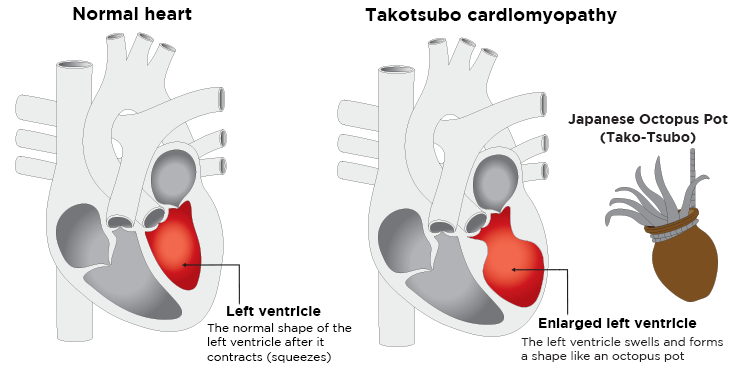
Clinical Significance this syndrome is characterized by transient regional systolic dysfunction of the left ventricle, that mimics a myocardial infarction, but with an absence of angiographic evidence of coronary artery involvement.

HistoryNamed after Japanese word for “octopus trap” as the left ventricle takes the shape of this unique hunting vessel. This condition was first studied in Japan by Hikaru Sato in 1991, but it was not “introduced” to the western medical world until 1997.


References

  1. Firkin BG and Whitwirth JA.  Dictionary of Medical Eponyms. 2nd ed.  New York, NY; Parthenon Publishing Group. 1996.
  2. Bartolucci S, Forbis P.  Stedman’s Medical Eponyms.  2nd ed.  Baltimore, MD; LWW.  2005.
  3. Yee AJ, Pfiffner P. (2012).  Medical Eponyms (Version 1.4.2) [Mobile Application Software].  Retrieved http://itunes.apple.com.
  4. Whonamedit – dictionary of medical eponyms. http://www.whonamedit.com
  5. Up To Date. www.uptodate.com
  6. Tofield A. Hikaru Sato and Takotsubo cardiomyopathy. European Heart Journal, Volume 37, Issue 37, 1 October 2016, Page 2812
  7. Pavin D, Breton HL, Daubert C. Human stress cardiomyopathy mimicking acute myocardial syndrome. Heart. 1997;78:509-511.

Ep-PAINE-nym


Kerley Lines

Other Known Aliasesnone

Definitionlines seen on chest radiography due to interstitial edema

Clinical Significance Kerley lines are thin pulmonary opacities caused by fluid or cellular infiltration into the interstitial of the lungs. There are three distinct types that are seen:

  • Kerley A lines – linear opacities extending from the periphery to the hilum caused by distention of anastomotic channels between peripheral and central lymphatics
  • Kerley B lines – short horizontal lines situated perpendicularly to the pleural surface at the lung base and represent edema of the interlobar septa
  • Kerley C lines – reticular opacities at the lung base representing Kerley B lines en face
White Arrows (A lines); White Arrowheads (B lines); Black Arrowheads (C lines)

HistoryNamed after Sir Peter James Kerley (1900-1979), who was an Irish radiologist and received his medical doctorate from Cambridge University in 1932. He went on to study in Vienna, which was the center of the new and blossoming specialty of heart and lung radiography. He assisted to editing “A Textbook of X-ray Diagnosis” in 1939, which was a major radiology textbook at the time, and later became director of radiology at Westminster Hospital in 1939. He first described his eponymonic findings in an article entitled “Radiology in heart disease” in 1933, and further elaborated on them in the second volume of his textbooks in 1951. During this year, he was also a key figure in the diagnosing of King George VI’s lung cancer due to his review of the King’s radiographs. He received several Royal awards for mass radiological screening for tuberculosis and his diagnosis of King George VI cancer, leading up to his Knight Commander of the Royal Victorian Order by Queen Elizabeth in 1972.


References

  1. Firkin BG and Whitwirth JA.  Dictionary of Medical Eponyms. 2nd ed.  New York, NY; Parthenon Publishing Group. 1996.
  2. Bartolucci S, Forbis P.  Stedman’s Medical Eponyms.  2nd ed.  Baltimore, MD; LWW.  2005.
  3. Yee AJ, Pfiffner P. (2012).  Medical Eponyms (Version 1.4.2) [Mobile Application Software].  Retrieved http://itunes.apple.com.
  4. Whonamedit – dictionary of medical eponyms. http://www.whonamedit.com
  5. Up To Date. www.uptodate.com
  6. Koga T, Fujimoto K. Images in clinical medicine. Kerley’s A, B, and C lines. The New England journal of medicine. 2009; 360(15):1539. [pubmed]
  7. Kerley P. Radiology in heart disease. BMJ. 1993;2:594-597 [Link]
  8. Shanks SC, Kerley P. A Text-Book Of X-Ray Diagnosis: Vol II. Saunders. 1951 pp403–415

Ep-PAINE-nym


Nikolsky’s Sign

Other Known Aliasesnone

DefinitionExfoliation of the outermost layer and elicitation of blistering as a result of gentle mechanical pressure on the skin

Clinical Significance This sign is classically associated with pemphigus vulgaris and is used to differentiate vulgaris (where it is present) and bullous (where it is absent). It is also present in Stevens-Johnson Syndrome, Toxic Epidermal Necrolysis, and scalded skin syndrome.

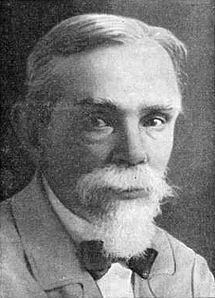
HistoryNamed after Pyotr Vaseilyevich Nikolsky (1858-1940), who was a Russian dermatologist and received his medical doctorate from the Saint Vladimir Imperial University of Kiev in 1884. His doctoral dissertation and thesis was on pemphigus foliaceus, where he described his now famous eponym. He went on to have a career in academic medicine becoming professor at the Imperial University of Warsaw and establishing the Department of Dermatology and Venerology at the future Southern Federal University.


References

  1. Firkin BG and Whitwirth JA.  Dictionary of Medical Eponyms. 2nd ed.  New York, NY; Parthenon Publishing Group. 1996.
  2. Bartolucci S, Forbis P.  Stedman’s Medical Eponyms.  2nd ed.  Baltimore, MD; LWW.  2005.
  3. Yee AJ, Pfiffner P. (2012).  Medical Eponyms (Version 1.4.2) [Mobile Application Software].  Retrieved http://itunes.apple.com.
  4. Whonamedit – dictionary of medical eponyms. http://www.whonamedit.com
  5. Up To Date. www.uptodate.com
  6. Grando SA, Grando AA, Glukhenky BT, Doguzov V, Nguyen VT, Holubar K. History and clinical significance of mechanical symptoms in blistering dermatoses: a reappraisal. Journal of the American Academy of Dermatology. 2003; 48(1):86-92. [pubmed]

Ep-PAINE-nym


Le Fort Fractures

Other Known Aliasestransfacial fracture of the midface

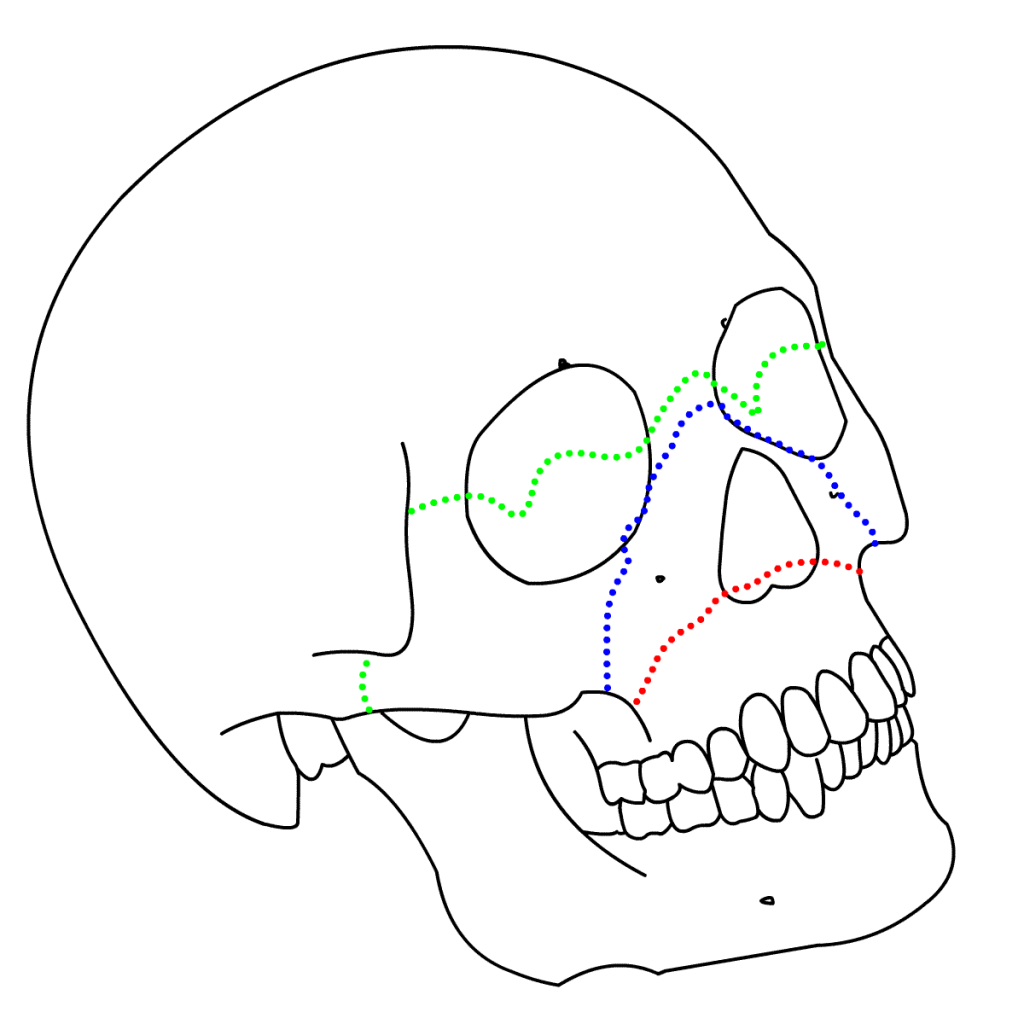
DefinitionThese fractures involve the maxillary bone and are graded based on their direction and involvement of surrounding structures. The key distinguishing feature of this type of fracture is separation of the pterygoid plates from the maxillary sinuses.

Clinical Significance Continuity of the pterygoid plates is essential for midface structural stability and any disruption requires surgical fixation. There are three types of Le Fort fractures:

  1. Type I – Horizontal fracture – involves the lateral bony margin of the nasal opening
  2. Type II – Pyramidal fracture – involves the inferior orbital rim
  3. Type III – Transverse fracture – involves the zygomatic arch, vomer, and across the orbital floor and walls

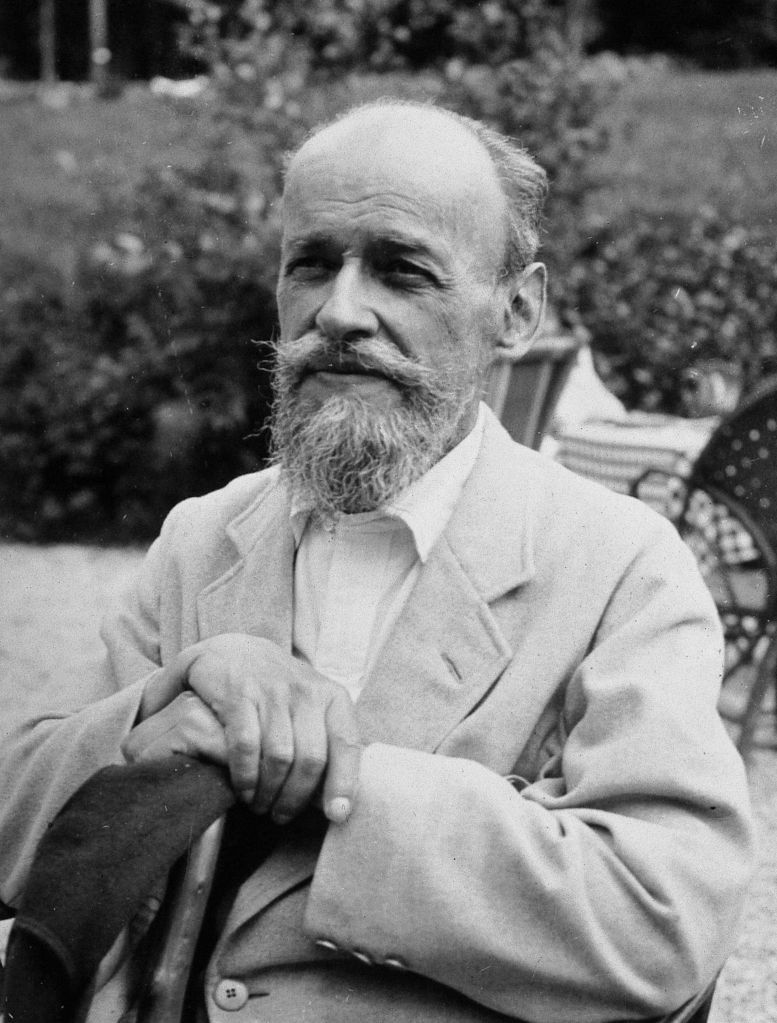
HistoryNamed after René Le Fort (1869-1951), who was a French surgeon and received his medical doctorate at the age of 21 while serving in the French military. He taught and practice in Lille, France for the majority of his career. He served his country numerous times when called to serve as a military physician, as well as coming out of retirement during World War II to teach at the University of Lille to replace colleagues called to the war effort. He published the findings of his eponymous conditions in 1901 in a treatise entitled “Étude expérimentale sur les fractures de la mâchoire supérieure”, where he described his experiments of dropping cannon balls from varying directions and heights on the faces of cadavers to describe the predictable injury patterns


References

  1. Firkin BG and Whitwirth JA.  Dictionary of Medical Eponyms. 2nd ed.  New York, NY; Parthenon Publishing Group. 1996.
  2. Bartolucci S, Forbis P.  Stedman’s Medical Eponyms.  2nd ed.  Baltimore, MD; LWW.  2005.
  3. Yee AJ, Pfiffner P. (2012).  Medical Eponyms (Version 1.4.2) [Mobile Application Software].  Retrieved http://itunes.apple.com.
  4. Whonamedit – dictionary of medical eponyms. http://www.whonamedit.com
  5. Up To Date. www.uptodate.com
  6. Gartshore L. A brief account of the life of René Le Fort. The British journal of oral & maxillofacial surgery. 2010; 48(3):173-5. [pubmed]
  7. Patterson R. The Le Fort fractures: René Le Fort and his work in anatomical pathology. Canadian journal of surgery. Journal canadien de chirurgie. 1991; 34(2):183-4. [pubmed]
  8. Le Fort R. Étude expérimentale sur les fractures de la machoire supérieure. Revue de chirurgie, Paris 1901; 23: 208-27; 360-79; 479-507

Ep-PAINE-nym


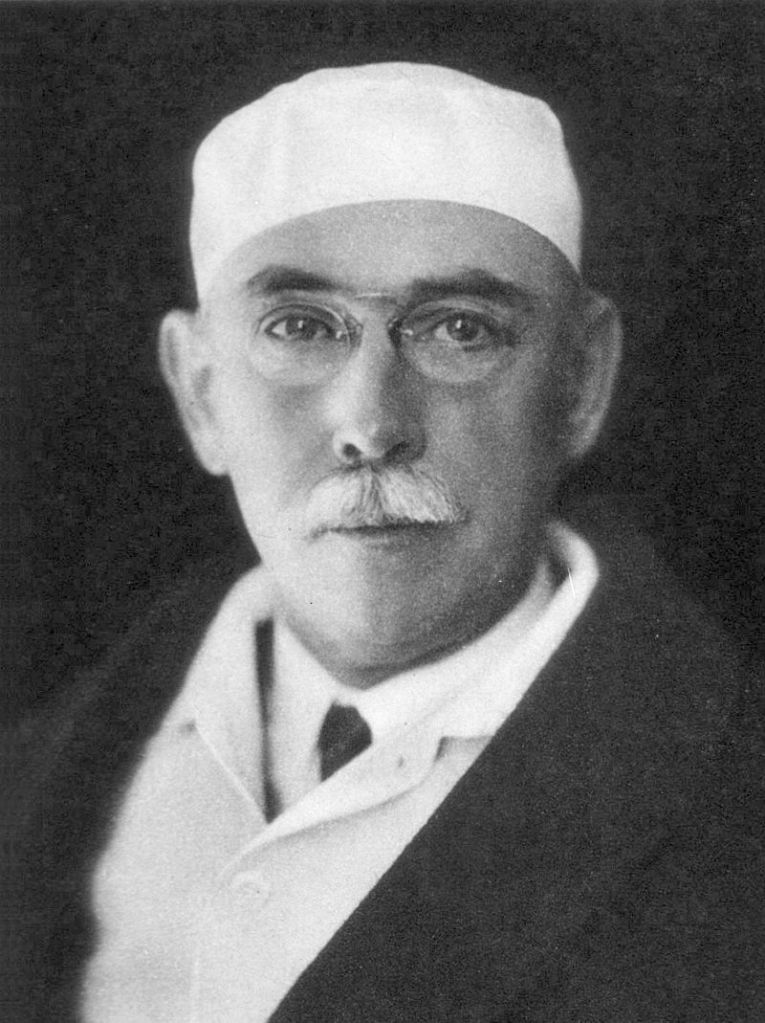
Lemierre Syndrome

Other Known Aliasesseptic phlebitis

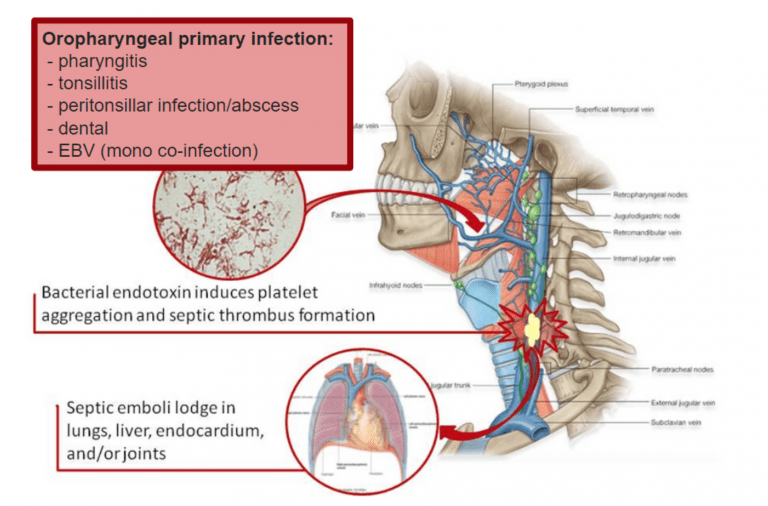
Definitioninfectious thrombophlebitis of the internal jugular vein.

Clinical Significance Often this starts out as a simple oropharyngeal infection, but if it goes untreated, it can quickly spread to the deep spaces of the neck and infiltrate the carotid sheath. Septic emboli can travel the body and cause severe bacterial complications, resulting in a mortality of up to 15%. The common pathogen for this condition is Fusobacterium necrophorum.

HistoryNamed after André-Alfred Lemierre (1875-1956), who was a French bacteriologist and received his medical doctorate in 1904. He became Médicine de Hôpitaux (hospitalist) in 1912 and later worked at the famed Hôspital Bischat. He was promoted to professor of microbiology in 1926 due to his work on septicemia, typhus, and GI/GU infections. It was in 1936 when he published a case series in The Lancet describing his eponyomous disease.


References

  1. Firkin BG and Whitwirth JA.  Dictionary of Medical Eponyms. 2nd ed.  New York, NY; Parthenon Publishing Group. 1996.
  2. Bartolucci S, Forbis P.  Stedman’s Medical Eponyms.  2nd ed.  Baltimore, MD; LWW.  2005.
  3. Yee AJ, Pfiffner P. (2012).  Medical Eponyms (Version 1.4.2) [Mobile Application Software].  Retrieved http://itunes.apple.com.
  4. Whonamedit – dictionary of medical eponyms. http://www.whonamedit.com
  5. Up To Date. www.uptodate.com
  6. EM Docs. Lemierre’s Syndrome. http://www.emdocs.net/em-in-5-lemierres-syndrome/
  7. Lemierre AA. On certain septicaemias due to anaerobic organisms. Lancet. 1936;227(5874):701-703. [link]

Ep-PAINE-nym


Swan-Ganz Catheter

Other Known Aliasespulmonary artery catheter

Definitionintravenous catheter that is maneuvered through the right side of the heart into the pulmonary artery.

Clinical Significance This catheter can directly measure several important hemodynamic variables in critical illness:

  • right atrial pressures
  • right ventricular pressures
  • pulmonary artery pressures
  • left atrial filling pressures (wedge pressure)
  • cardiac output/cardiac index
  • systemic vascular resistance
  • pulmonary vascular resistance

It is “floated” through the right side of the heart using the flow of the blood to carry it into the pulmonary artery. This migration has a very characteristic pressure pattern to know where the catheter is in the vascular system.

HistoryNamed after two physicians from Cedars-Sinai Medical Center, Jeremy Swan (1922-2005), an Irish American cardiologist, and William Ganz (1919-2009), a Slovak American cardiologist. Dr. Swan received his medical doctorate from Castleknock College and went on to become faculty at the Mayo Clinic before joining the faculty at Cedars-Sinai Hospital in Los Angeles. Dr. Ganz attended Charles University School of Medicine in Prague in 1938, but was closed in 1940 after the Nazi occupation of Czechoslovakia. Being jewish, he was then sent to a Hungarian Nazi labor camp and was actually scheduled to be sent to Auschwitz in 19944 before his escape. After hiding and waiting out the war, Dr. Ganz returned and graduated from Charles University in 1947 at the top of his class. He practiced in communist Czechslovakia until 1966 when he secretly defected to the US with his wife and sons. His first and only position as a physician in the US was at Cedars-Sinai Hospital, where he met Dr. Swan who got the idea of the catheter from watching the wind play with the sails of boats in the marina. Dr. Ganz had already published research on the use of thermodilution as a way to measure cardiac output and in 1970, they published their landmark article in the NEJM. It should be noted that German surgeon Werner Forssmann first demonstrated the safety of this type of catheter, by doing it on himself in 1929.


References

  1. Firkin BG and Whitwirth JA.  Dictionary of Medical Eponyms. 2nd ed.  New York, NY; Parthenon Publishing Group. 1996.
  2. Bartolucci S, Forbis P.  Stedman’s Medical Eponyms.  2nd ed.  Baltimore, MD; LWW.  2005.
  3. Yee AJ, Pfiffner P. (2012).  Medical Eponyms (Version 1.4.2) [Mobile Application Software].  Retrieved http://itunes.apple.com.
  4. Whonamedit – dictionary of medical eponyms. http://www.whonamedit.com
  5. Up To Date. www.uptodate.com
  6. Swan HJ, Ganz W, Forrester J, Marcus H, Diamond G, Chonette D. Catheterization of the heart in man with use of a flow-directed balloon-tipped catheter. The New England journal of medicine. 1970; 283(9):447-51. [pubmed]
  7. FRONEK A, GANZ V. [Local thermodilution method of measuring minute volume and circulation rate in the peripheral vessels]. Ceskoslovenska fysiologie. 1959; 8(3):189. [pubmed]
  8. W. Forssmann. Die Sondierung des Rechten Herzens. Klinische Wochenschrift, Berlin, 1929, 8: 2085.

Ep-PAINE-nym


Osborn Wave

Other Known AliasesJ-wave, camel-hump, hypothermic hump

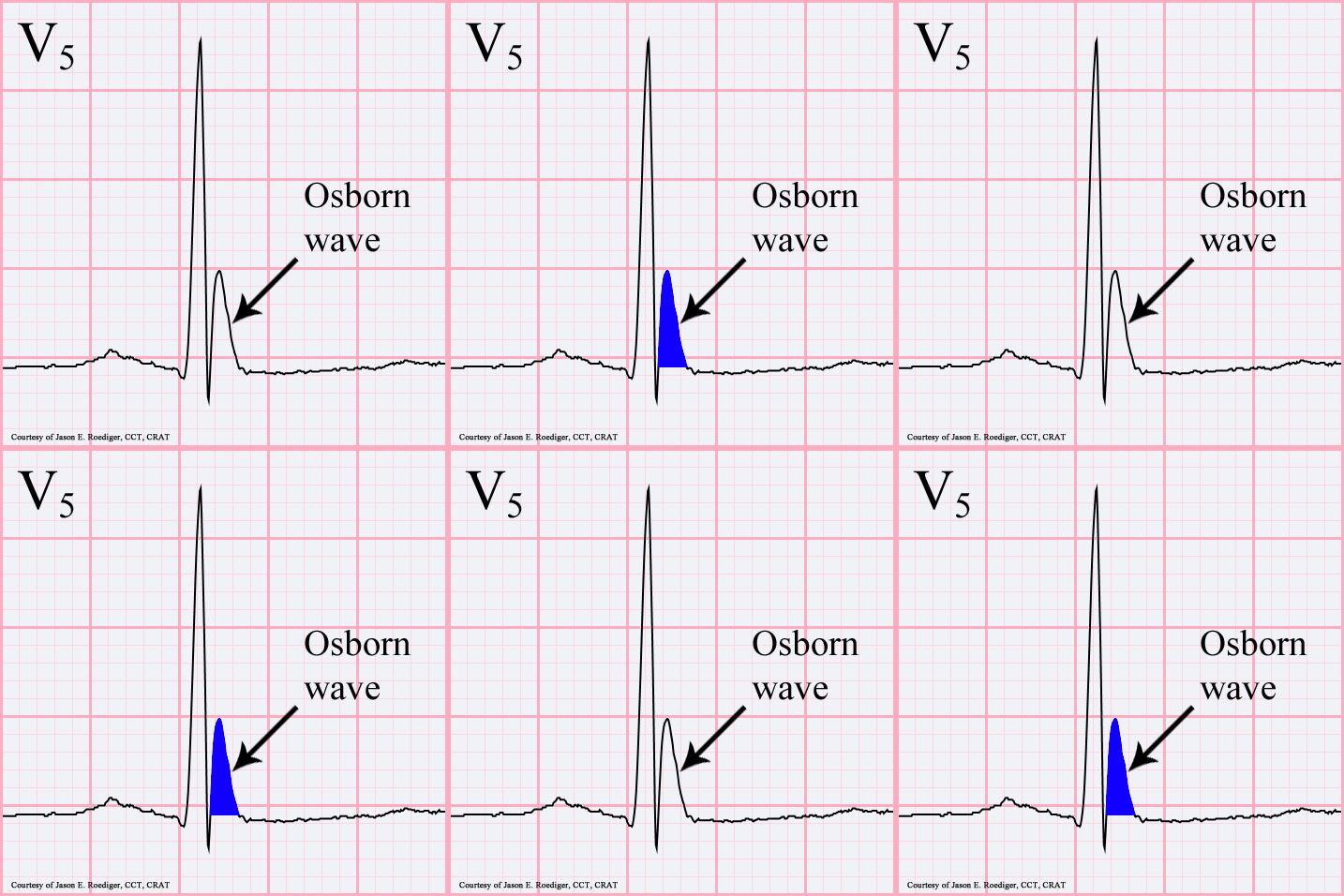
Definitionpositive deflection occurring at the junction between the QRS complex and ST segment, commonly referred to as the J point

Clinical Significance Osborn waves are classically seen in hypothermia with a core body temperature < 32°C (90°F), but also can be present in severe hypercalcemia, traumatic brain injury, and pericarditis. It is usually most prominent in the precordial leads.

NEJM. 2015

HistoryNamed after John J. Osborn (1917-2014), who was an American intensivist, and received his medical doctorate from Johns Hopkins University in 1943. He completed a nine-month residency in pediatrics before serving as an Army medical officer in World War II in the Pacific Theatre. He first published his preliminary animal research on hypothermia in 1943 before his military service, and picked it back up after returning stateside. He practiced from New York University to Stanford University and was a founding member of the Society of Critical Care Medicine. His research fostered the initial golden age of intensive care medicine and he worked on heart-lung machine designs, as well as hemodynamic monitoring devices. His eponymous paper was published in 1953 entitled “Experimental hypothermia; respiratory and blood pH changes in relation to cardiac function”


References

  1. Firkin BG and Whitwirth JA.  Dictionary of Medical Eponyms. 2nd ed.  New York, NY; Parthenon Publishing Group. 1996.
  2. Bartolucci S, Forbis P.  Stedman’s Medical Eponyms.  2nd ed.  Baltimore, MD; LWW.  2005.
  3. Yee AJ, Pfiffner P. (2012).  Medical Eponyms (Version 1.4.2) [Mobile Application Software].  Retrieved http://itunes.apple.com.
  4. Whonamedit – dictionary of medical eponyms. http://www.whonamedit.com
  5. Up To Date. www.uptodate.com
  6. OSBORN JJ. Experimental hypothermia; respiratory and blood pH changes in relation to cardiac function. The American journal of physiology. 1953; 175(3):389-98. [pubmed]
  7. Partin C. Profiles in Cardiology: John J Osborn. Clin Cardiol. 1998;21;66-68 [link]