PAINE PANCE Pearl – Emergency Medicine


57-year-old male, with controlled hypertension, presents to emergency department with a 2-hour history of a central, dull, chest pain that does not radiate.  He rates it as a 4/10 in severity and denies any aggravating or alleviating factors.  He reports some mild nausea and what he reports as “reflux” during this event as well.  He denies shortness of breath, vomiting, arm radiation, back radiation, abdominal pain, dizziness, or syncope.  His father has HTN, HLP, and had a non-fatal AMI at 62-years-old.  He is a never smoker.  His BMI is 27.3.


Vital signs show BP-122/82, HR-93, RR-16, O2-100% on room air, and temp-98.0.


Physical exam reveals:

HEENT – NC/AT

Skin – no diaphoresis

Cardiovascular – RRR without M/G/R

Pulmonary – CTA without adventitial breath sounds

Abdomen – S/ND, mild epigastric tenderness to deep palpation

Peripheral Vascular – 2+ pulses throughout

Neuro – A&Ox3, 5/5 strength throughout


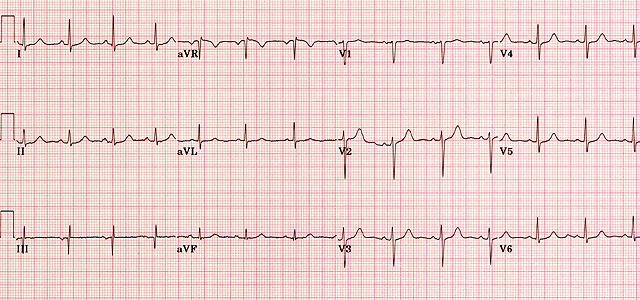
EKG is below:

normal_ecg


Laboratory Screening:

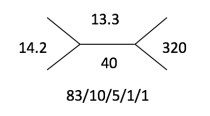
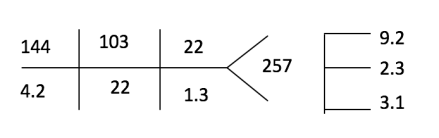
High-sensitivity troponin (hs-cTnI) – 0.02 ng/dL

CK-MB – 39 U/L

Total CK –  264 U/L

Myoglobin – 22 ng/mL

#21 – Acute Cholangitis


***LISTEN TO THE PODCAST HERE***


Definition and Pathogenesis

picture1

Acute cholangitis is defined as a bacterial infection of the biliary tract and can also be termed “ascending cholangitis” as the bacteria typically ascend from the gastrointestinal tract.  The most common causes for the bacterial invasion are:

  • Obstruction
    • Stones can be a nidus for bacterial colonization
  • Benign stenosis
  • Malignancy
  • Instrumentation (ERCP, stent)


There are several anatomical areas in the biliary tree that serve as protective barriers from bacterial translocation from within the gastrointestinal tract.

  • Sphincter of Oddi
    • Physically blocks entry into the biliary tree
  • Bile Flow
    • Constantly flowing back against the ascend travel of the bacteria
    • Bile acid also has bacteriostatic activity
  • Biliary Mucous Secretion
    • Prevents bacterial adherence to biliary tree lining


When obstruction occurs, the intrabiliary pressures rise and cause increased permeability of the biliary ductules and allows easier translocation of intestinal bacteria not only into the biliary tree, but also into systemic circulation.

picture1


The most common pathogens isolated from bile cultures in acute cholangitis are:

  • Gram Negative
    • E. coli
    • Klebsiella
    • Enterobacter
  • Gram Positive
    • Enterococcus spp.
    • Bacteroides spp.

picture1


Clinical Manifestations

The first physician to describe acute cholangitis was Dr. Jean-Martin Charcot and has the eponomyous Charcot’s Triad named after him for right upper quadrant pain, fever, and jaundice.  Fever and abdominal pain is more common (80%), than is jaundice (60%) and only 50-75% of patients have the classic triad.  Dr. Benedict Reynolds, an American surgeon in the 1950s, added altered mental status and hypotension to Charcot’s Triad to describe supperative cholangitis, which now bears his name as Reynold’s Pentad and is associated with significant mortality and morbidity.

picture1


Laboratory Testing

  • Complete Blood Cell Count with Differential
    • Leukocytosis with neutrophil predominance
  • Liver Function Tests
    • Elevation in cholestatic markers
      • Alkaline phosphatase (ALP)
      • Gamma-glutamyl transpeptidase (GGT)
      • Conjugated hyperbilirubinemia
    • Blood cultures

Diagnosis

2013 Tokyo Guidelines for acute cholangitis breakdown into:

  • Suspected
    • Fever and/or rigors
    • Inflammatory response
      • Leukocytosis, elevated ESR or CRP
    • Either:
      • Jaundice
      • Abnormal LFTs
  • Confirmed
    • Imaging showing:
      • Biliary dilation without etiology
      • Visualization of etiology (stone, stricture, stent)

Imaging

Patients with suspected cholangitis, transabdominal ultrasound should be performed to evaluate for ductal dilatation, stones, and/or thickened bile duct.


Good references cases by Ultrasound Cases here (http://www.ultrasoundcases.info/case-list.aspx?cat=157).


ERCP is the definitive test of choice for cholangitis as it is both diagnostic and therapeutic and should be performed within 24-48 hours of diagnosis.  This allows for biliary decompression (sphincterotomy and aspiration) and stone removal.


Antibiotic Management

80% of patients improve with conservative therapy of IV antibiotics while awaiting ERCP.

screen-shot-2016-10-26-at-9-27-54-am


Alternative Drainage Procedures

If ERCP is unavailable, unsuccessful, or contraindicated, there are 2 modalities available:

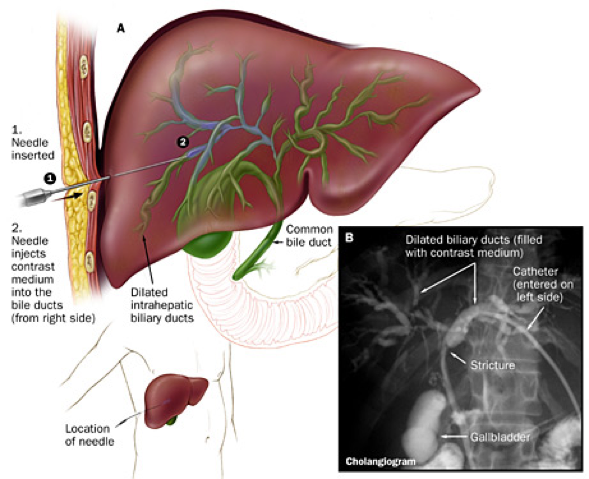
  • Percutaneous Transhepatic Cholangiography (PTC)
    • Allows for biliary drainage, stone removal, diltation, or stent placement
    • picture1
  • Percutaneous Cholecystomy Tube
    • picture1

Prognosis and Prevention of Recurrence

Mortality associated with cholangitis have significantly improved over the last 40 years with technological, surgical, and minimally invasive techniques and have been quoted in the literature as <10% for uncomplicated and 20-30% for severe/complicated cholangitis.  If the cause is due to stones, cholecystectomy should be performed once the patient is over their acute illness to prevent recurrence.  If due to stricture or malignant compression, stent placement is recommended with surgical repair and decompression.


Journal of American Medicine

Article on cholangitis in 1917

american-medicine-cholangitis


References


  1. Sung JY, Costerton JW, Shaffer EA. Defense system in the biliary tract against bacterial infection. Digestive Diseases and Sciences. 1992;37(5):689-96. [pubmed]
  2. Kimura Y, Takada T, Kawarada Y. Definitions, pathophysiology, and epidemiology of acute cholangitis and cholecystitis: Tokyo Guidelines. Journal of Hepato-biliary-Pancreatic Surgery. 2007;14(1):15-26. [pubmed]
  3. Ohdan H, Oshiro H, Yamamoto Y. Bacteriological investigation of bile in patients with cholelithiasis. Surgery Today. 1993;23(5):390-5. [pubmed]
  4. van den Hazel SJ, Speelman P, Tytgat GN, Dankert J, van Leeuwen DJ. Role of antibiotics in the treatment and prevention of acute and recurrent cholangitis. Clinical Infectious Diseases : an official publication of the Infectious Diseases Society of America. 1994;19(2):279-86. [pubmed]
  5. Saik RP, Greenburg AG, Farris JM, Peskin GW. Spectrum of cholangitis. American Journal of Surgery. 1975;130(2):143-50. [pubmed]
  6. Mosler P. Diagnosis and management of acute cholangitis. Current Gastroenterology Reports. 2011;13(2):166-72. [pubmed]
  7. DenBesten L, Doty JE. Pathogenesis and management of choledocholithiasis. The Surgical Clinics of North America. 1981;61(4):893-907. [pubmed]
  8. Kiriyama S, Takada T, Strasberg SM. TG13 guidelines for diagnosis and severity grading of acute cholangitis (with videos). Journal of Hepato-biliary-pancreatic Sciences. 2013;20(1):24-34. [pubmed]
  9. Hui CK, Lai KC, Yuen MF, Ng M, Lai CL, Lam SK. Acute cholangitis–predictive factors for emergency ERCP. Alimentary Pharmacology & Therapeutics. 2001;15(10):1633-7. [pubmed]
  10. Salek J, Livote E, Sideridis K, Bank S. Analysis of risk factors predictive of early mortality and urgent ERCP in acute cholangitis. Journal of Clinical Gastroenterology. 2009;43(2):171-5. [pubmed]

PAINE PANCE Pearl – Gastrointestinal

47yo male presents to emergency department with a 3 day history of progressive abdominal pain, nausea, and vomiting.  He reports the pain the as a constant, boring pain that radiates to his back.  Eating seems to aggravate it and sitting up and leaning forward sometimes help.  He does report occasional alcohol use.  He reports subjective fever, but denies chills, recent illnesses, diarrhea, constipation, hematemesis, melena, or hematochezia.  Vital signs show BP-112/80, HR-118, RR-22, O2-100%, and temperature 39oC (102.2oF).  Physical exam reveals mild distension, generalized abdominal tenderness to deep palpation, absent bowel sounds, and the below finding:

figure-1-cullens-sign1

Laboratory studies are:

screen-shot-2016-10-12-at-8-02-57-amscreen-shot-2016-10-12-at-8-05-01-am

AST – 322U/L          ALT – 45U/L        ALP – 14U/L

LDH – 833U/L          GGT – 15U/L         Bilirubin – 1.9

Amylase – 209U/L

Lipase – 572U/L

Albumin – 3.5g/L


What are the potential causes of this patient’s condition?

This patient has pancreatitis and a helpful mneumonic to remember the most common causes is:

I GET SMASHED
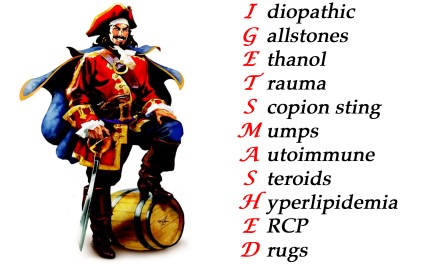
pancreatitis

What are 2 scoring systems used to predict severity?

There are 2 common scoring systems to predict or evaluate the severity of pancreatitis.  The first is the well known Ranson Criteria, that was introduced in 1974.  It uses 2 separate time frames to predict severity.  The first is at the time of admission and uses 5 variables:

  • Glucose > 200 mg/dL
  • AST > 250 U/L
  • LDH > 350 U/L
  • Age > 55
  • WBC > 16,000

If < 3 variables present, then it is considered mild.  If ≥ 3 variables present, then it is considered severe.

After 48 hours, a second set of criteria can be used to assess mortality.  These variables are:

  • Hematocrit decrease of ≥ 10%
  • Blood urea nitrogen increase ≥ 5 mg/dL despite fluids
  • Serum calcium < 8 mg/dL
  • PaO2 < 60 mmHg
  • Base deficit > 4 MEq/L
  • Fluid resuscitation > 6L

Mortality associated with this is as follows:

  • 0-2 – 2%
  • 3-4 – 15%
  • 5-6 – 40%
  • > 6 – 100%

Another scoring system is the modified glascow score for acute pancreatitis.  This was first developed in 1984 and modified in 1988.  It looks at 8 specific variables to predict severity of acute pancreatitis.  The variabls can easily be remembered by the acronym PANCREAS:

  • PaO2 < 60 mmHg
  • Age > 55
  • Neutrophils (WBC > 15,000)
  • Calcium < 8 mg/dL
  • Renal (BUN > 6 mg/dL)
  • Enzymes (LDH > 600 U/L or AST/ALT > 200 U/L)
  • Albumin < 3.2 g/L
  • Sugar (Glucose > 180 mg/dL)

If < 3 variables, then mild pancreatitis.  If ≥ 3 variables, then severe pancreatitis.

Case Conclusion

Our patient in this case would be consider severe pancreatitis (for both scoring systems) due to glucose > 200 mg/dL, LDH > 600 U/L, and and BUN > 6 mg/dL


References

  1. Blackborne LH.  Chapter 55: Pancreas.  In: Surgical Recall. 6th edition.  Lipincott Williams Wilkins.  Philedelphia, PA.
  2. Banks PA, Freeman ML, . Practice guidelines in acute pancreatitis. The American Journal of Gastroenterology. 2006;101(10):2379-400. [pubmed]
  3. Ranson JH, Rifkind KM, Roses DF, Fink SD, Eng K, Spencer FC. Prognostic signs and the role of operative management in acute pancreatitis. Surgery, gynecology & obstetrics. 1974;139(1):69-81. [pubmed]
  4. Leese T, Shaw D. Comparison of three Glasgow multifactor prognostic scoring systems in acute pancreatitis. The British Journal of Surgery. 71988;5(5):460-2. [pubmed]

2016 White Coat Ceremony Keynote Address


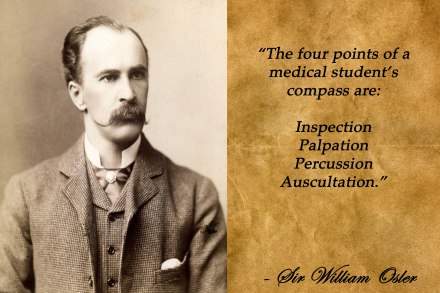
This is a video of my keynote address to the UAB PA Program Class of 2018.  Of all the lectures/courses/talks I have given, this one is my near and dear to my heart.  The white coat ceremony at UAB is my baby and I take great pride in bringing this tradition to my alma mater.  It is also an homage to Sir William Osler, who has inspired me not only in clinical practice, but also in academia.


#20 – Schizophrenia


LISTEN TO THE PODCAST HERE


Epidemiology

Schizophrenia is ranked by the World Health Organization as one of the top mental illnesses in regards to global burden of illness and years lived with disability (YLDs) and disability-adjusted life-years (DALYs).

picture1

The estimated prevalence of schizophrenia in the world approaches 1% (that’s 74 million people) and the incidence is around 1.5 per 10,000 population.  It is slightly more common in men than women (1.4:1) and they have an overall worse prognosis, but women tend to be diagnosed later in life.

picture1

Sham PC


Other Disease Risk

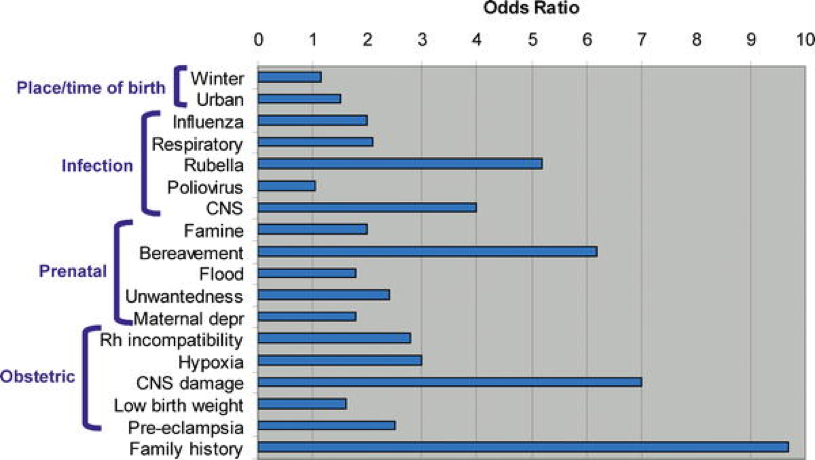
The approach to behavioral medicine conditions is similar to sexually transmitted diseases….in that if you suspect ONE you should screen for ALL.  These diseases run in packs and schizophrenia is no exception.  There is an increased risk of co-diseases such as depressive disorders, anxiety disorders, substance abuse, and neurologic/endocrinologic disease. There have been many identified risk factors for the development of schizophrenia include environmental, infection, prenatal, obstetric factors, and family history.

picture1

picture1


Pathogenesis

Unknown at this point, but seems to be a confluence of genetic and environmental factors.  Using genome-wide association studies (GWAS), researchers have have found that it is not one or two big genes that cause schizophrenia, but more of a polygenomic effect of multiple small genes with increasingly additive effects.  Currently, they have found 500,000 single nucleotide polymorphisms (SNPs) that have been associated with schizophrenia development with 108 of these showing significant association.


Clinical Manifestations

Schizophrenia is a syndrome with impairment in several domains.

  • Positive Symptoms
    • These are symptoms distort the patient’s reality and/or lead to disorganized thoughts and behaviors
      • Called “positive” because they did not have them prior to developing their illness so they were “added” to their psyche
    • Hallucinations
      • Auditory is most common (40-60%)
        • Can included voices, music, machinery
      • Visual
        • Anything from unformed distortions to fully formed, identifiable objects or human visages
      • Somatic
        • Sensation of being touched
      • Olfactory/Gustatory
    • Delusions
      • Defined as fixed, false belief even with contradictory evidence
      • Up to 80% of patients with schizophrenia
      • Can be categorized as:
        • Bizarre
          • Implausible or impossible
        • Non-bizarre
          • Understandable, but still untrue
        • Content of the delusions can be categorized as delusions of:
          • Reference
            • Beliefs that seemingly random events are meant for or are in reference to the patient (radio, TV, songs)
          • Grandiosity
            • Belief the patient has significant importance or power
          • Paranoia
            • Beliefs that something/someone is trying to affect the patient
          • Nihilism
            • Beliefs that the patient or other people are dead or don’t exist
          • Erotomania
            • Beliefs that the patient has a special relationship with someone
          • Disorganization
    • Schizophrenia is a disorder with disorganized behavior or thoughts. Behaviors can be observed but thoughts can only be inferred from the patient’s speech.  Some of these clues are:
      • Tangential
        • Patient strays from the conversation topic
      • Circumstantial
        • Patient will answer a question but in a long, roundabout way
      • Derailment
        • Suddenly switches topics without cue/logic/segue
      • Neoligism
        • Using made-up words only known to the patient
      • Word Salad
        • Known words used together in no meaning or pattern
  • Negative Symptoms
    • Absence of normal processes
    • Primary (Deficit Symptoms)
      • 2 categories
        • Diminished Expression Cluster
        • Avolition-Apathy Cluster
    • Secondary
      • Any of the above symptoms due to another cause
        • Paranoia leading to social isolation
        • Unchanging facial expression from antipsychiotic use
picture1

Up To Date. 2016.

  • Cognitive Impairment
    • Usually precedes positive symptoms and are first observed by family members
    • Often one to two standard deviations lower than healthy controls
    • Common symptoms include decreases in:
      • Processing speed
      • Attention
      • Working memory
      • Verbal/visual learning
      • Reasoning
      • Executive function
      • Comprehension
      • Social cognition
  • Mood and Anxiety Symptoms
    • Higher incidence in patients with schizophrenia than the general population

Physical Manifestations

There are a few physical exam findings that can be seen in patients with schizophrenia that can precipitate further screening.

  • Neurologic Disturbances
    • Subtle impairments of sensory integration, motor coordination, and sequencing and need to distinguished from normal pathology of the disease and the side effects of medications
    • Disease specific
      • Right/left confusion
      • Agraphesthesia
      • Astereognosis
      • Catatonia
  • Medication Induced
    • Extrapyramidal
      • Tremor, bradykinesia, dystonia, tardive dyskinesia
    • Metabolic Disturbances
      • Weight gain, diabetes development, cardiovascular disease

Disease Course

The presentation and disease is highly variable and differ in regards to onset (rapid vs slow), symptom presentation (continuous vs intermittent) and outcome (poor vs controlled).  Each patient with the suspicion of schizophrenia should be screened for these variables.


DSM-V Criteria for Diagnosis

  • 2 or more characteristic symptoms (one must be delusions, hallucinations, or disorganized speech) present for a significant portion of time during a one-month period:
    • Delusions
    • Hallucinations
    • Disorganized speech
    • Grossly disorganized or catatonic behavior
    • Negative symptoms
  • For a significant portion of the time since the onset of the disturbance, one or more major areas of functioning such as work, interpersonal relations, or self-care are markedly below the level achieved prior to the onset.
    • When the onset is in childhood or adolescence:
      • Failure to achieve expected level of interpersonal, academic, or occupational achievement.
  • Continuous signs of the disturbance persist for at least six months.
    • The six-month period must include at least one month of symptoms (or less if successfully treated and may include periods of prodromal or residual symptoms.
  • Schizoaffective disorder and mood disorder with psychotic features have been ruled out because either:
    • (1) no major depressive, manic, or mixed episodes have occurred concurrently with the active-phase symptoms; or
    • (2) if mood episodes have occurred during active-phase symptoms, their total duration has been brief relative to the duration of the active and residual periods.
  • The disturbance is not due to the direct physiological effects of a substance (eg, a drug of abuse or medication) or a general medical condition.
  • If the patient has a history of autistic disorder or another pervasive developmental disorder, the additional diagnosis of schizophrenia is made only if prominent delusions or hallucinations are also present for at least a month (or less if successfully treated)

Differential Diagnosis

There are several other conditions that can mimic schizophrenia and need to be assessed during screening or diagnosis.

  • Schizophreniform
    • Meets all criteria for schizophrenia, but has had < 6 months of symptoms
  • Schizoaffective, bipolar, and major depressive disorders
    • More mood components than disorganized thoughts or behaviors
  • Substance abuse or withdrawal
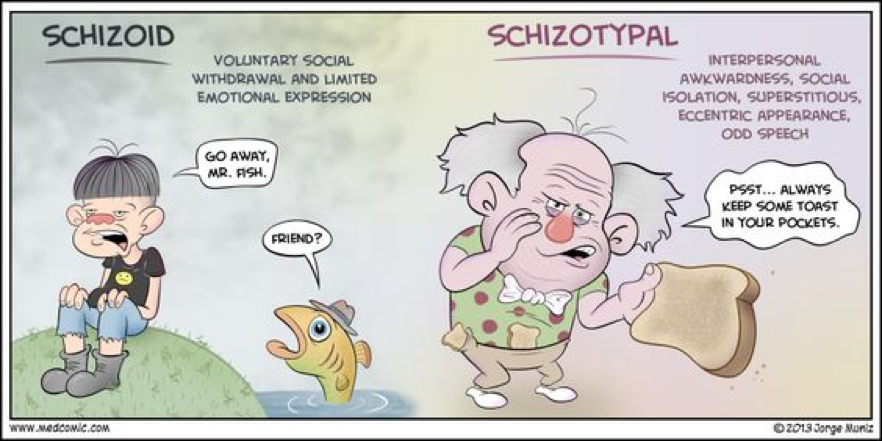
  • Schizotypal disorders
    • Odd behaviors or beliefs but not to the level of delusions or hallucinations
  • Schizoid personality disorder
    • Long standing pattern of little interest in social relationships
schizoid-vs-schizotypal

MedComic


Schizophrenia Diagnostic Algorithm

picture1

Up To Date. 2016.


Management

Two categories of treatments in schizophrenia:

  • Acute Phase
    • Psychotic relapse in a patient with a known diagnosis, or the first episode of psychosis in an undiagnosed patient.
    • Goal of acute management to decrease agitation and increase therapeutic medication
  • Maintenance Phase
    • Recovered from acute psychotic event
    • Goal of maintenance is minimize symptoms and functional impairments, avoid relapses, and promote recovery

Prescreening Considerations

  • BMI, waist circumference, heart rate, blood pressure
  • Signs of movement disorder
    • Extrapyramidal symptoms
      • Akathisia, parkinsonism, dystonias
    • Tardive dyskinesia
  • Laboratory Studies (when feasible)
    • CBC, BMP, lipid profile, LFT, TFT
    • EKG

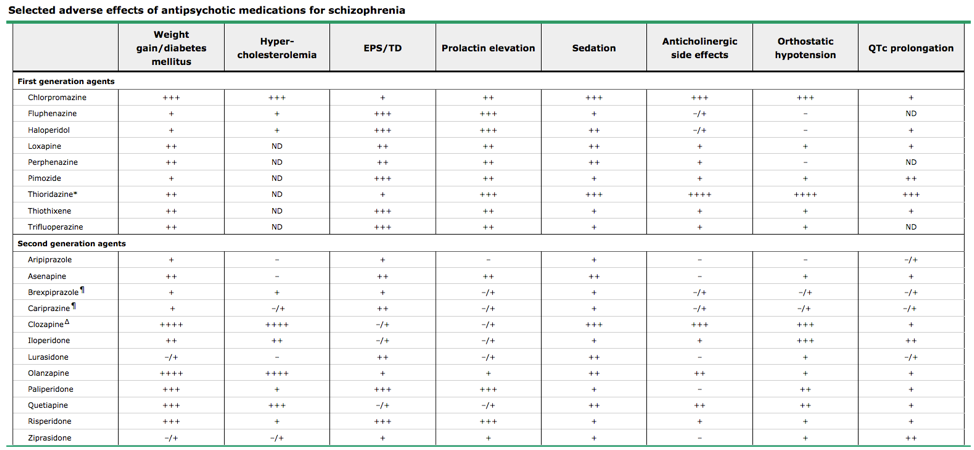
Antipsychotic Medications

  • 1st generation (Typical)
    • All antipsychotics marketed before 1989 (when clozapine came out)
  • 2nd generation (Atypical)
    • Everything after clozapine
    • Cause fewer extrapyramidal side effects
picture1

Up To Date. 2016.

Treatment Considerations

There are several medications available as IM, extended release injections that can be helpful in chronic maintenance in non-adherent patients.


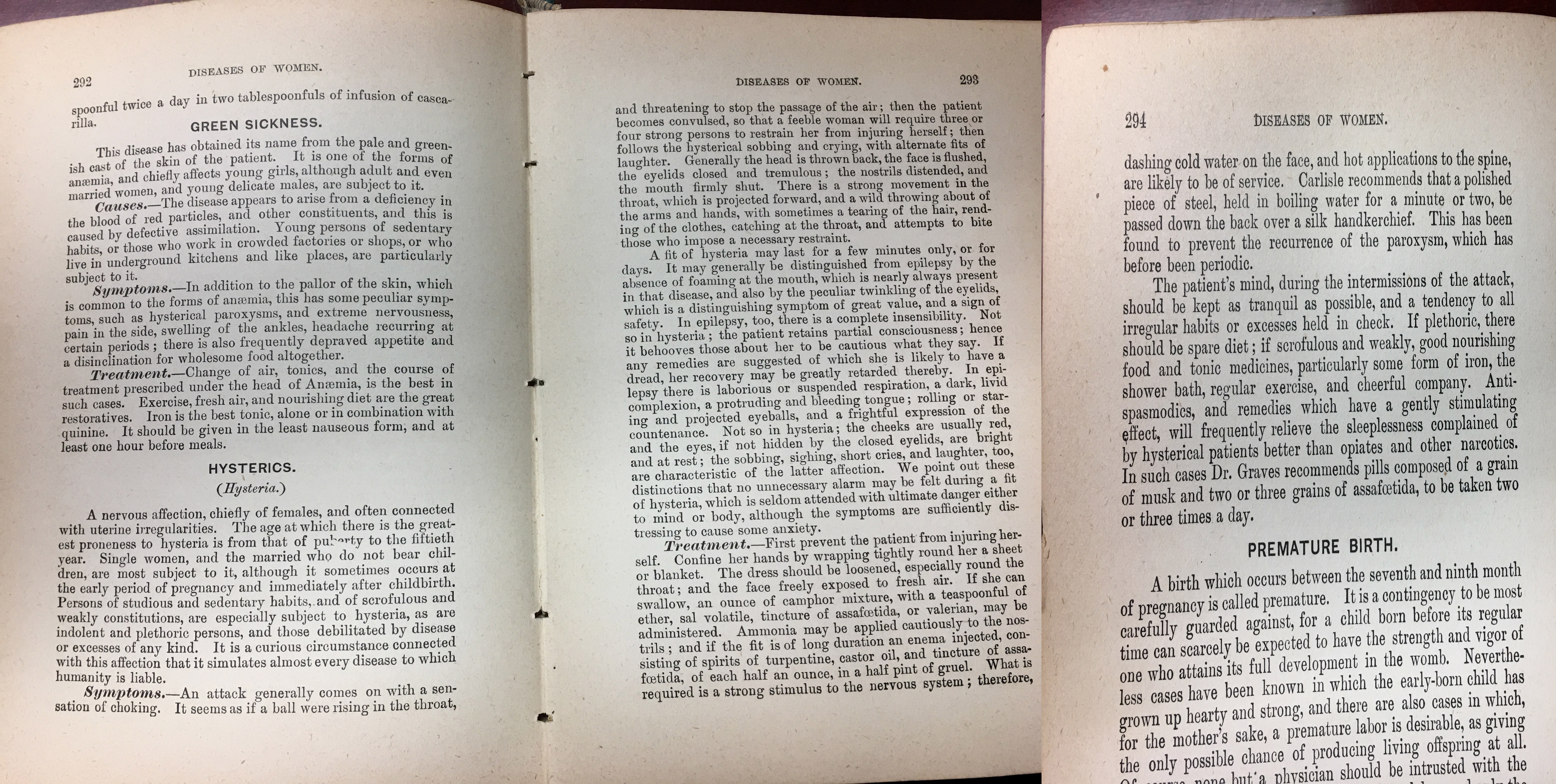
Cottage Physician on Hysteria

cottage-physician

Cottage Physician, 1893.


References

  1. Vigo D, Thornicroft G, Atun R. Estimating the true global burden of mental illness. Lancet Psychiatry. 2016;3(2):171-8. [pubmed]
  2. McGrath J, Saha S, Chant D, Welham J. Schizophrenia: a concise overview of incidence, prevalence, and mortality. Epidemiologic Reviews. 2008;30:67-76. [pubmed]
  3. Abel KM, Drake R, Goldstein JM. Sex differences in schizophrenia. International Review of Psychiatry. 2010;22(5):417-28. [pubmed]
  4. Sham PC, MacLean CJ, Kendler KS. A typological model of schizophrenia based on age at onset, sex and familial morbidity. Acta Psychiatrica Scandinavica. 1994;89(2):135-41. [pubmed]
  5. Grossman LS, Harrow M, Rosen C, Faull R, Strauss GP. Sex differences in schizophrenia and other psychotic disorders: a 20-year longitudinal study of psychosis and recovery. Comprehensive Psychiatry. 2008;49(6):523-9. [pubmed]
  6. Usall J, Ochoa S, Araya S, Márquez M, . Gender differences and outcome in schizophrenia: a 2-year follow-up study in a large community sample. Journal of the Association of European Psychiatrists. 2003;18(6):282-4. [pubmed]
  7. Schizophrenia Working Group of the Psychiatric Genomics Consortium. Biological insights from 108 schizophrenia-associated genetic loci. Nature. 2014;511(7510):421-7. [pubmed]
  8. Owen MJ, Sawa A, Mortensen PB. Schizophrenia. Lancet. 2016;388(10039):86-97. [pubmed]
  9. Thomas P, Mathur P, Gottesman II, Nagpal R, Nimgaonkar VL, Deshpande SN. Correlates of hallucinations in schizophrenia: A cross-cultural evaluation. Schizophrenia Research. 2007;92(1-3):41-9. [pubmed]
  10. Andreasen NC, Olsen S. Negative v positive schizophrenia. Definition and validation. Archives of General Psychiatry. 1982;39(7):789-94. [pubmed]
  11. Nuechterlein KH, Barch DM, Gold JM, Goldberg TE, Green MF, Heaton RK. Identification of separable cognitive factors in schizophrenia. Schizophrenia Research. 2004;72(1):29-39. [pubmed]
  12. Gold JM, Hahn B, Strauss GP, Waltz JA. Turning it upside down: areas of preserved cognitive function in schizophrenia. Neuropsychology Review. 2009;19(3):294-311. [pubmed]
  13. Heinrichs DW, Buchanan RW. Significance and meaning of neurological signs in schizophrenia. The American Journal of Psychiatry. 1988;145(1):11-8. [pubmed]
  14. American Psychiatric Association. Diagnostic and Statistical Manual of Mental Disorders, Fifth Edition (DSM-5), American Psychiatric Association, Arlington, VA 2013.
  15. Buchanan RW, Kreyenbuhl J, Kelly DL. The 2009 schizophrenia PORT psychopharmacological treatment recommendations and summary statements. Schizophrenia Bulletin. 2010;36(1):71-93. [pubmed]

PAINE PANCE Pearl – Gastrointestinal

47yo male presents to emergency department with a 3 day history of progressive abdominal pain, nausea, and vomiting.  He reports the pain the as a constant, boring pain that radiates to his back.  Eating seems to aggravate it and sitting up and leaning forward sometimes help.  He does report occasional alcohol use.  He reports subjective fever, but denies chills, recent illnesses, diarrhea, constipation, hematemesis, melena, or hematochezia.  Vital signs show BP-112/80, HR-118, RR-22, O2-100%, and temperature 39oC (102.2oF).  Physical exam reveals mild distension, generalized abdominal tenderness to deep palpation, absent bowel sounds, and the below finding:

figure-1-cullens-sign1


Laboratory studies are:

screen-shot-2016-10-12-at-8-02-57-amscreen-shot-2016-10-12-at-8-05-01-am

AST – 322U/L          ALT – 45U/L        ALP – 14U/L

LDH – 833U/L          GGT – 15U/L         Bilirubin – 1.9

Amylase – 209U/L

Lipase – 572U/L

Albumin – 3.5g/L


  1. What are the potential causes of this patient’s condition?
  2. What are 2 scoring systems used to predict severity?

PAINE PANCE Pearl – Psychiatry

The DSM-V diagnostic criteria for autism spectrum disorders includes all of the following:

  1. Persistent deficits in social communication and interactions in multiple settings with each of the following:
    1. Social-emotional reciprocity
    2. Nonverbal communicative behaviors used for social interaction
    3. Developing, maintaining, and understanding relationships
  2. Restricted, repetitive patterns of behavior, interests, or activities as demonstrated by at least 2 of the following:
    1. Stereotyped or repetitive movements, use of objects, or speech
    2. Insistence on sameness, unwavering adherence to routines, or ritualized patterns of behavior
    3. Highly restricted, fixated interests that are abnormal in strength or focus
    4. Increased or decreased response to sensory input or unusual interest in sensory aspects of the environment
  3. The symptoms must impair function.
  4. The symptoms must be present in the early developmental period. However, they may become apparent only after social demands exceed limited capacity; in later life, symptoms may be masked by learned strategies.
  5. The symptoms are not better explained by intellectual disability or global developmental delay.

The severity of social communication/interaction and restricted/repetitive behavior can be graded using the following

  1. Level 1 – Requiring Support
  2. Level 2 – Requiring Substantial Support
  3. Level 3 – Requiring Very Substantial Support

Testing Tools Available

  • Autism Behavior Checklist (ABC)
    • 57 questions
    • 5 categories
      • Sensory, elating, body and object use, language, and social and self-help
  • Gilliam Autism Rating Score (GARS-3)
    • 56 questions
    • 6 categories
      • Restrictive/repetitive behaviors, social interaction, social communication, emotional responses, cognitive style, and maladaptive speech
  • Autism Diagnostic Interview-Revised (ADI-R)
    • 2-3 hour clinical interview
  • Childhood Autism Rating Scale – Second Edition (CARS-2)
    • 15 item focused interview
  • Autism Diagnostic Observation Schedule – Second Edition (ADOS-2)
    • Reference standard in research

References

  1. American Psychiatric Association. Autism spectrum disorder. In: Diagnostic and Statistical Manual of Mental Disorders, Fifth Edition, American Psychiatric Association, Arlington, VA 2013. p.50.
  2. Krug DA, Arick J, Almond P. Behavior checklist for identifying severely handicapped individuals with high levels of autistic behavior. Journal of Child Psychology and Psychiatry, and Allied Disciplines. 1980;21(3):221-9. [pubmed]
  3. Gilliam JE. Gilliam Autism Rating Scale (GARS). Pro-Ed, Austin, TX 1995.
  4. Lord C, Rutter M, Le Couteur A. Autism Diagnostic Interview-Revised: a revised version of a diagnostic interview for caregivers of individuals with possible pervasive developmental disorders. Journal of Autism and Developmental Disorders. 1994;24(5):659-85. [pubmed]
  5. Filipek PA, Accardo PJ, Baranek GT. The screening and diagnosis of autistic spectrum disorders. Journal of Autism and Developmental Disorders. 1999;29(6):439-84.[pubmed]

PAINE PANCE Pearl – Psychiatry

You are seeing an 8yo with his mother for increasing behavioral problems and decreasing school performance.  She is concerned about ADHD because several of his friends have been diagnosed and are now on medications and doing well.  On physical exam, he is not making consistent eye contact in the room, shows poor impulse control, and is does not want to speak with you when you ask him questions.  You are now entertaining the possibility of an autism spectrum disorder.


What are the DSM-V diagnostic criteria for an autism spectrum disorder and what are some of the available testing tools?

#19 – Parathyroid Dysfunction


LISTEN TO THE PODCAST HERE


Parathyroid Hormone (PTH)

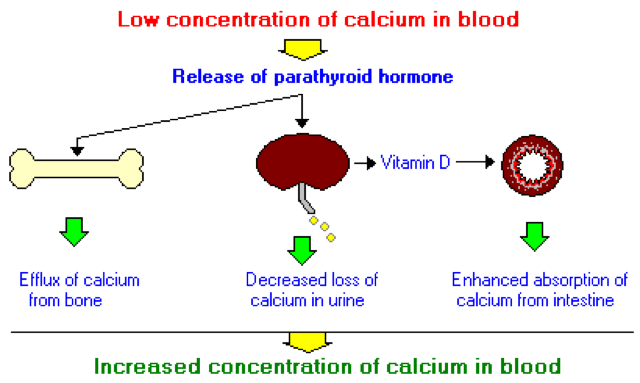
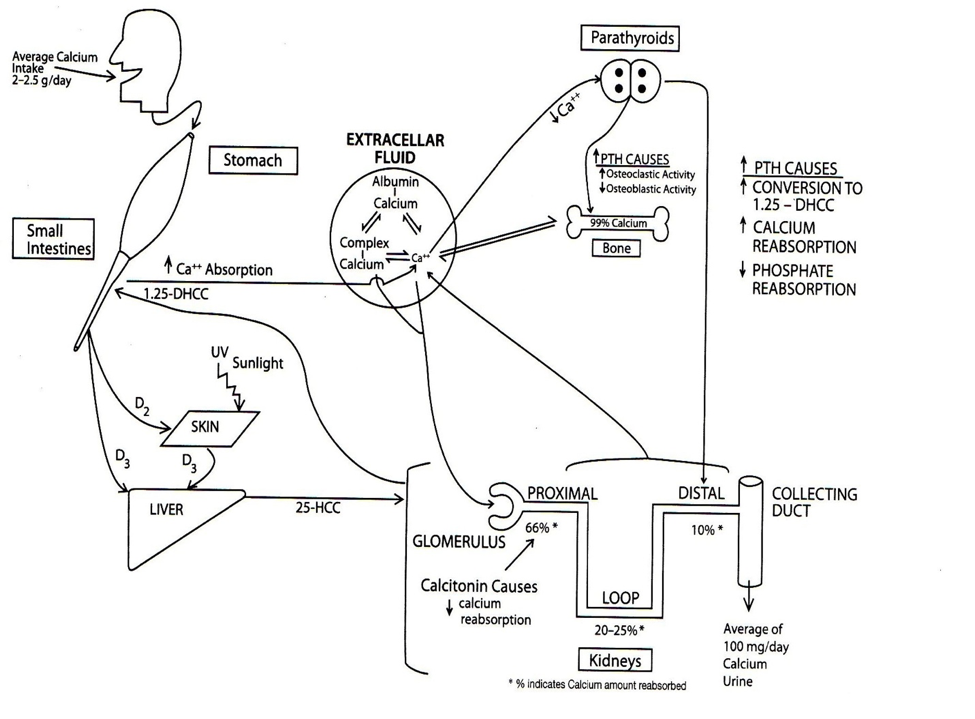
Parathyroid hormone (PTH) is created and stored in the parathyroid glands and is mainly secreted in response to low serum ionized calcium levels.

picture1

PTH increases serum calcium by 3 main mechanisms:

  1. Skeletal Actions
    1. 2 phases
      1. Mobilize calcium from skeletal stores that are immediately accessible
      2. Increase osteoclastic activity
  2. Renal Actions
    1. 3 phases
      1. Increases reabsorption of calcium
        1. Mainly passively in proximal tubule
        2. Can also be actively transported in the cortical thick ascending limb of the loop of Henle and distal convoluted tubules
      2. Inhibits reabsorption of phosphate
        1. Occurs in the proximal tubule
      3. Synthesis of calcitriol
        1. Stimulates synthesis of 1-alpha hydroxylase to convert calcidiol to calcitriol
  3. Intestinal Actions
    1. Increases the intestinal absorption of calcium by calcitriol

picture1


Causes of Parathyroid Dysfunction

  • Hyperparathyroidism
    • Primary
      • Hyperfunctioning adenomas (94%)
        • Primarily parathyroid chief cells
      • Glandular hyperplasia (5%)
        • Inferior > superior
      • Carcinoma (1%)
      • Familial hypocalciuric hypercalcemia (FHH)
        • Autosomal dominant defect in calcium-sensing receptor
      • Secondary
        • Chronic renal disease, malabsorption syndromes
  • Hypoparathyroidism
    • Iatrogenic
      • Postsurgical
      • Postradiation
    • Autoimmune
      • Autoimmune polyglandular syndrome
      • Calcium-sensor receptor antibodies
    • Genetic
      • Abnormal development
      • Mutations in calcium-sensing receptor

Signs and Symptoms of Parathyroid Dysfunction

  • Hyperparathyroidism
    • “Stones”
      • Nephrolithiasis (up to 20%)
      • Renal insufficiency
    • “Bones”
      • Decreased bone mineral density
    • “Abdominal groans”
      • Nausea, vomiting, anorexia
      • Peptic ulcer disease
      • Pancreatitis
    • “Porcelain Thrones”
      • Polyuria, constipation
    • “Psychiatric moans”
      • Depression, psychosis, delirium
    • “Fatigue overtones”
      • Lethargy, fatigue
  • Hypoparathyroidism
    • Acute
      • Due to hypocalcemia postsurgery
        • Perioral numbness, paraesthesias, muscle cramps, tetany, Chvostek’s sign, Trousseau’s sign
    • Chronic
      • Basal ganglia calcifications
        • Can cause parkinsonism, dystonia, dementia
      • Cataracts
      • Dental abnormalities (congenital)
        • Dental hypoplasia, defective enamel
      • Dermal
        • Dry, puffy skin
        • Coarse, brittle, and sparse hair
        • Brittle nails

Laboratory Screening

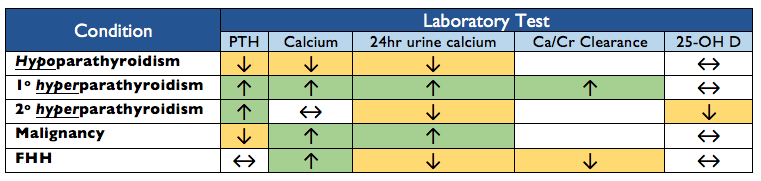
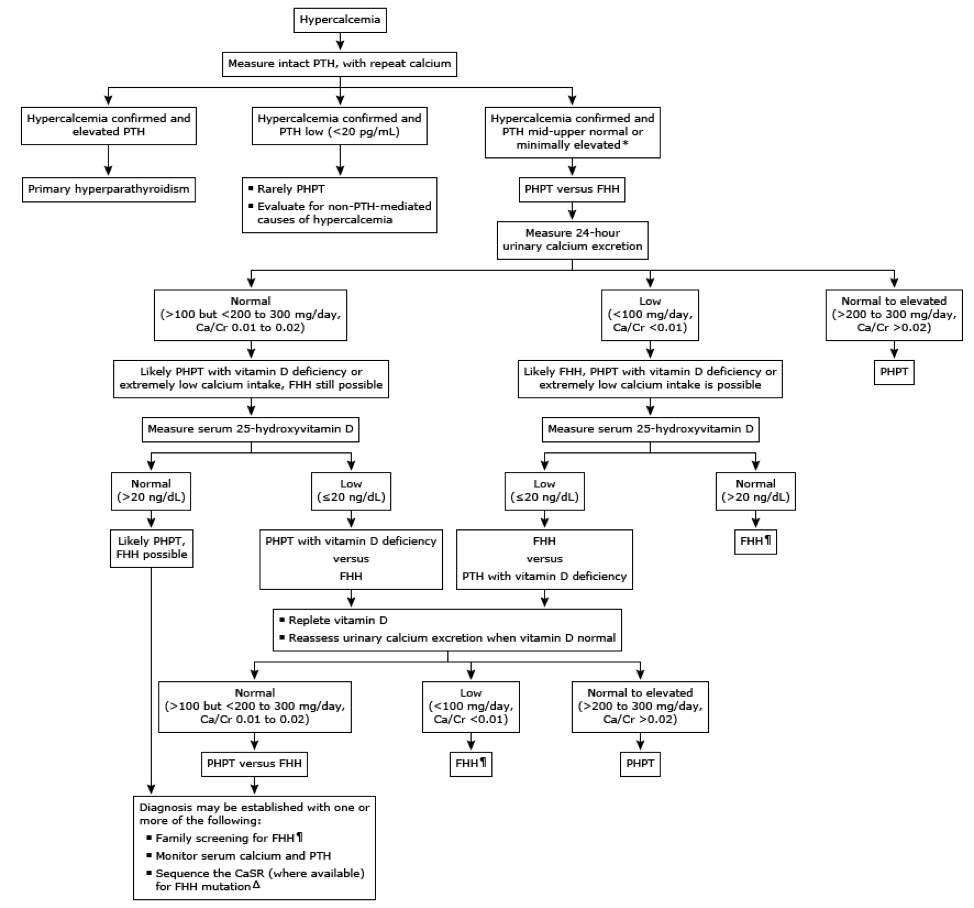
4 main laboratory studies to help differentiate the different causes of parathyroid dysfunction:

  • Serum PTH
  • Serum calcium
  • 24-hour urinary calcium
  • Serum 25-hydroxyvitamin D

picture1

screen-shot-2016-09-26-at-6-39-00-am

picture1

Hypercalcemia Work-up


Management

  • Hypoparathyroidism
    • Acute (postsurgical)
      • 10mL ampule of 10% calcium gluconate in 50mL of D5W over 10-20 minutes followed by a calcium gluconate infusion
        • Weaned after calcium ≥ 7.5mg/dL and asymptomatic
      • Oral calcitriol (0.5 mcg BID) and calcium carbonate (0.5-2g BID)
    • Chronic
      • Oral calcium carbonate or citrate 1000-2000 mg/day
      • Oral calcitriol 0.5-2 mcg/day
      • Recombinant human PTH can be used to decrease calcium and vitamin D dosing if patients develop side effects
  • Hyperparathyroidism
    • Primary
      • Surgical Indications (any of these with laboratory findings):
        • Age < 50
        • Serum calcium ≥ 1mg/dL above upper limit of normal
        • DXA T-score ≤ -2.5
        • Vertebral fracture
        • Creatinine clearance < 60 mL/min
        • 24-hour urine calcium ≥ 400 mg/day
        • Presence of nephrolithiasis
      • Preoperative Imaging (Review of parathyroid imaging here)
        • Sestamibi-single photon emission computed tomography (MIBI-SPECT)
          • Allows for visualization of adenoma, hyperactive glands, or ectopic glands prior to surgery
          • Sensitivity – 70-81%, PPV – 91-95%
          • picture1
      • Procedure
        • Bilateral neck exploration
      • Medical
        • Bisphosphonates
          • Inhibits bone resorption and improves bone mass
          • Alendronate
        • Calcimimetics
          • Activate calcium-sensing receptors in the parathyroid gland, which decrease PTH secretion
          • Cinacalcet
        • Vitamin D
    • Secondary
      • Phosphate binders
      • Vitamin D supplementation

References

  1. Potts JT, Juppner H. Parathyroid hormone: Molecular biology and regulation. In: Principles of Bone Biology, Bilezikian JP, Raisz LG, Rodan GA (Eds), Academic Press, San Diego 1996. p.325.
  2. Diaz R, El-Hajj Fuleihan G, Brown EM. Regulation of parathyroid function. In: Handbook of Physiology, Section 7: The Endocrine System, Fray GGS (Ed), Oxford University Press, New York 1999.
  3. Talmage RV, Mobley HT. Calcium homeostasis: reassessment of the actions of parathyroid hormone. General and Comparative Endocrinology. 2008;156(1):1-8. [pubmed]
  4. van Abel M, Hoenderop JG, van der Kemp AW, Friedlaender MM, van Leeuwen JP, Bindels RJ. Coordinated control of renal Ca(2+) transport proteins by parathyroid hormone. Kidney International. 2005;68(4):1708-21. [pubmed]
  5. Bartsch D, Nies C, Hasse C, Willuhn J, Rothmund M. Clinical and surgical aspects of double adenoma in patients with primary hyperparathyroidism. The British Journal of Surgery. 1995;82(7):926-9. [pubmed]
  6. Ruda JM, Hollenbeak CS, Stack BC. A systematic review of the diagnosis and treatment of primary hyperparathyroidism from 1995 to 2003. Otolaryngology. 2005;132(3):359-72. [pubmed]
  7. Rafferty MA, Goldstein DP, Rotstein L. Completion thyroidectomy versus total thyroidectomy: is there a difference in complication rates? An analysis of 350 patients. Journal of the American College of Surgeons. 2007;205(4):602-7. [pubmed]
  8. Silverberg SJ, Bilezikian JP. Evaluation and management of primary hyperparathyroidism. The Journal of Clinical Endocrinology and Metabolism. 1996;81(6):2036-40. [pubmed]
  9. Coker LH, Rorie K, Cantley L. Primary hyperparathyroidism, cognition, and health-related quality of life. Annals of Surgery. 2005;242(5):642-50. [pubmed]
  10. Rastogi R, Beauchamp NJ, Ladenson PW. Calcification of the basal ganglia in chronic hypoparathyroidism. The Journal of Clinical Endocrinology and Metabolism. 2003;88(4):1476-7. [pubmed]
  11. Stein R, Godel V. Hypocalcemic cataract. Journal of Pediatric Ophthalmology and Strabismus. 1980;17(3):159-61. [pubmed]
  12. Kinirons MJ, Glasgow JF. The chronology of dentinal defects related to medical findings in hypoparathyroidism. Journal of Dentistry. 1985;13(4):346-9.[pubmed]
  13. Goltzman D, Cole DEC. Hypoparathyroidism. In: Primer on the metabolic bone diseases and disorders of mineral metabolism, 6th ed, Favus MJ. (Ed), American Society of Bone and Mineral Research, Washington, DC 2006. p.216.
  14. Winer KK, Ko CW, Reynolds JC. Long-term treatment of hypoparathyroidism: a randomized controlled study comparing parathyroid hormone-(1-34) versus calcitriol and calcium. The Journal of Clinical Endocrinology and Metabolism. 2003;88(9):4214-20. [pubmed]
  15. Bilezikian JP, Brandi ML, Eastell R. Guidelines for the management of asymptomatic primary hyperparathyroidism: summary statement from the Fourth International Workshop. The Journal of Clinical Endocrinology and Metabolism. 2014;99(10):3561-9. [pubmed]
  16. Eslamy HK, Ziessman HA.  Parathyroid sctinigraphy in patients with primary hyperparathyroidism: 99mTc sestamibi SPECT and SPECT/CT.  Radiographics.  2088;28:1461-1476.

PAINE PANCE Pearl – Endocrine


What are the indications for high-intensity statin therapy for hyperlipidemia?

New joint guidelines were released in 2013 by ACC/AHA on the management of hyperlipidemia.  In these guidelines, there are 3 criteria for high intensity statin therapy:

  1. Age < 75 years with a clinical Atherosclerotic Cardiovascular Disease (ASCVD):
    1. Acute coronary syndrome
    2. Myocardial infarction
    3. Stable or unstable angina
    4. Revascularization procedures
    5. Cerebrovascular disease
    6. Peripheral arterial disease
  2. LDL ≥ 190 mg/dL
  3. Age 40-75 years, with diabetes, LDL 70-189 mg/dL, and 10-year ASCVD risk > 7.5%
screen-shot-2016-09-16-at-12-05-18-pm

2013 ACC/AHA Hyperlipidemia Guidelines


What are the drugs and dosing for high-intensity statin therapy?

There are only 2 medications that have been studied that are recommended for high-intensity statin therapy:

  1. Atorvastatin 40-80mg daily
  2. Rosuvastatin 20-40mg daily
screen-shot-2016-09-16-at-12-06-37-pm

2013 ACC/AHA Hyperlipidemia Guidelines

2013-acc-hyperlipidemia-internal-medicine2-e1411205764336

Knowmedge


Reference

  1. Stone NJ, Robinson JG, Lichtenstein AH. 2013 ACC/AHA guideline on the treatment of blood cholesterol to reduce atherosclerotic cardiovascular risk in adults: a report of the American College of Cardiology/American Heart Association Task Force on Practice Guidelines. Journal of the American College of Cardiology. 63(25 Pt B):2889-934. 2014. [pubmed]