#14 – Ankle Sprains


Epidemiology

  • 25,000 ankle sprains each day in United States
  • Up to 30% of outpatient sports medicine clinics
  • Ankle injuries are the most common type of injury in high school athletes

Anatomy

  • Lateral
    • Lateral Collateral Complex
      • Anterior talofibular ligament (most common)
      • Calcaneofibular ligament (2nd most common)
      • Posterior talofibular ligament
    • Mechanism of Injury
      • Inversions with either dorsiflexion or plantarflexion

Picture1

  • Medial
    • Deltoid Complex
      • Posterior tibiotalar ligament
      • Tibiocalcaneal ligament
      • Tibionavicular ligament
      • Anterior tibiotalar ligament
    • Mechanism of Injury
      • Forced eversion

Picture12png

  • Syndesmotic (high ankle sprain)
    • Distal Tibiofibular Syndesmosis
      • Anterior-inferior tibiofibular ligament
      • Posterior-inferior tibiofibular ligament
      • Transverse tibiofibular ligament
      • Interosseous membrane
      • Interosseous ligament
      • Inferior transverse ligament
    • Mechanism of Injury
      • External rotation with dorsiflexion

Picture2

Important History Questions

  • What was the mechanism of injury?
  • Could you walk immediately after the injury?
  • Can you walk now?
  • Any previous history of ankle injuries?

Physical Exam

  • Observation
    • Swelling or ecchymosis
    • Ambulation to exam room
  • Palpation
    • Bony
      • Entire fibula (from lateral malleolus to fibular head)
      • Lateral malleolus
      • 5th metatarsal
      • Navicular
    • Soft Tissue
      • Palpate each ligament based on mechanism
    • Special Maneuvers
      • Lateral Injuries
        • Anterior drawer
          • Stabilize proximal leg to the ankle and grasp calcaneous and apply anterior force
        • Talar tilt
          • Stabilize proximal leg to ankle and grasp calcaneous and apply inversion force
      • Syndesmotic Injuries
        • Squeeze test (Hopkin’s test)
          • Compression of tibia and fibula at mid calf
        • External rotation stress test (Kleiger’s test)
          • Stabilize proximal leg to the ankle and applying external rotation force to the forefoot

Grading and Classifications

Screen Shot 2016-05-24 at 1.23.12 PM

Indications for Radiography

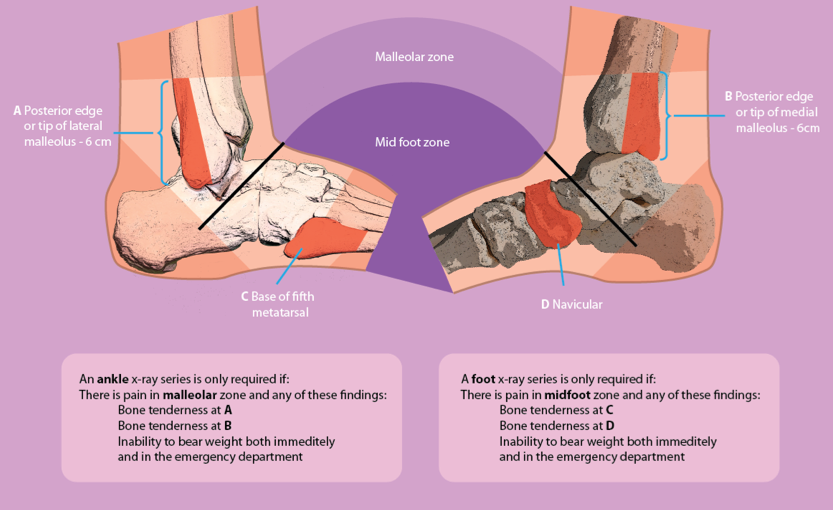
  • Ottawa Rules of Foot and Ankle
    • Published in 1996 and showed reduction of ankle x-rays by 28% if none of the following are present:
      • Posterior lateral malleolar tenderness
      • Posterior medial malleolar tenderness
      • Base of 5th metatarsal tenderness
      • Navicular tenderness
      • Inability to ambulate both immediately and in the ED

Picture1

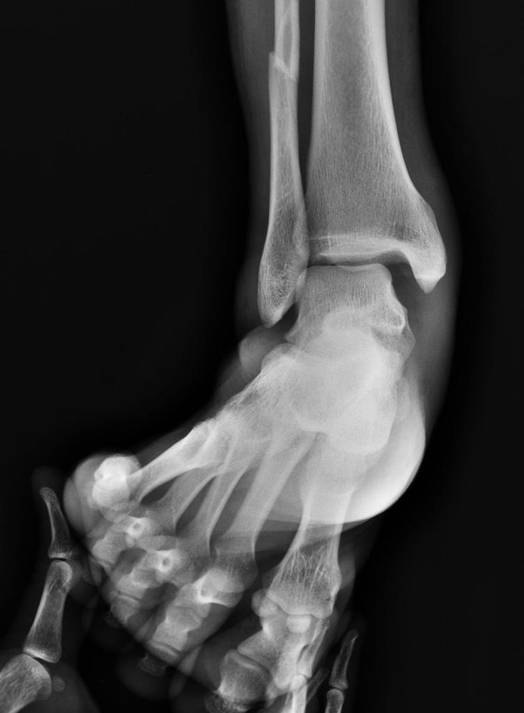
  • Views
    • Standard three views (AP, Lateral, Mortise)

Picture1

  • Varus stress view

Picture1

  • MRI
    • Used for clinically suspicious of syndesmotic injury with normal radiographs

Picture1

Management

  • Orthopaedic Referral
    • Fracture
    • Dislocation/Subluxation
    • Syndesmotic injury
    • Tendon rupture
    • Uncertain diagnosis
  • Non-operative
    • Low ankle
      • RICE
        • Cryotherapy 20 min every 2 hours for 48 hours
      • May use crutches and NWB up to 10 days (Grade II and III)
        • Early immobilization = better recovery
        • Cast vs CAM Boot vs Aircast
      • NSAIDs for pain control
      • Refer to physical therapy for grade II and III for rehabilitation exercises
    • Syndesmotic
      • CAM Boot vs short leg cast for 2-3 weeks
  • Operative
    • Indications
      • Low Ankle
        • Any grade with continued pain and instability despite extensive non-operative management
        • Any grade with bony avulsion
      • Syndesmotic
        • Instability on radiographs
        • Continued pain despite conservative pain
        • Associated ankle fracture
    • Procedures
      • Low Ankle
        • Modified Brostrum
          • Anatomic shortening and reinsertion of the ATFL and CFL
        • Tendon transfer and tenodesis
      • Syndesmotic
        • Screw fixation
        • Suture button

Athlete Return to Play

Screen Shot 2016-05-24 at 1.32.40 PM

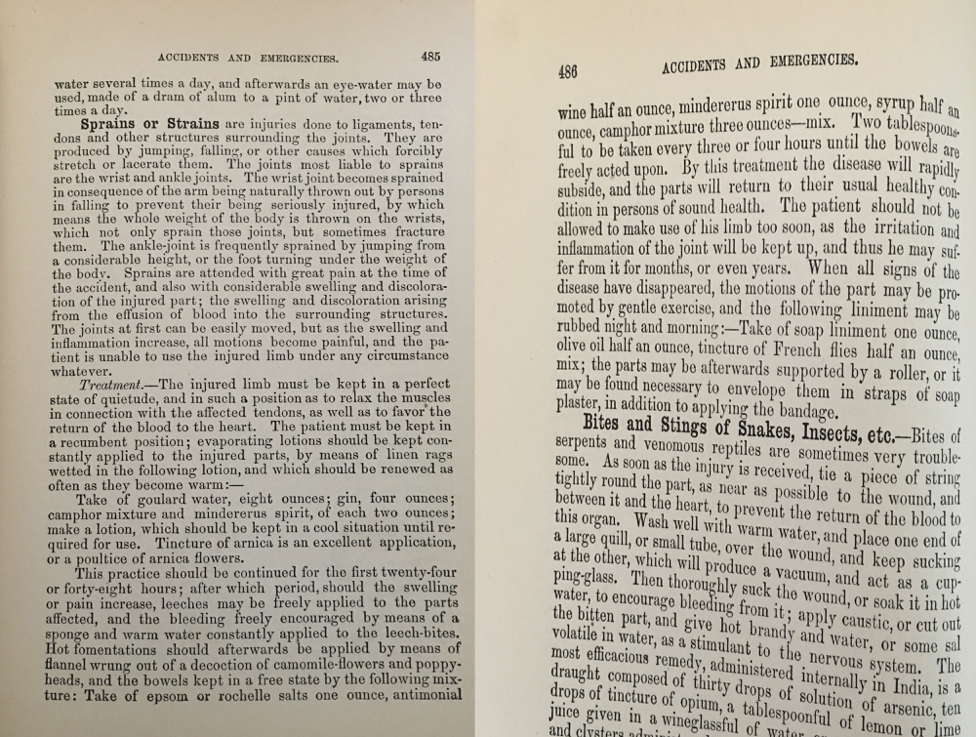
Cottage Physician

Picture1


References

  1. American College of Sports Medicine. Fact Sheets: Ankle Sprains. http://www.acsm.org/public-information/brochures-fact-sheets/fact-sheets.  Accessed May 23, 2016.
  2. Wheeless’ Textbook of Orthopaedics. Ankle Sprain. http://www.wheelessonline.com/ortho/ankle_sprain.  Accessed May 23, 2016.
  3. Low Ankle Sprain.  http://www.orthobullets.com/foot-and-ankle/7028/low-ankle-sprain.  Accessed May 23, 2016.
  4. High Ankle Sprain.  http://www.orthobullets.com/foot-and-ankle/7029/high-ankle-sprain.  Accessed May 23, 2016.
  5. Stiell I. Ottawa ankle rules. Can Fam Physician. 1996;42:478-80.
  6. Tiemstra JD. Update on Acute Ankle Sprains.  Am Fam Physician.  2012;85(12):1170-1176.
  7. De Brucker Y, Jager T, Devos H, Boulet CG, Kichouh M, De Maeseneer M, Shahabpour M, de May J. Trauma mechanism in ankle fracture: Let’s do the twisthttp://posterng.netkey.at/esr/viewing/index.php?module=viewing_poster&task=viewsection&pi=121495&ti=402298&searchkey=.  Accessed May 24, 2016.
  8. Stress view of ankle – with deltoid ligament tearhttp://radiopaedia.org/cases/stress-view-of-ankle-with-deltoid-ligament-tear.  Accessed May 24, 2016.
  9. Hocutt JE, Jaffe R, Rylander CR, Beebe JK. Cryotherapy in ankle sprains. Am J Sports Med. 1982;10(5):316-9.
  10. Seah R, Mani-babu S. Managing ankle sprains in primary care: what is best practice? A systematic review of the last 10 years of evidence. Br Med Bull. 2011;97:105-35.
  11. Bleakley CM, O’connor SR, Tully MA, et al. Effect of accelerated rehabilitation on function after ankle sprain: randomised controlled trial. BMJ. 2010;340:c1964.
  12. Tsao LY.  Radsource.  High Ankle Sprain. http://radsource.us/high-ankle-sprains/.  Accessed May 24, 2016.

Answer to Neuro Question

19yo male is brought into the emergency department by EMS after getting into an altercation and getting knocked unconscious.  He unsure of how long he was out, but he came to once EMS arrived.  He denies any nausea, vomiting, or vision changes.  He is drowsy/lethargic with his eyes closed, but is arousable to voice.  He can carry on a conversation, but he needs frequent redirection and he does not know where he is.  While talking with him, the nurse starts an IV and he tries to swat her away with his opposite hand.


What is the classic score we use and what is his score?

The Glasgow Coma Scale (GCS) was first devised in 1974 and has been the predominant neurologic scoring system since.  It takes into account 3 main variables and each variable has a point score attached to it.  The maximum score is 15 and the minimum score is 3 (3T if intubated).

  • Eye opening
    1. 4 points – Spontaneous
    2. 3 points – To speech
    3. 2 points – To pain
    4. 1 point – None
  • Verbal Response
    1. 5 points – Oriented
    2. 4 points – Confused conversation
      1. Not sure where they are, or what their name is
    3. 3 points – Inappropriate words
      1. They speak real words, but they are not in context
    4. 2 points – Incomprehensible sounds
    5. 1 point – None
  • Motor Response
    1. 6 points – Obeys commands
    2. 5 points – Localizes to pain
      1. Crosses midline/clavicles to remove painful stimuli
    3. 4 points – Withdrawal to pain
      1. Moves extremity/head away from painful stimuli
    4. 3 points – Decorticate (flexor) posturing
    5. 2 points – Decerebrate (extensor) posturing
    6. 1 point – None

Our patient’s score is 3E + 4V + 5M = 12

How good is it?

The GCS was never designed to be used for acute injury.  It was created to monitor changes in neurologic status of patients in a neurosurgical unit and was not designed to have the 3 individual variables combined into one score.  Here are the important limitations of the GCS.

  • The GCS is NOT reliable
    1. It is made up of subjective elements that are open to the interpretation of each provider assessing the patient and has been repeated shown to have poor inter-rater reliability.
      1. One study showed only a 38% accuracy between raters and were 2 or more points off 33% of the time.
  • Providers CAN’T remember the scale
    1. It has too many elements and is regarded as too complicated to be easily, and rapidly applied to patients
    2. In 2003, it was discovered that 25% of British hospitals were using the original 12-point scale instead of the current 13-point scale without anyone noticing.
  • The GCS is only GROSSLY predictive
    1. It is not designed to predict outcomes of patients with acute neurologic injury.
  • The GCS is NOT equal to the sum of its parts
    1. The original creators vehemently opposed the summed total score because it assumes that each variable is equal to the others in terms of importance
      1. Example
        1. GCS of 4 with 1E + 1V + 2M = 48% mortality
        2. GCS of 4 with 1E + 2V + 1M = 27% mortality
        3. GCS of 4 with 2E + 1V + 1M = 19% mortality

Are there any other scoring systems out there?

The motor subscale of the GCS has been proven to be most predictive of outcomes in patients with neurologic trauma and injury.  This has led to debate about whether to do away with the other 2 subscales and use just the motor score (since it has been shown to close to linear in regards to survival).

Healy C. J Trauma. 2003.

Healy C. J Trauma. 2003.

But this is still 6 points and some argue can be further simplified.  One study broke down the 6-point motor subscale and found that only 3 of those were statistically important.  Those are:

  • Obeys commands
  • Localizes to pain
  • Withdrawal to pain or less

This new Simplified Motor Scale can be remembered by the acronym TROLL (Test Responsiveness: Obeys, Localizes, Less).  2 other simplified scores have also been created to help quickly determine neurologic status.  These are:

  1. AVPU
    1. Alert
    2. Responds to verbal stimuli
    3. Responds to painful stimuli
    4. Unresponsive
  2. ACDU
    1. Alert
    2. Confused
    3. Drowsy
    4. Unresponsive

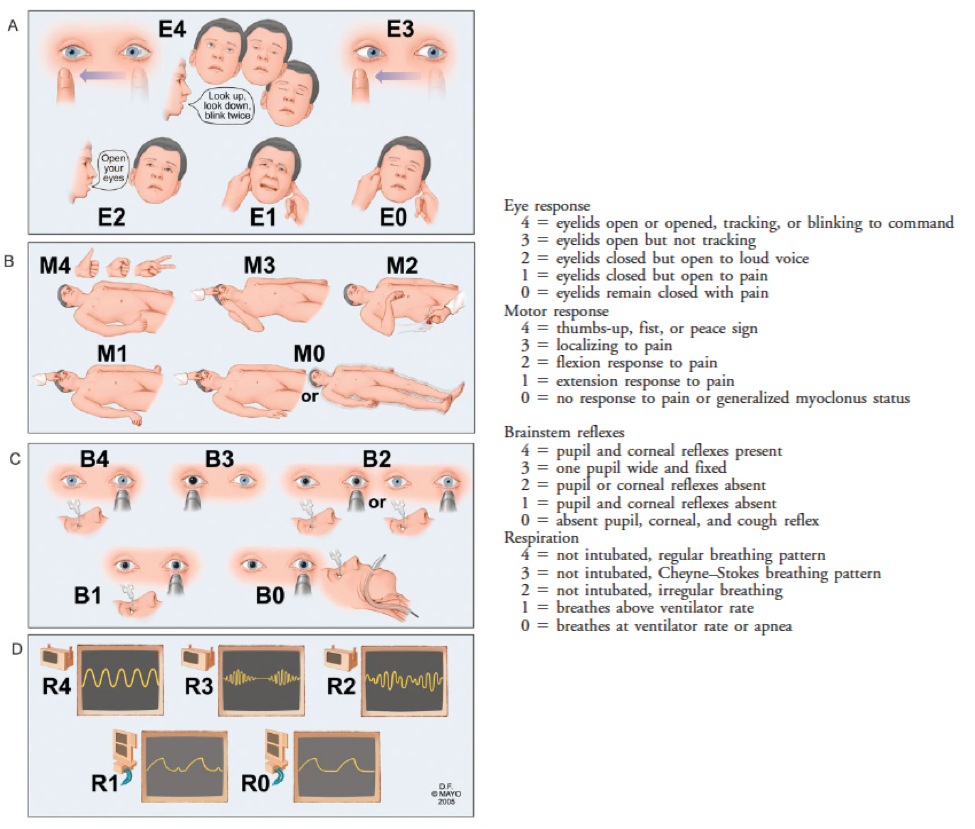
There is another, although more complicated, score called the FOUR score, which has 4 components and stands for Full Outline of UnResponsiveness.  Unfortunately, it is even more complicated than the GCS (in the original study it was performed by neurologic specialists, not general practitioners) and it performed just as poorly in external validation studies as the GCS.

Wijdicks EF. Ann Neurol. 2005.

Wijdicks EF. Ann Neurol. 2005.


Bottom Line

GCS is essentially worthless clinically even when it is calculated correctly.  Simplified scores give just as much information, are easier to use, and are just as predictive. But….you will always be asked “what is the patient’s GCS”, in spite of the growing evidence against it.


References

  1. Teasdale G, Jennett B. Assessment of coma and impaired consciousness. A practical scale. Lancet. 1974;2(7872):81-4.
  2. Green SM. Cheerio, laddie! Bidding farewell to the Glasgow Coma Scale. Ann Emerg Med. 2011;58(5):427-30.
  3. Teasdale G, Jennett B, Murray L, Murray G. Glasgow coma scale: to sum or not to sum. Lancet. 1983;2(8351):678.
  4. Zuercher M, Ummenhofer W, Baltussen A, Walder B. The use of Glasgow Coma Scale in injury assessment: a critical review. Brain Inj. 2009;23(5):371-84.
  5. Healey C, Osler TM, Rogers FB, et al. Improving the Glasgow Coma Scale score: motor score alone is a better predictor. J Trauma. 2003;54(4):671-8.
  6. Gill M, Windemuth R, Steele R, Green SM. A comparison of the Glasgow Coma Scale score to simplified alternative scores for the prediction of traumatic brain injury outcomes. Ann Emerg Med. 2005;45(1):37-42.
  7. Mcnarry AF, Goldhill DR. Simple bedside assessment of level of consciousness: comparison of two simple assessment scales with the Glasgow Coma scale. Anaesthesia. 2004;59(1):34-7.
  8. Wijdicks EF, Bamlet WR, Maramattom BV, Manno EM, Mcclelland RL. Validation of a new coma scale: The FOUR score. Ann Neurol. 2005;58(4):585-93.
  9. Fischer M, Rüegg S, Czaplinski A, et al. Inter-rater reliability of the Full Outline of UnResponsiveness score and the Glasgow Coma Scale in critically ill patients: a prospective observational study. Crit Care. 2010;14(2):R64.

Neuro Question

19yo male is brought into the emergency department by EMS after getting into an altercation and getting knocked unconscious.  He unsure of how long he was out, but he came to once EMS arrived.  He denies any nausea, vomiting, or vision changes.  He is drowsy/lethargic with his eyes closed, but is arousable to voice.  He can carry on a conversation, but he needs frequent redirection and he does not know where he is.  While talking with him, the nurse starts an IV and he tries to swat her away with his opposite hand.


What is the classic score we use and what is his score?

How good is it?

Are there any other scoring systems out there?


#13 – Transient Ischemic Attacks


***LISTEN TO THE PODCAST HERE***


Epidemiology

  • Estimated to be 50-80 per 100,000, or 240,000 per year

Definition

  • Original
    • Neurologic deficits lasting for < 24 hours
      • Can still have permanent tissue injury
Picture1

Ay H. Ann Neuro. 2005;57(5):679-86

  • Consensus from American Heart Association and American Stroke Association
    • Transient episode of neurologic dysfunction caused by focal brain, spinal cord, or retinal ischemia WITHOUT acute infarction
    • Benefits
      • Tissue damage can be seen on imaging (more objective)
        • Thus, encourages early neurodiagnostic tests

Pathophysiology

  • 3 main causes
    • Intrinsic, vessel abnormality
      • Atherosclerosis, lipohyalinosis, dissection, malformation, inflammation
    • Embolic from distal source
    • Inadequate cerebral blood flow
      • Decreased perfusion pressure or increased blood viscosity

Classifications

  • 3 main types
    • Large artery, low-flow
      • Brief (minutes to a few hours), recurrent, and sterotyped due to specific vessel it effects
        • Often due to stenotic internal carotid, middle cerebral, or vertebral-basilar junction
    • Embolic
      • Discrete, infrequent, prolonged (several hours) episode
    • Lacunar, small vessel
      • Stenosis of intracerebral penetrating vessels from middle cerebral, basilar, or vertebral arteries
      • HTN and DMII main culprits

Signs and Symptoms

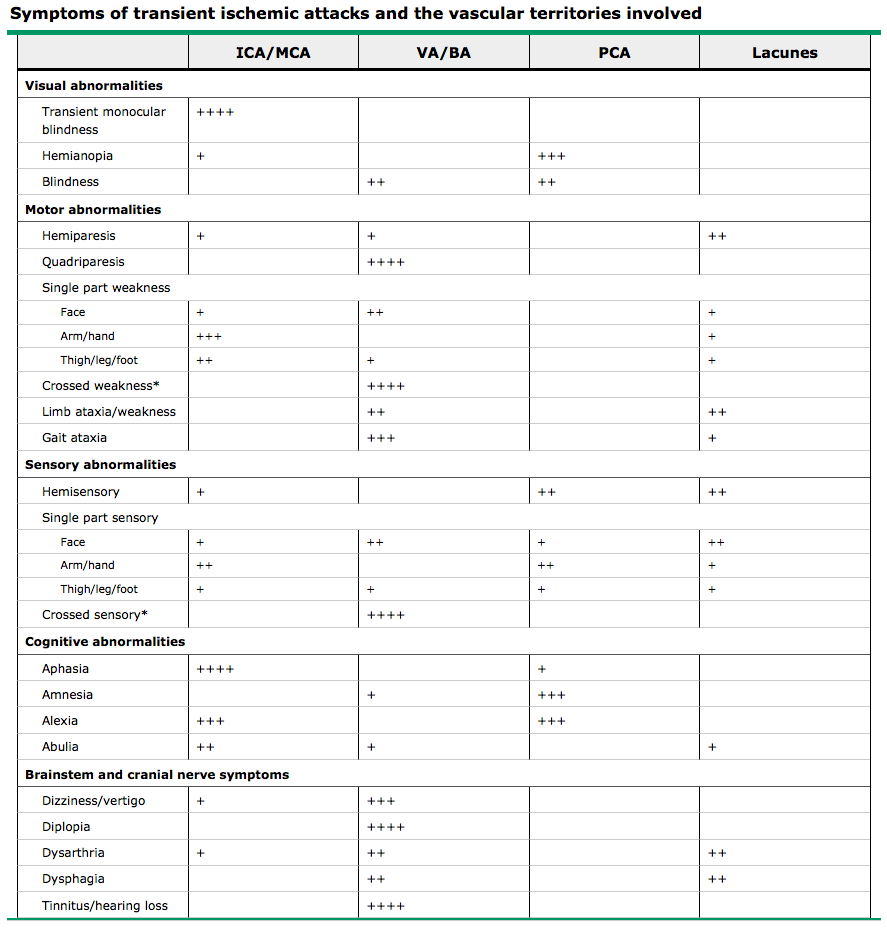
  • All depends on the vessels being effected
  • 2 Global Regions
    • Anterior Circulation
      • Internal carotid arteries
        • Anterior cerebral artery (contralateral LE>UE weakness)
        • Middle cerebral artery (contralateral face/UE>LE)
    • Posterior Circulation
      • Vertebral arteries
        • Basilar artery (crossed deficits, ataxis, visual disturbances)
          • Cerebellar arteries (dizziness, N/V, visual disturbances)
        • Posterior cerebral artery (visual disturbances, contralateral hemiplegia)
UpToDate

UpToDate

  • Disabling symptoms that suggest stroke
    • Complete hemianopsia
    • Severe aphasia
    • Visual/sensory extinction
    • Any weakness limiting sustained effort against gravity
    • NIHSS ≥ 5
    • Inability to walk
    • Modified Rankin Score ≥ 1
    • Any deficit considered potentially disabling to patient or family

Stroke Mimics

  • Seizures
  • Migraine auras
  • Syncope
  • Peripheral vestibulopathies
  • Pressure/position related peripheral neuropathies
  • Metabolic derangements
    • Hypo/hyperglycemia, renal, liver, pulmonary

Initial Evaluation

  • Laboratory studies
    • BMP, CBC, NH4, LFT, PT/PTT/INR
  • EKG
  • Brain imaging
    • Preferred – Brain MRI with diffusion-weighted imaging
    • Suboptimal – Non-contrast head CT
    • CT perfusion scans becoming an option

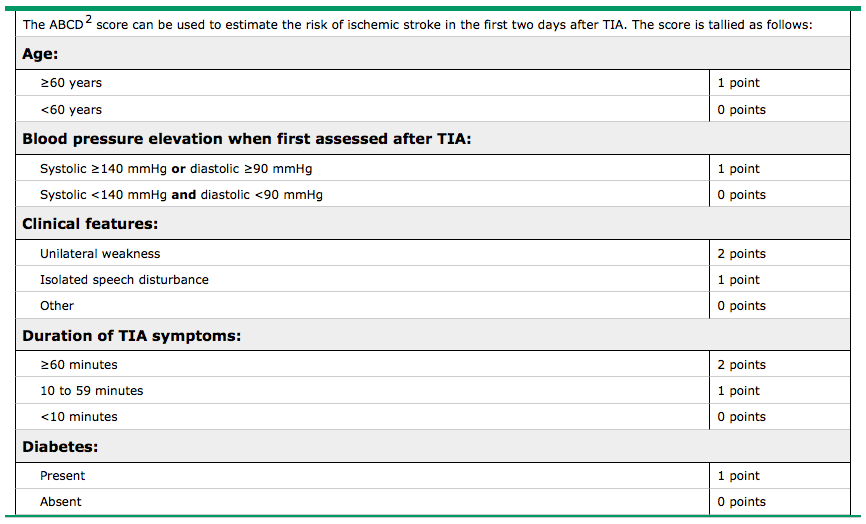
ABCD2 Score

  • Used to estimate the risk of ischemic stroke in the first 48 hours after TIA
  • 2-day stroke risk
    • 0-3 – 1%
    • 4-5 – 4%
    • ≥ 6 – 8%
UpToDate

UpToDate

Admit or Outpatient???

  • Recommend admission for:
    • ABCD2 ≥ 3
    • ABCD2 ≤ 2 and unsure if work-up can be completed in 48 hours as outpatient
    • ABCD2 ≤ 2 and other evidence that this is caused by focal ischemia

Definitive Work-Up

  • Neuroimaging within 24 hours of symptom onset
    • Brain MRI with diffusion-weight imaging
  • Neurovascular evaluation
    • Preferred – 4-vessel catheter angiography
    • Options – CTA, MRA, CDUS, TCD
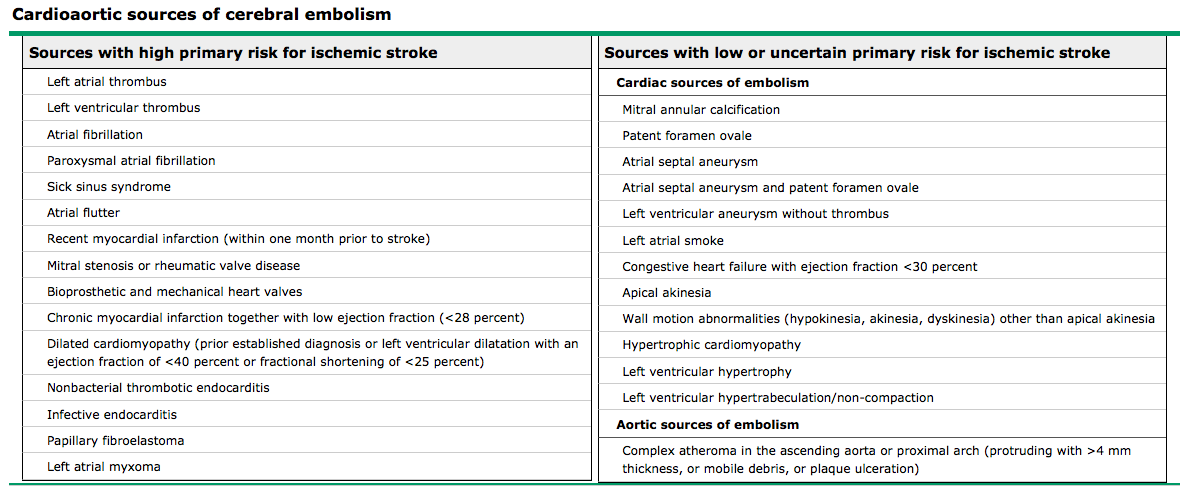
  • Cardiac Evaluation
    • Reasonable to perform if neurovascular work-up is negative
    • TTE if:
      • Patient ≥ 45 years
      • High suspicion of left ventricular thrombus
      • TEE is contraindicated
    • TEE preferred if:
      • Patient < 45 years without history of CVD
      • Patients with atrial fibrillation
      • Patients with mechanical valve
      • Patients with suspected aortic pathology
      • High pretest probability of cardiac embolic source
UpToDate

UpToDate

Secondary Stroke Prevention

  • Medical Management
    • Hypertension
    • Antiplatelet (ASA and clopidogrel)
    • Statins (intensive therapy)
    • Lifestyle modifications
  • Large artery disease
    • Carotid
      • Revascularization
        • Endarterectomy
        • Stenting
    • Extracranial vertebral
      • Angioplasty and stenting
    • Intracranial cerebral vessels
      • Intensive medical management
  • Small artery disease
    • Intensive medical management
  • Cardiogenic embolism
    • Atrial fibrillation
      • Lifelong anticoagulation
    • Myocardial infarction and left ventricular thrombus
      • Anticoagulation for at least 3 months
    • Mitral valve disease (prolapse, calcification)
      • Antiplatelet

Recent Study (video explanation)

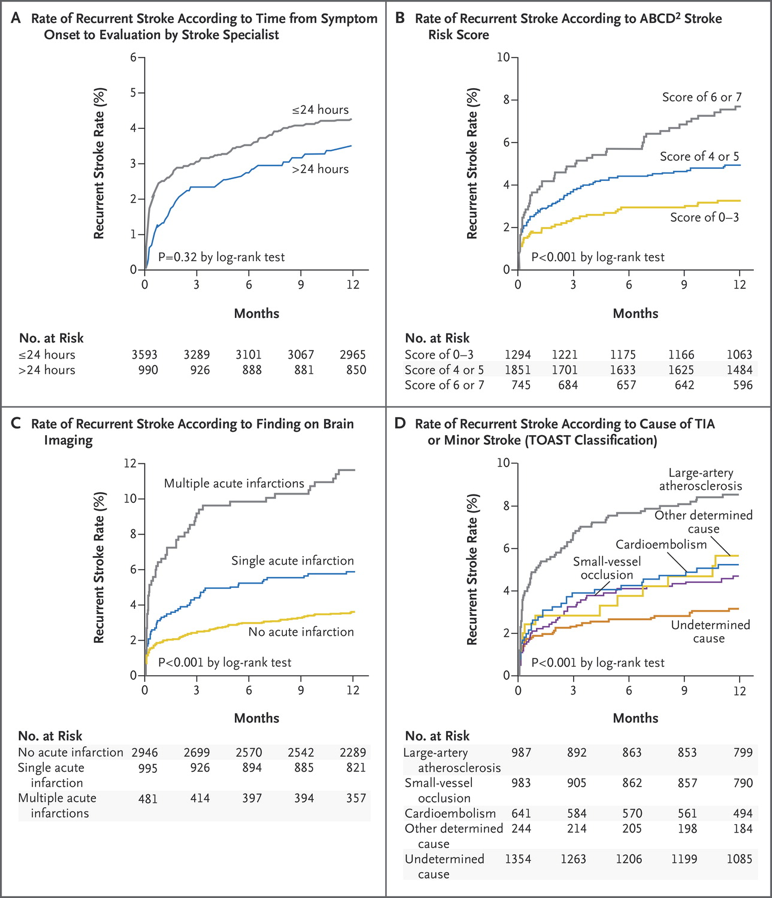
One-Year Risk of Stroke after Transient Ischemic Attack or Minor Stroke (TIA Registry Investigators)

  • 4789 patients, 61 sites in 21 countries
  • Patients
    • ≥ 18 years and had a TIA or minor stroke in the last 7 days
      • Mean age – 66years
      • 70% had HTN and DM
      • 87% sought attention within 24 hours
    • Modified Rankin scale ≤ 1
  • Timeline
    • 2-day, 7-day, 30-day, 90-day, and 1-year (following for 5-years)
    • Followed median 27.2 months
  • Outcomes
    • Primary (composite)
      • Death from CV causes
      • Nonfatal stroke
      • Nonfatal ACS
    • Secondary
      • Individual components of primary
      • TIA recurrence
      • Death from any cause
      • Bleeding
  • Results
    • Primary
      • 2% incidence of major fatal or nonfatal CV events
      • Estimate of stroke risk was 5.1%
        • Highest in 1st 90-days
    • Patients with ABCD2 score ≤ 3 still had a 20% early recurrent stroke
    • Higher ABCD2 score, large artery atherosclerosis, and multiple infarctions on imaging are strong independent predictors of recurrent events
    • Risk of recurrent stroke was less than half of expected historical cohorts
      • Attributed to faster and more aggressive secondary prevention
Amarenco P. NEJM. 2016;374(16):1533-42

Amarenco P. NEJM. 2016;374(16):1533-42

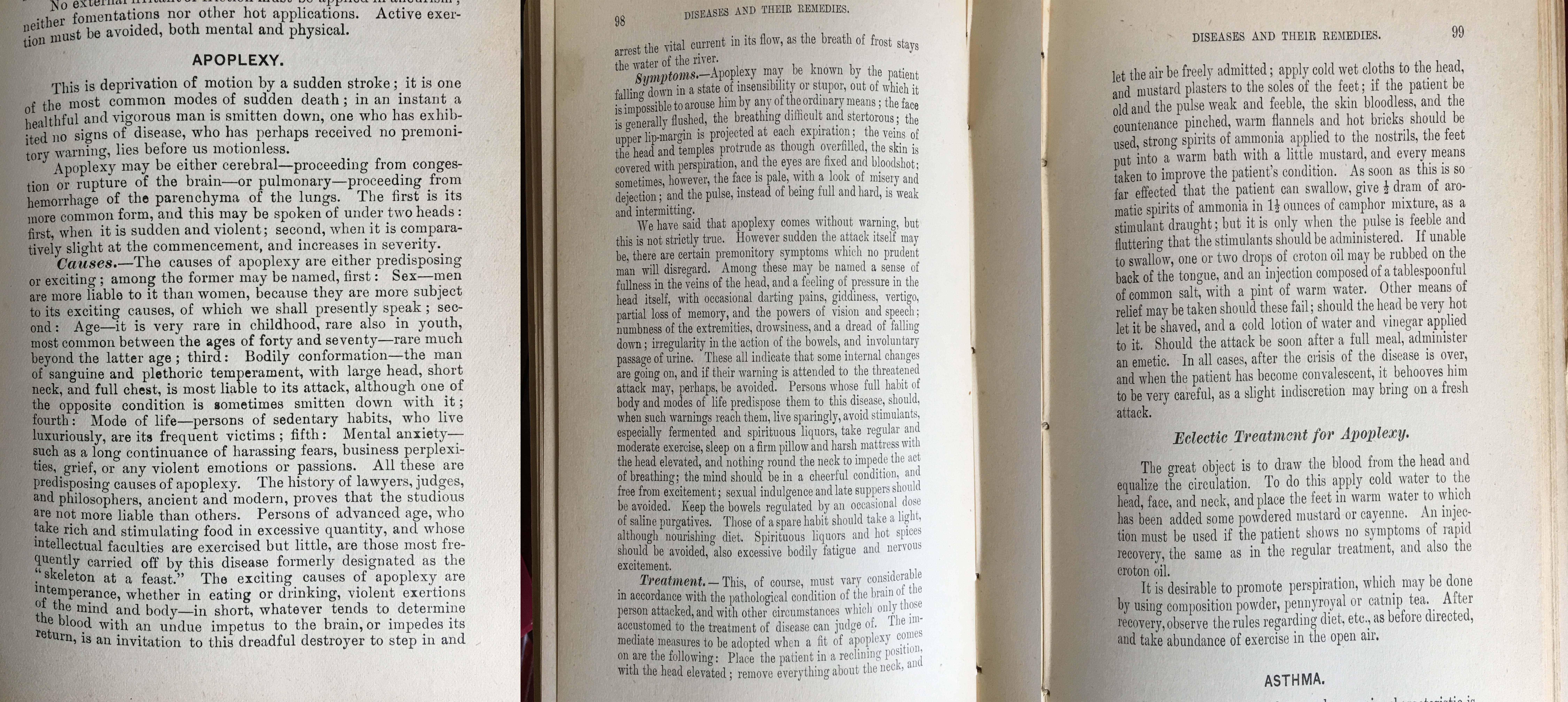
Cottage Physician

Cottage Physician - 1893

Cottage Physician – 1893


References

  1. Go AS, Mozaffarian D, Roger VL, et al. Heart disease and stroke statistics–2014 update: a report from the American Heart Association. Circulation. 2014;129(3):e28-e292.
  2. Easton JD, Saver JL, Albers GW, et al. Definition and evaluation of transient ischemic attack: a scientific statement for healthcare professionals from the American Heart Association/American Stroke Association Stroke Council; Council on Cardiovascular Surgery and Anesthesia; Council on Cardiovascular Radiology and Intervention; Council on Cardiovascular Nursing; and the Interdisciplinary Council on Peripheral Vascular Disease. The American Academy of Neurology affirms the value of this statement as an educational tool for neurologists. Stroke. 2009;40(6):2276-93.
  3. Furie KL, Ay H. Initial evaluation and management of transient ischemic attacks and minor ischemic stroke.  In: UpToDate.  Waltham, MA.
  4. Ay H, Koroshetz WJ, Benner T, et al. Transient ischemic attack with infarction: a unique syndrome?. Ann Neurol. 2005;57(5):679-86.
  5. Quinn TJ, Dawson J, Walters MR, Lees KR. Reliability of the modified Rankin Scale: a systematic review. Stroke. 2009;40(10):3393-5.
  6. Levine SR, Khatri P, Broderick JP, et al. Review, historical context, and clarifications of the NINDS rt-PA stroke trials exclusion criteria: Part 1: rapidly improving stroke symptoms. Stroke. 2013;44(9):2500-5.
  7. Brott T, Adams HP, Olinger CP, et al. Measurements of acute cerebral infarction: a clinical examination scale. Stroke. 1989;20(7):864-70.
  8. Johnston SC, Rothwell PM, Nguyen-huynh MN, et al. Validation and refinement of scores to predict very early stroke risk after transient ischaemic attack. Lancet. 2007;369(9558):283-92.
  9. Johnston SC, Nguyen-huynh MN, Schwarz ME, et al. National Stroke Association guidelines for the management of transient ischemic attacks. Ann Neurol. 2006;60(3):301-13.
  10. Kernan WN, Ovbiagele B, Black HR, et al. Guidelines for the prevention of stroke in patients with stroke and transient ischemic attack: a guideline for healthcare professionals from the American Heart Association/American Stroke Association. Stroke. 2014;45(7):2160-236.
  11. Whitlock RP, Sun JC, Fremes SE, Rubens FD, Teoh KH. Antithrombotic and thrombolytic therapy for valvular disease: Antithrombotic Therapy and Prevention of Thrombosis, 9th ed: American College of Chest Physicians Evidence-Based Clinical Practice Guidelines. Chest. 2012;141(2 Suppl):e576S-600S.
  12. Amarenco P, Lavallée PC, Labreuche J, et al. One-Year Risk of Stroke after Transient Ischemic Attack or Minor Stroke. N Engl J Med. 2016;374(16):1533-42.

Why Do I Do This……


“A person who feels appreciated will always do more than what is expected.” (Author unknown)


This quote I came across many moons ago has been ringing in my head for the past few days.  Even though I am still considered a “young” professional at 36 and I was born in the transition years between Generation X and Millennials, I still feel I have an old-school professional ethos.

Do your job…work hard…do what is asked…don’t ask for anything….let your work speak for itself.

I know this blog is meant to be educational and to teach you something about medicine so you can better take care of patients in the clinical setting.  But…one of the more selfish reason I created it was because I wanted to see the fruits of my labor and feel like I accomplished something important.  Academic publishing has always been a fickle beast.  You spend weeks to months writing a manuscript and submit it to a journal, only to be judged by a select few that will decide the fate of your work.  Sometimes it is accepted….sometimes it is rejected…and sometimes it hangs out in limbo accepted but not published for years (I have 2 papers that I wrote in 2014 that have yet to be published).  This is why I started the blog and podcast.  I have control over what I do and when it gets out for people to read and listen to.

I think it more important to disseminate information and teach to whoever wants to learn, than to write for journals (that nobody reads) just because “this is what we do in academia”.  My hope is this paradigm will shift in the future as more and more people see the benefit non-traditional educational activities and how it can be used as scholarly work.  But unfortunately….this is not the day.

I never fancied myself as a writer, but I am starting to have that cathartic feeling that so many writers have.  For the 5 or 6 of you that read this blog, thank you.  The PAINE Podcast and Blog is the single most important professional endeavor I have ever done because it benefits only you, me, and patients.  No journals…no professional societies…no third parties.  The feedback I get from my students, the social media universe, and other professionals I work with tells me what I am doing means something and for that, I will always be grateful.  To me, that is more important than publications, grant funding, or research.

I leave you with “The Man in The Arena” by Theodore Roosevelt that really sums up how I have been feeling of late.

CeyvOj4W8AA05W8

“The Man in the Arena” by Theodore Roosevelt

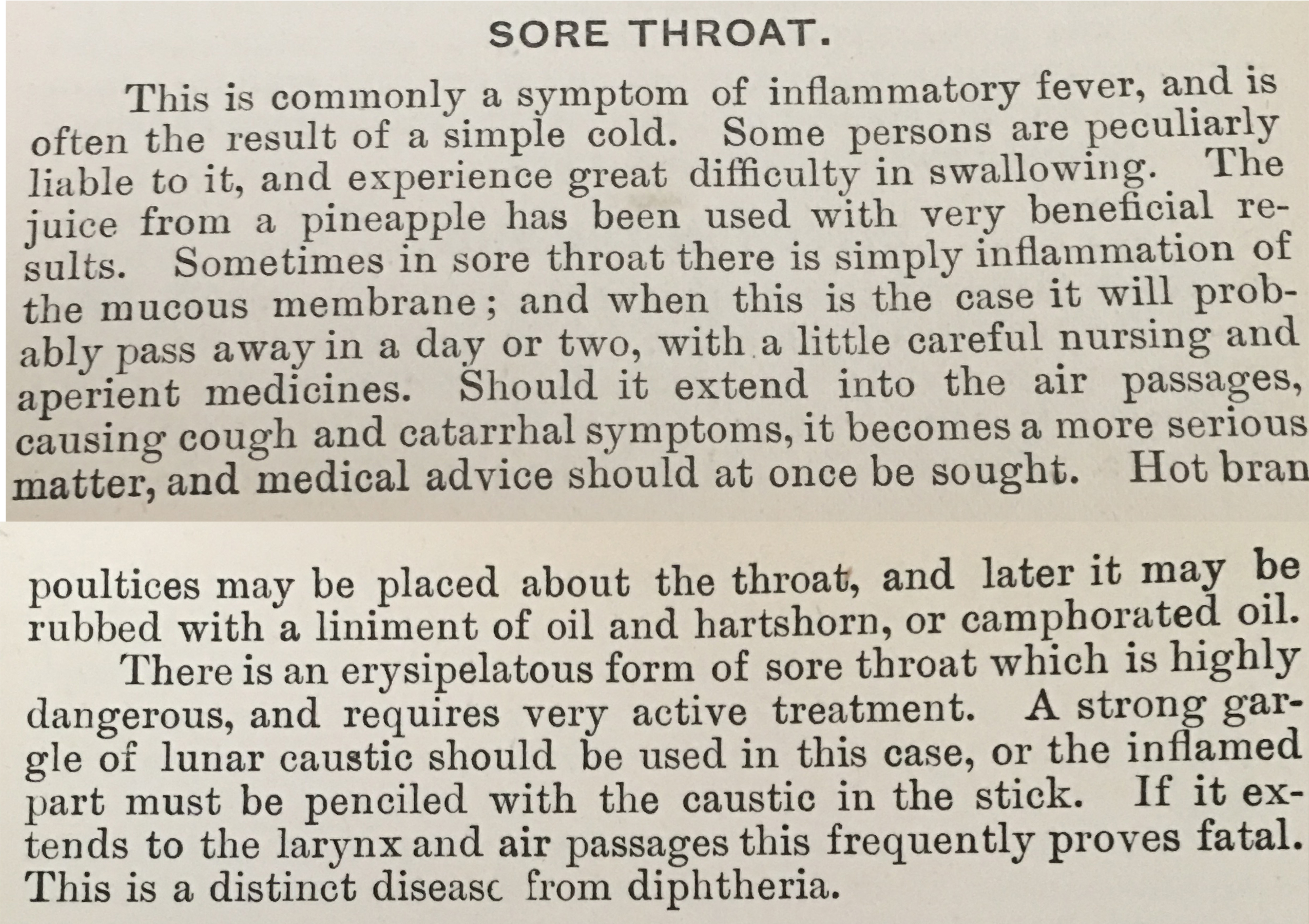
#12 – Approach to Sore Throat in Children


***LISTEN TO THE PODCAST HERE***


Epidemiology

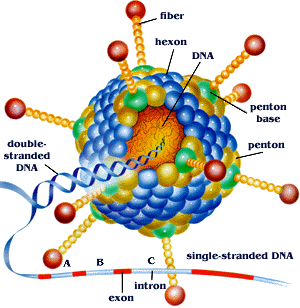
Adenojpg

Adenovirus

  • Viral (most common)
    • Adenovirus (most common)
    • Influenza
    • Enterovirus
    • Ebstein-Barr (EBV)
    • Cytomegalovirus (CMV)
  • Bacterial
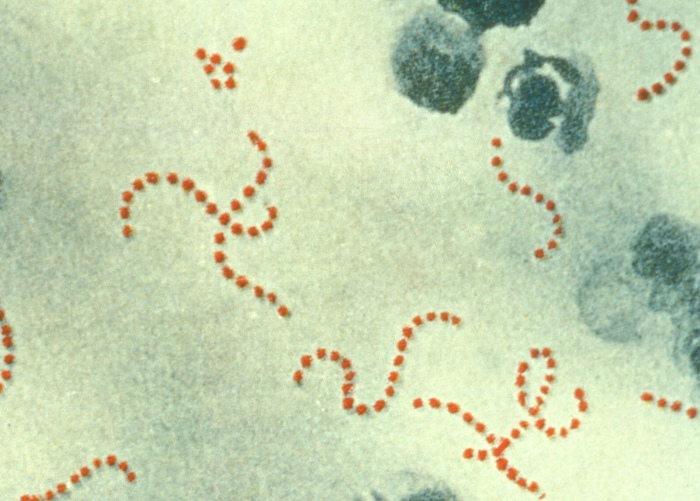
    Streptococcus_pyogenes

    Streptococcus pyogenes

    • Group A streptococcus (GAS) (most common)
      • Streptococcus pyogenes
    • Mycoplasma pneumoniae
    • Neisseria gonorrhoeae
    • Corynebacteriium diptheriae
    • Fusobacterium necrophorum (Lemierre Syndrome)

History

  • Several important historical factors that help differentiate viral from bacterial causes
  • Immunization status
  • Timing
    • Viral – slower onset
    • Bacterial – abrupt onset
  • Fever
    • Viral – afebrile to high-normal temperature
    • Bacterial – tend to be > 100.4oF (38oC)
  • Respiratory Complaints
    • Viral – cough is common
    • Bacterial – cough is often absent
    • Dyspnea – suggests serious causes (see below)
  • Fatigue
    • Can occur in both viral and bacterial, but if prolonged may suggests EBV
  • HEENT
    • Viral – Coryza, ear pain, eye redness and watery drainage
    • Bacterial – no associated complaints
    • Hoarseness
      • Viral – common
      • Bacterial – worry about serious causes (see below)
    • Drooling suggests impending airway collapse and is an emergency
  • Rash
    • Viral – macular with no texture
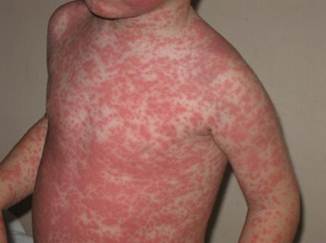
    • Bacterial – scarlatiniform with “sand-paper”texture
Scarlatiniform Rash

Scarlatiniform Rash

  • Neck pain or swelling
    • Viral – generally negative, but EBV can cause tender lymphadenopathy
    • Bacterial – lymphadenopathy common, investigate serious causes

Physical Exam

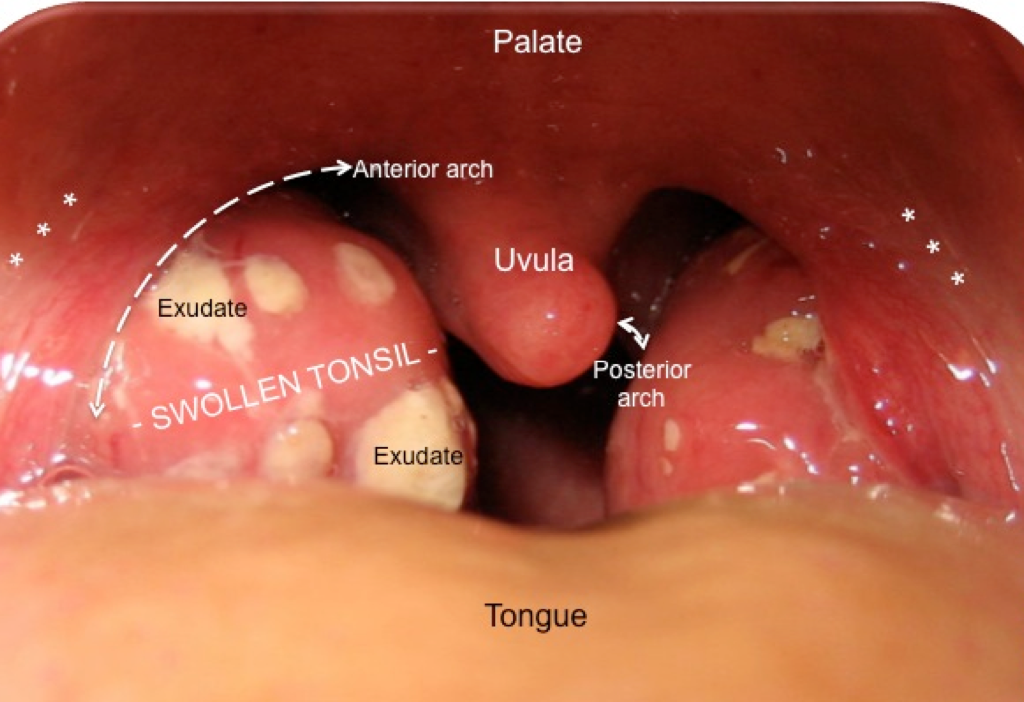
  • Oropharynx
    • Exudates
      • Viral – Generally negative, but EBV can have
      • Bacterial – hallmark of diagnosis
        • Thick, pseudomembrane suggest diphtheria

Screen Shot 2016-04-22 at 4.22.12 PM

  • Palate
    • Both viral and bacterial can causes
    • Classically associated with EBV and GAS
  • Uvula
    • Viral – may be edematous, but midline
    • Bacterial – generally doesn’t affect it
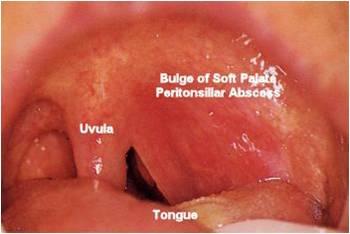
    • Deviation suggests peritonsillar abscess

tonsils_-_peritonsillar_abscess1337554476726

  • Neck
    • Viral – generally no lymphadenopathy, except with EBV
    • Bacterial – lymphadenopathy common

Pretest Considerations

  • Centor Criteria
    • Developed in 1981 to help in the clinical decision making of adults with strep throat in the emergency department
      • 4 Variables
        • Tonsillar exudates
        • Swollen, tender anterior cervical lymphadenopathy
        • Absence of cough
        • History of fever
      • Predicted the probability of being culture positive
        • 0 – 2.5%
        • 1 – 6.5%
        • 2 – 15%
        • 3 – 32%
        • 4 – 56%
  • McIsaac Score
    • Developed in 1998 and further stratified patients based on age
      • 3-14 years (highest risk)
      • 15-44 years
      • > 45 years (negative risk)
  • Modified Centor Criteria (Centor + McIsaac) (MD Calc)
    • Variables
      • Age Range
        • 3-14 years (+1)
        • 15-44 years (0)
        • ≥ 45 years (-1)
      • Exudate or swelling of tonsils (+1)
      • Tender, swollen anterior cervical lymphadenopathy (+1)
      • Temperature ≥ 38oC (+1)
      • Absence of cough (+1)
    • Probability of strep infection
      • 1 point – 5-10%
      • 2 points – 11-17%
      • 3 points – 28-35%
      • 4 or 5 points – 51-53%
    • Testing recommendations
      • No testing if 0 or 1 point
      • Optional testing if 2 points
      • Recommend testing if ≥ 3 points
      • NO RECOMMENDATIONS FOR EMPIRIC TREATMENT

Testing Options

  • CAN NOT DIFFERENTIATE ACUTE INFECTION VS CHRONIC CARRIER
    • Up to 21% of children 3-15yo are carriers

      group a streptococci

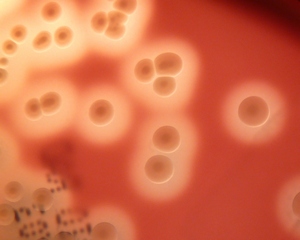
      Beta-hemolysis

  • Throat culture (gold standard)
    • Sensitivity – 90-95%
    • Testing for hemolysis on sheep blood agar
    • May use RADT if results can’t be obtained in 48hr
  • Rapid Antigen Detection Test (RADT)
    • Sensitivity – 70-90%, but specificity – >95%
    • Tests only for group A strep (S.pyogenes)
  • Decision Pathway for Testing
    • Modified Centor Criteria ≥ 4
      • RADT due to high likelihood of positive culture
      • If RADT negative, perform culture and wait 24hr results for treatment
    • Modified Centor Criteria 2-3
      • Perform throat culture and wait 24hr results for treatment
    • Modified Centor Criteria ≤ 1
      • No testing required

Special Testing Considerations

  • Suspect infectious mononucleosis:
    • Often have similar findings to bacterial infections with posterior lymphadenopathy and negative RADT and negative culture
    • Morbilliform rash after starting amoxicillin or ampicillin

Amoxicillin-Rash-Pictures

    • CBC may show lymphocytic predominance
    • Rapid heterophile antibody test (Monospot)
      • Only positive after 2 weeks of illness
    • EBV serology (IgM and IgG)

Serious Causes of Sore Throat

  • Epiglottis
    • High fever, toxic appearance, respiratory distress, tripod positioning, drooling
  • Abscess
    • Retropharyngeal
      • Fever, neck pain, trismus, < 4yr
    • Peritonsillar
  • Diptheria
    • Unimmunized, recent travels to endemic country, gray-pseudomembrane
  • Lemierre Syndrome
    • Fusobacterium sp. or mixed anaerobes, toxic appearance, recent jugular line placement

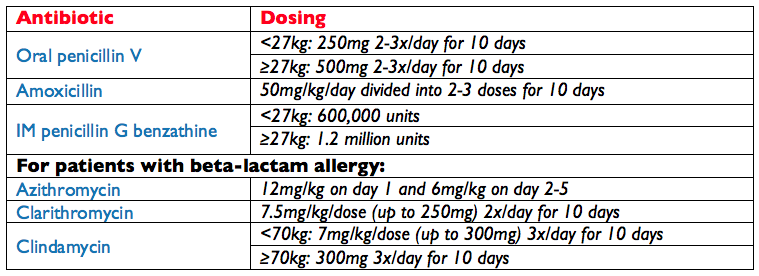
Treatment

Screen Shot 2016-04-21 at 1.01.41 PM

Cottage Physician Reference

g

The Cottage Physician. 1893.

References

  1. Gerber MA. Diagnosis and treatment of pharyngitis in children. Pediatr Clin North Am. 2005;52(3):729-47, vi.
  2. Bisno AL. Acute pharyngitis. N Engl J Med. 2001;344(3):205-11.
  3. Shulman ST, Bisno AL, Clegg HW, et al. Clinical practice guideline for the diagnosis and management of group A streptococcal pharyngitis: 2012 update by the Infectious Diseases Society of America. Clin Infect Dis. 2012;55(10):e86-102.
  4. Centor RM, Witherspoon JM, Dalton HP, Brody CE, Link K. The diagnosis of strep throat in adults in the emergency room. Med Decis Making. 1981;1(3):239-46.
  5. Mcisaac WJ, White D, Tannenbaum D, Low DE. A clinical score to reduce unnecessary antibiotic use in patients with sore throat. CMAJ. 1998;158(1):75-83.
  6. Fine AM, Nizet V, Mandl KD. Large-scale validation of the Centor and McIsaac scores to predict group A streptococcal pharyngitis. Arch Intern Med. 2012;172(11):847-52.
  7. Gerber MA. Comparison of throat cultures and rapid strep tests for diagnosis of streptococcal pharyngitis. Pediatr Infect Dis J. 1989;8(11):820-4.
  8. Shaikh N, Leonard E, Martin JM. Prevalence of streptococcal pharyngitis and streptococcal carriage in children: a meta-analysis. Pediatrics. 2010;126(3):e557-64.
  9. Rafei K, Lichenstein R. Airway infectious disease emergencies. Pediatr Clin North Am. 2006;53(2):215-42.
  10. Page NC, Bauer EM, Lieu JE. Clinical features and treatment of retropharyngeal abscess in children. Otolaryngol Head Neck Surg. 2008;138(3):300-6.
  11. Goldenberg NA, Knapp-clevenger R, Hays T, Manco-johnson MJ. Lemierre’s and Lemierre’s-like syndromes in children: survival and thromboembolic outcomes. Pediatrics. 2005;116(4):e543-8.
  12. American Academy of Pediatrics. Group A Streptococcal Infections. In: Red Book: 2015 Report of the Committee on Infectious Diseases, 30th, Kimberlin DW, Brady MT, Jackson MA, Long SS (Eds), American Academy of Pediatrics, Elk Grove Village, IL 2015. p.732.

Review of Pediatric Developmental Milestones

With finals week closely approaching, this weekend snuck up on me quick and I was not able to get a good case together for the blog….my bad.

raw

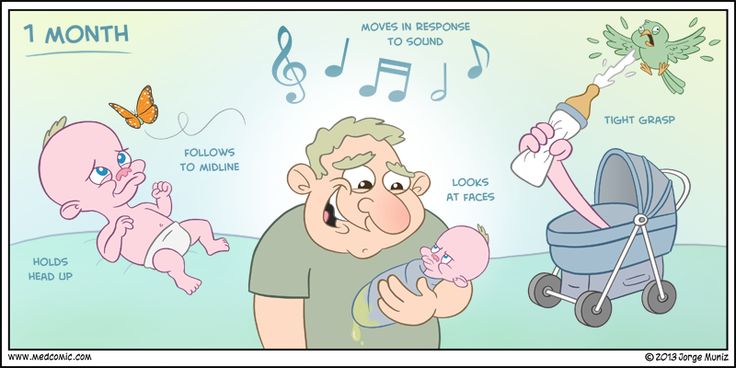
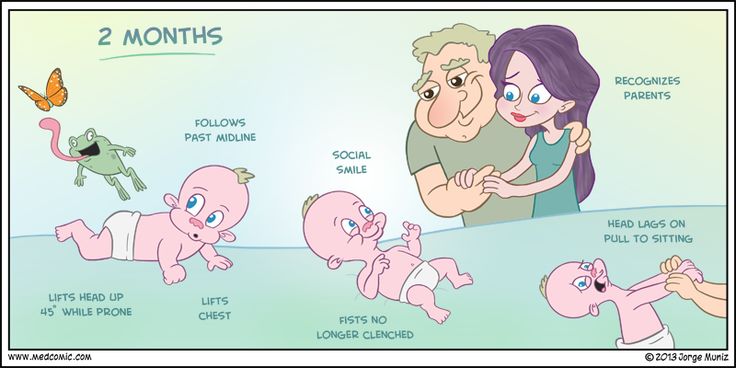
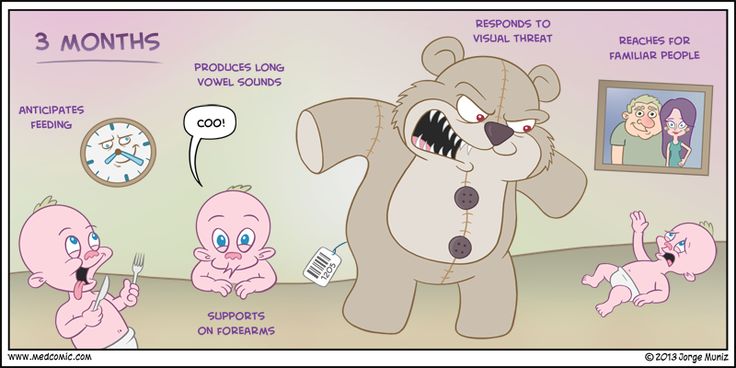
But, FEAR NOT!!!!  What I thought I would do for the last post of pediatric month is review the pediatric developmental milestones by way of infographics.

tumblr_lmk7uaEd3W1qkwc9zo1_500

If you haven’t already, you need to be following Jorge Muniz of Medcomic on Twitter and buy his book….it is awesome and he is a fellow PA.  I try to incorporate as many of his images as possible when I teach.

MIlestones - 1 month

Milestones - 2 month

Milestones - 3 months

Milestones - 4 months

Milestones - 6 months

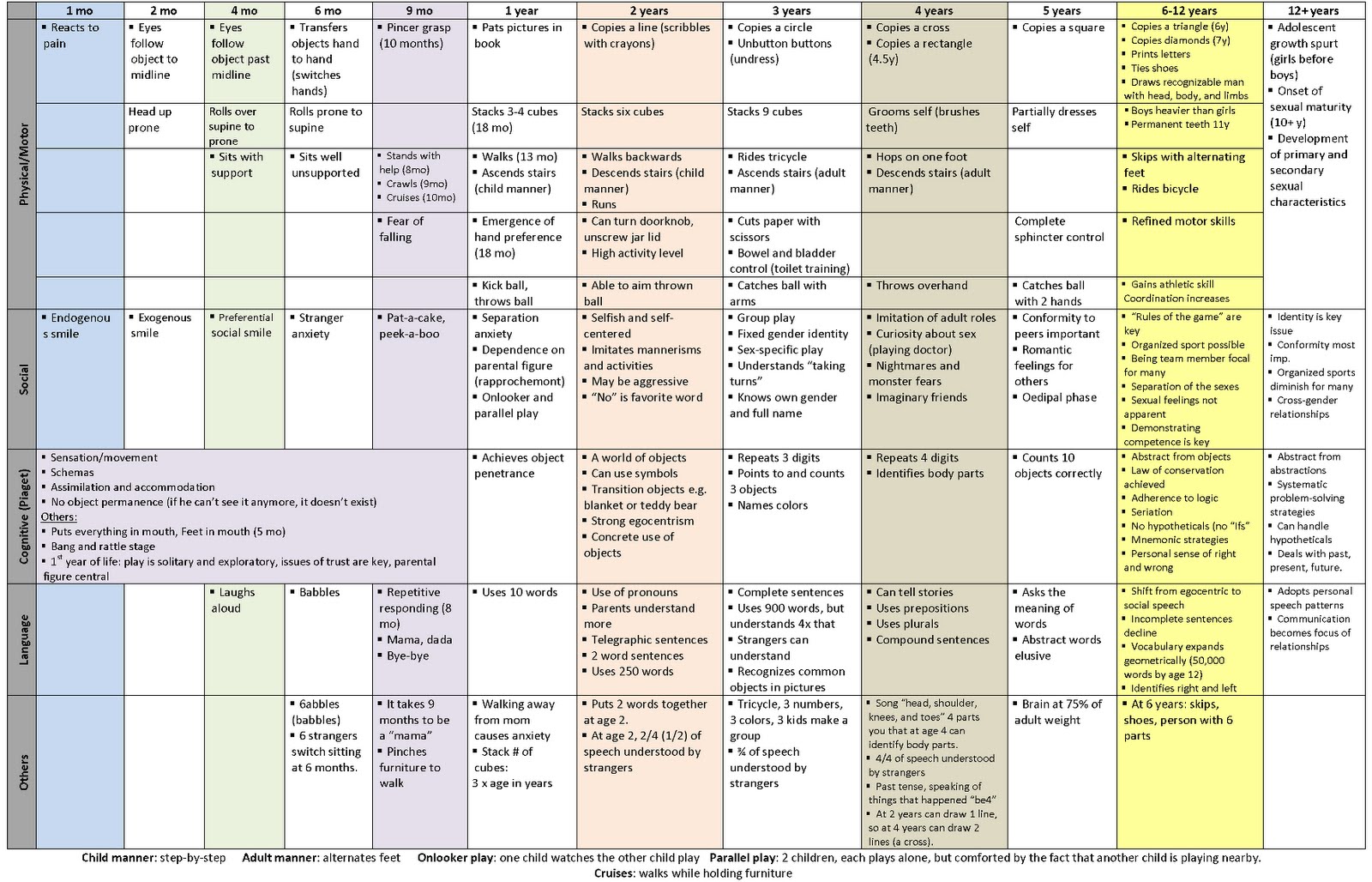
The last graphic is the THE BEST single graphic of developmental milestones (from 1 month to 12 years) I have ever found.  Great resource for your pediatric rotation.

developmental milestones

Answer to Pediatric Question


2-weeks, 6-months, and 12-months are the milestone markers for birth weight measurements.  A child should:

  • Regain their birth weight by 2-weeks

  • Double their birth weight by 6-months

  • Triple their birth weight by 12-months


giphy


Reference

McGahren ED, Wilson WG.  Pediatric Recall.  4th ed. Baltimore, MD.  LWW. 2010.

#11 – Congenital Cyanotic Heart Diseases


***LISTEN TO THE PODCAST HERE***


Epidemiology

  • Comprise 15% of all CHD and 33% of potentially fatal CHD

Physiology

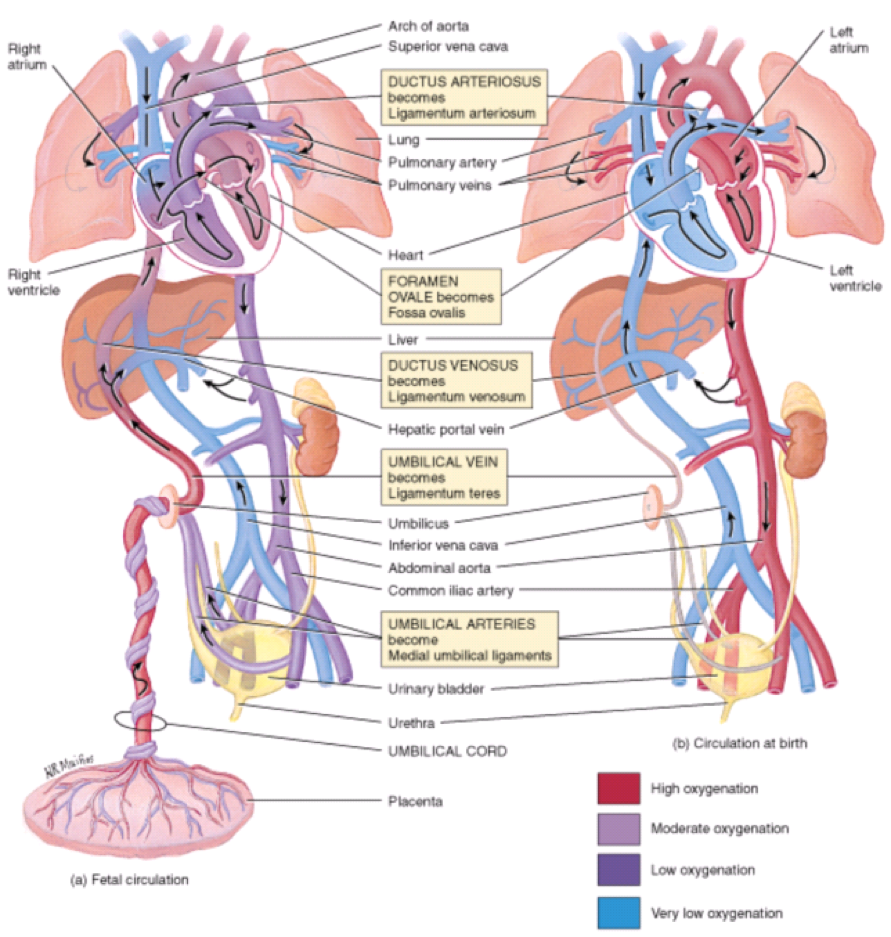
The cardiovascular system in-utero is a complicated machine that is designed to bypass the lungs and provide oxygenated blood from the placenta.  There are two main structures that help maintain oxygenation when the fetus’ lungs are not used:

  • Ductus arteriosus
    • Connects the pulmonary artery to the descending aorta
    • Prostaglandin E1 and E2 are produced by the placenta and keep this open
    • Absolutely vital to remain patent in several of the cyanotic diseases to provide oxygenated blood
  • Foramen ovale
    • Communication between right and left atrium
    • Once the infant begins spontaneously breathing, increases in pulmonary blood flow and left atrial pressures mechanically seals the foramen ovale
Fetal Circulation

Fetal circulation (a) in-utero and (b) during 1st 7 days of life


Khan Academy Tutorials


Cardiac Causes of Cyanosis

  • 3 Main Physiologic Categories
    • Decreased pulmonary blood flow
      • Tetralogy of Fallot, tricuspid atresia
    • Increased pulmonary blood flow
      • Transposition of great vessels, truncus arteriosis, total anomalous pulmonary venous connection
    • Severe heart failure
      • Hypoplastic left heart, coarctation of the aorta

Timing of Presentation

  • Within 48 hours of birth
    • Transposition of great vessels, tricuspid atresia
  • With 7 days of birth
    • Truncus arteriosus, total anomalous pulmonary venous connection, Tetralogy of Fallot

Screening

  • Hyperoxia Test
    • 100% oxygen via hood for 10 minutes
    • Radial artery (preductal) PaO2 is measured
      • PaO2 > 150 mmHg suggests pulmonary disease
  • Pulse Oximetry Screening
    • Measuring the difference in SpO2 between preductal (right hand) and postductal (either foot) flow
    • A positive test warranting further investigation includes any of the following:
      • SpO2 < 90% in either extremity
      • SpO2 90-94% in both locations on three measurements one hour apart
      • SpO2 difference > 3% on three measurements one hour apart


Work-Up

  • Physical exam findings
    • Murmur
    • Second heart sound (normally split in inspiration)
  • Chest radiograph
    • Differentiates pulmonary from cardiac causes of cyanosis
    • Heart size often increased with some classic shapes
  • Electrocardiogram
    • Normal neonatal EKG has RAD
    • Hypertrophy and enlargement specific to defects
  • All cyanotic defects are diagnosed by echocardiogram and/or cardiac angiography


Tetralogy of Fallot


  • Most common cyanotic congenital heart defect
  • 1st described in 1888 by Etienne-Louis Arthur Fallot
  • 4 key features
    • Pulmonary stenosis
    • Overriding aorta
    • VSD
    • Right ventricular hypertrophy
  • Signs and Symptoms
    • Cyanosis can be seen at birth, but usually presents by 4 months
    • Palpable RV lift
    • Single, aortic S2
    • Systolic murmur at left sternal border in 3rd intercostal space
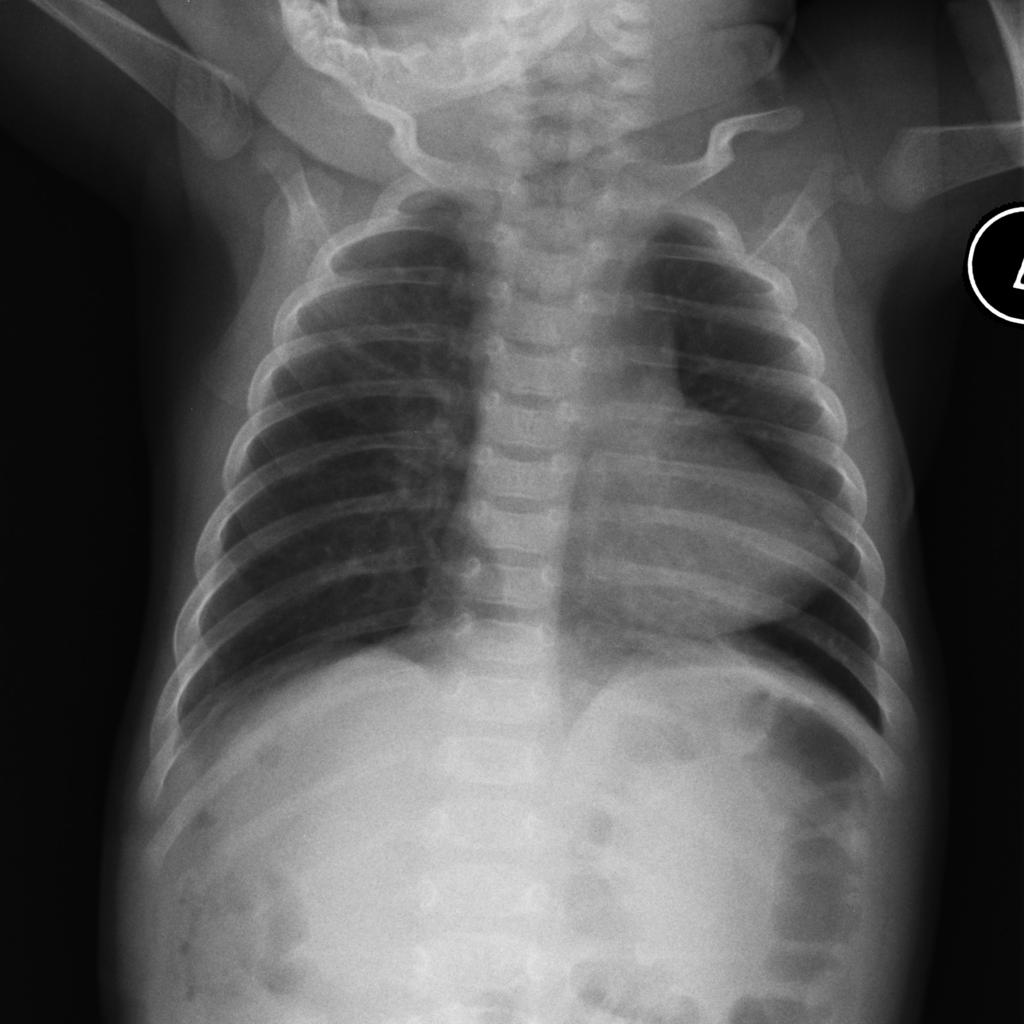
  • Chest radiograph may show “boot shaped heart” and right aortic knob


tetralogy-of-fallot-1

“boot shaped heart” Case courtesy of A.Prof Frank Gaillard, Radiopaedia.org. From the case rID: 8049

  • “Tet spells”
    • Near complete right ventricular outflow obstruction resulting in:
      • Sudden onset or worsening of cyanosis
      • Dyspnea
      • Alterations in consciousness or irritability
      • Decrease or disappearance of murmur
    • Causes
      • Agitation in infants
      • Vigorous exercise in older children
        • Often self correct by squatting down and bringing knees to chest in increases pulmonary blood flow
  • Surgical repair is performed anytime from birth to 2 years depending on size of pulmonary arteries

Screen Shot 2016-04-07 at 4.58.32 PM


D-Transposition of Great Vessels


  • 2nd most common cyanotic defect
  • Embryologic ventriculoarterial discordance (2 parallel circuits)
    • Aorta is anterior and comes off right ventricle
    • Pulmonary artery comes off left ventricle
  • VSD are common and ASD/PFO is critical for survival to allow mixing
  • Signs and Symptoms
    • Generally present within 1st month of life
    • Tachypnic, but comfortable without signs of respiratory distress
    • Pansystolic murmur of VSD
  • Chest radiograph may show classic “egg of a string”
"egg on a string sign" Case courtesy of Dr David Clopton, Radiopaedia.org. From the case rID: 35346

“egg on a string sign” Case courtesy of Dr David Clopton, Radiopaedia.org. From the case rID: 35346


  • EKG is non-diagnostic
  • Surgical repair is performed at 7 days
    • Arterial Switch Operation
      • 95% survival

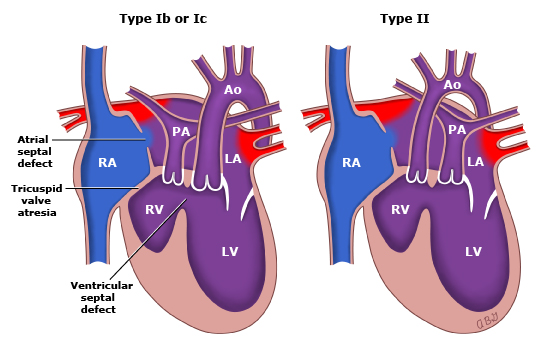
Tricuspid atresia


Tricupid_valve_atresia

  • 3rd most common cyanotic defect
  • Complete absence of tricuspid valve and no direct communication between right atrium and ventricle
    • ASD and PFO allow right-to-left flow
    • Right ventricular hypoplasia depending on VSD size
  • 3 types
    • Type I
      • Ia – normal great vessel anatomy with no VSD
        • PDA is sole source of pulmonary blood flow
      • Ib and Ic– normal great vessel anatomy with a VSD
    • Type II
      • Transposition of great vessels with VSD
  • Signs and Symptoms
    • Prenatal
      • Can be diagnosed by fetal ultrasound between 18 and 22 weeks
    • Postnatal
      • Cyanosis usually in first 24 hours, but may be as late as 1 month
      • Single S2 heart sound
      • Holosystolic murmur over left sternal border with diastolic rumble
  • Chest radiograph may show smooth convexity of right heart with cardiomegaly
  • Electrocardiogram may show tall P waves, LAD, LVH, and RAE
  • Surgical repair performed in 3 stages
    • 1st stage performed immediately
    • 2nd stage at 3-6 months
    • 3rd stage at 2-3 years
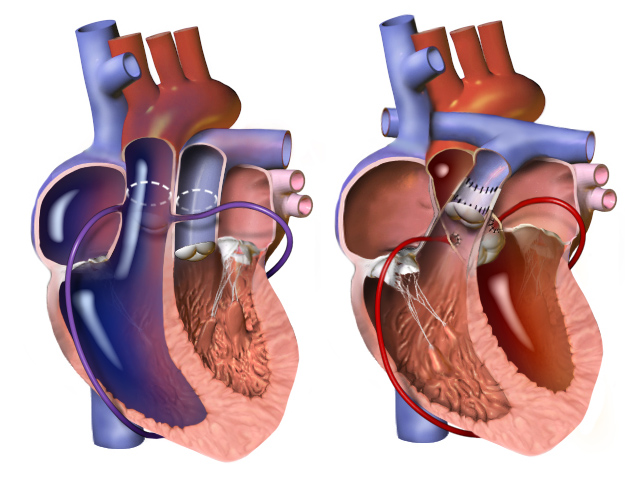
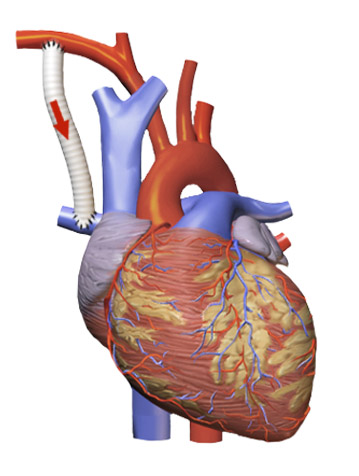
      • Fontan procedure
        • Direct anastomosis of pulmonary arteries to right atrium
2000px-Fontan_procedure.svg

Fontan Procedure for tricuspid atresia https://en.wikipedia.org/wiki/Fontan_procedure


Truncus Arteriosus


  • Embryological failure of the division of the common truncus arteriosus into the aorta and pulmonary artery
    • Single common arterial trunk positioned above the ventricular septum that gives rise to the systemic, pulmonary, and coronary circulation
    • There is a single semilunar valve
    • VSD is always present
  • 2 main classification systems (based on pulmonary circulation anatomy)
    • Collet and Edwards (1st and most simple)
    • Modified Van Praagh (mainly used by pediatric cardiac surgeons)
  • Signs and Symptoms
    • Mild to moderate cyanosis
    • Heart failure is common
    • Hyperactive precordium with systolic thrill at left sternal border
    • Early systolic ejection click
    • Accentuated, single S2
    • Diastolic flow murmur over apex
  • Chest radiography may show cardiomegaly with increased pulmonary markings and right sided aortic arch
  • Electrocardiography is non-diagnostic
  • Surgical repair must be performed in neonatal period due to increased risk of pulmonary vascular disease and progressive, irreversible heart failure
    • 3 main steps
      • Pulmonary arteries are mobilized and reattached via pulmonary artery conduit to the right ventricle
      • Opening and repair of the truncus
      • Closure of VSD

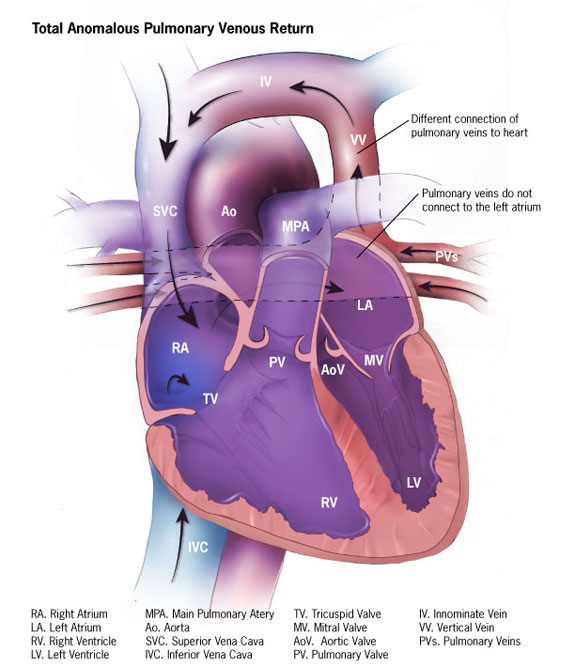
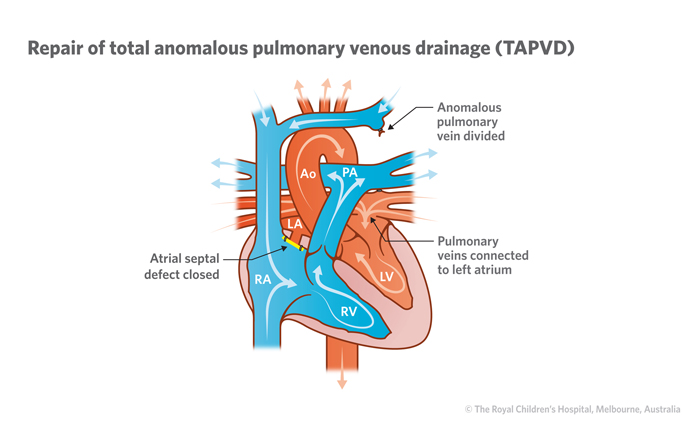
Total Anomalous Pulmonary Venous Connection


  • All four pulmonary veins draining into a confluence behind the left atrium
    • No connection into the left atrium and drains into systemic circulation
  • 4 obstructive types
    • Supracardiac (most common)
      • Drains into the right SVC, left SVC, or innominate vein
    • Intracardiac
      • Drains into coronary sinus
    • Infracardiac
      • Drains into portal venous system
    • Mixed
  • Entire venous drainage (systemic and pulmonary) goes into right atrium
    • Must have a ASD or PFO
  • Signs and Symptoms
    • Unobstructive
      • Mild cyanosis, tachypnea
      • RV heave
      • Fixed split S2
      • Systolic ejection murmur with diastolic rumble
    • Obstructive
      • Severe cyanosis and respiratory distress
      • Striking RV impulse
      • Accentuated, single S2
      • Murmur is often absent
  • Chest radiography
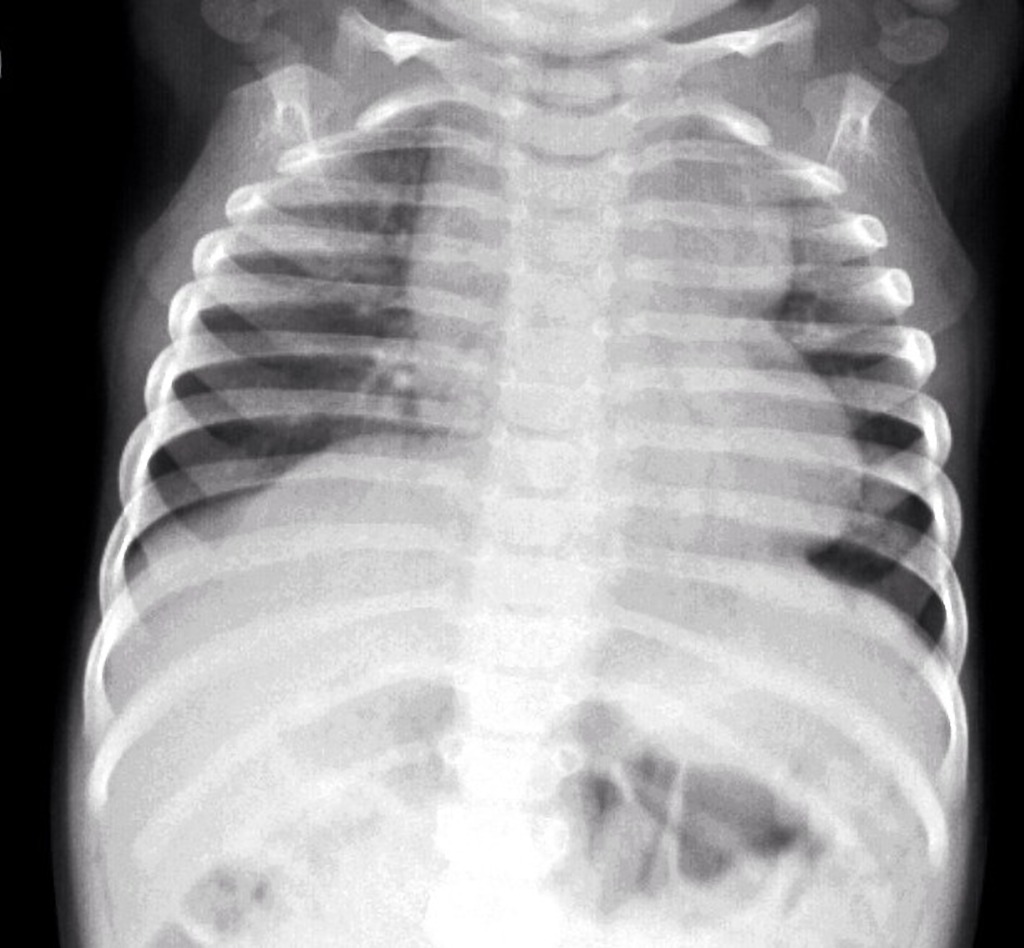
    • Unobstructive – cardiomegaly with increased pulmonary markings, “snowman sign”
    • Obstructive – small heart
total-anomalous-pulmonary-venous-return-tapvr

“snowman sign” Case courtesy of Dr Aditya Shetty, Radiopaedia.org. From the case rID: 27800

  • Electrocardiography may show RAD, RAE, RVH in both types
  • Surgical repair depends on type and timing depends on degree of obstruction

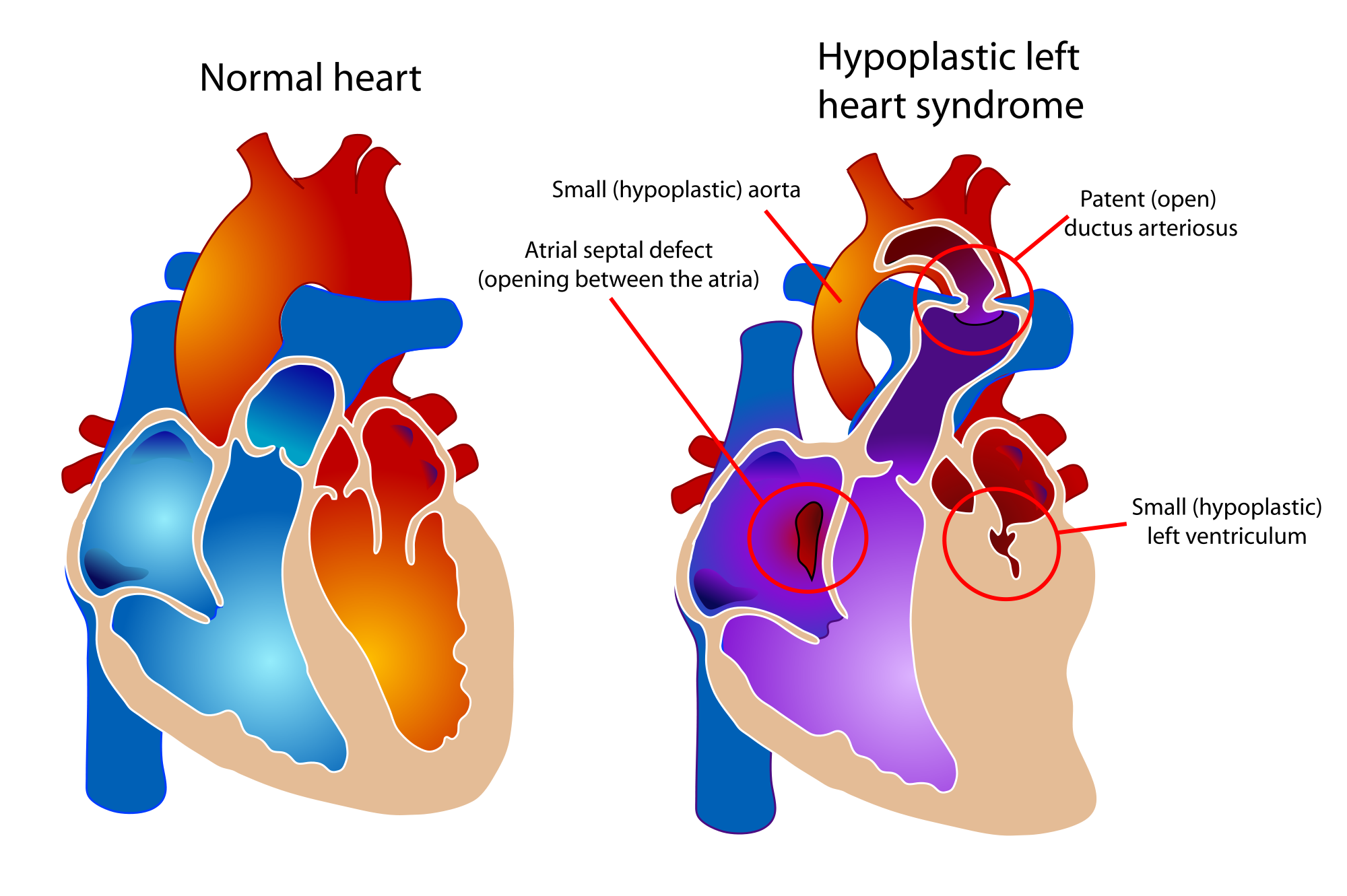
Hypoplastic Left Heart Syndrome


  • Spectrum of cardiac malformations characterized by underdevelopment of the left ventricle with atresia, stenosis, or hypoplasia of aortic and/or mitral valve, and hypoplasia of ascending aorta and arch
  • Survival is dependent on PDA and ASD
  • Signs and Symptoms
    • Prenatal
      • Can be diagnosed by fetal ultrasound between 18-24 weeks
    • Postnatal
      • “Honeymoon” period while PDA is open and ASD is unrestricted
        • May be discharged and present after 3-5 days
      • If ASD is restricted –> rapid decompensation as PDA closes
      • Single S2 heart sound
      • No murmur
  • Chest radiograph may show small cardiac silhouette
  • Electrocardiogram shows RAD, RAE, RVH
  • Surgical repair performed in 3 stages
    • 1st stage performed immediately
      • Norwood procedure (3 parts)
        • Creation of neoaorta
        • Blalock-Taussig shunt
        • Resection of atrial septum
Norwood Procedure

Norwood Procedure

  • 2nd stage performed at 3-6 months
    • Bidirectional Glenn procedure
Stage_II_repair_HLHS

Bidirectional Glenn Procedure

  • 3rd stage performed at 2-3 years
    • Fontan procedure

Fontan_stageIII_repair_HLHS

  • Hybrid approach and heart transplant are emerging treatment options

PAINE Pearls to Remember

6 “Ts” of Congenital Cyanotic Heart Defects

Tetralogy of Fallot

Transposition of Great Vessels

Tricuspid Atresia

Truncus Arteriosus

Total Anomalous Pulmonary Venous Connection

“Tiny” (Hypoplastic) Left Heart Syndrome

Numbers of Congenital Cyanotic Heart Defects

1 trunk (truncus arteriosus)

2 great vessels (transposition)

3 “tri” (tricuspid atresia)

4 “tetra” (Tetralogy of Fallot)

5 words (Total Anomalous Pulmonary Venous Connection)

VI – the left “I” is half as big as the right “V” (hypoplastic left heart)


Cottage Physician Reference

Nothing directly related to congenital heart defects, but I did find this quote interesting.  It says:

“ The general rule as to tying the cord , with the exceptions above noticed, is, that it is the safest to delay the tying of it, until it has entirely ceased to pulsate”

The OB realm is still debating delayed cord clamping…It looks like everything in medicine always comes full circle

The OB realm is still debating delayed cord clamping…It looks like everything in medicine always comes full circle


References

  1. Vetter VL, Covington TM, Dugan NP, et al. Cardiovascular deaths in children: general overview from the National Center for the Review and Prevention of Child Deaths. Am Heart J. 2015;169(3):426-437.e23.
  2. Wren C, Reinhardt Z, Khawaja K. Twenty-year trends in diagnosis of life-threatening neonatal cardiovascular malformations. Arch Dis Child Fetal Neonatal Ed. 2008;93(1):F33-5.
  3. Rudolph AM. Congenital cardiovascular malformations and the fetal circulation. Arch Dis Child Fetal Neonatal Ed. 2010;95(2):F132-6.
  4. Kemper AR, Mahle WT, Martin GR, et al. Strategies for implementing screening for critical congenital heart disease. Pediatrics. 2011;128(5):e1259-67.
  5. Marino BS, Bird GL, Wernovsky G. Diagnosis and management of the newborn with suspected congenital heart disease. Clin Perinatol. 2001;28(1):91-136.
  6. Darst JR, Collins KK, Miyamoto SD. Cardiovascular Diseases. In: Hay WW, Jr., Levin MJ, Deterding RR, Abzug MJ. eds. CURRENT Diagnosis & Treatment: Pediatrics, 22e. New York, NY: McGraw-Hill; 2013.
  7. Rao PS. Tricuspid Atresia. Curr Treat Options Cardiovasc Med. 2000;2(6):507-520.
  8. Tongsong T, Sittiwangkul R, Wanapirak C, Chanprapaph P. Prenatal diagnosis of isolated tricuspid valve atresia: report of 4 cases and review of the literature. J Ultrasound Med. 2004;23(7):945-50.
  9. Tchervenkov CI, Jacobs ML, Tahta SA. Congenital Heart Surgery Nomenclature and Database Project: hypoplastic left heart syndrome. Ann Thorac Surg. 2000;69(4 Suppl):S170-9.
  10. Warnes CA. Transposition of the great arteries. Circulation. 2006;114(24):2699-709.
  11. Lalezari S, Bruggemans EF, Blom NA, Hazekamp MG. Thirty-year experience with the arterial switch operation. Ann Thorac Surg. 2011;92(3):973-9.
  12. Seale AN, Uemura H, Webber SA, et al. Total anomalous pulmonary venous connection: morphology and outcome from an international population-based study. Circulation. 2010;122(25):2718-26.
  13. Hoffman JI, Kaplan S. The incidence of congenital heart disease. J Am Coll Cardiol. 2002;39(12):1890-900.
  14. Rodefeld MD, Hanley FL. Neonatal truncus arteriosus repair: surgical techniques and clinical management. Semin Thorac Cardiovasc Surg Pediatr Card Surg Annu. 2002;5:212-7.